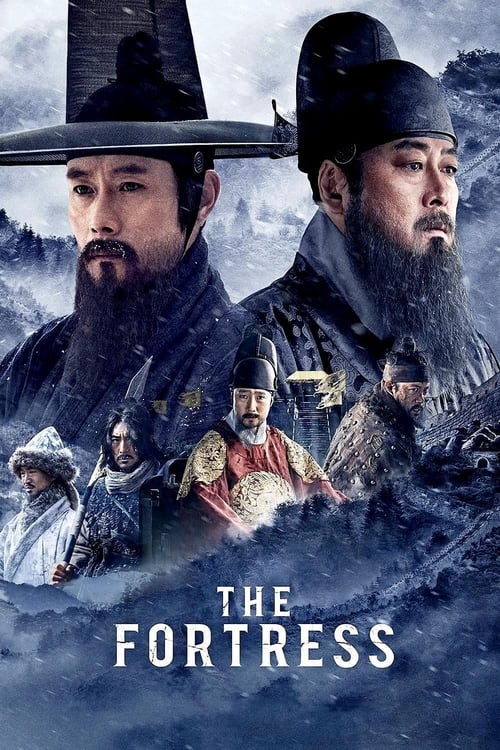
The Fortress
2017
No user ratings available yet
Representation score: 5.2 out of 10
Representation Score
Fair
2011
PG-13Director
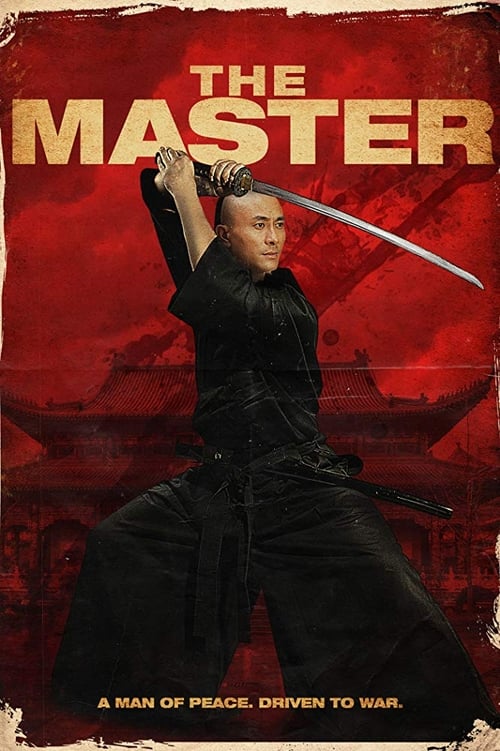
Zhou Ke
Runtime
0 minutes
Average Rating
No ratings yetNew Showbiz Analysis
The film succeeds in providing a non-Western perspective by focusing on the internal struggles of the Chinese people. By depicting the Qing Dynasty as a corrupt entity, the film prioritizes ethnic ability to act and resistance against systemic oppression. However, the film remains limited by its traditional narrative structure. The focus on a male protagonist and the absence of LGBTQ+ identities or visible disability representation prevent a more inclusive score. Ultimately, the film serves as a critique of historical institutional power, offering a strong cultural narrative that compensates for its lack of gender and LGBTQ+ diversity.
Category Breakdown
The film does not include any explicit mention of LGBTQ+ characters or non-cisgender identities. The story focuses on martial arts and political resistance within a 19th-century Chinese setting.
The narrative centers on a male protagonist navigating patriarchal structures. There is no clear indication of women occupying positions of high ability to act or subverting traditional gender hierarchies.
The film highlights high ethnic specificity by centering a non-Western narrative. It prioritizes the ability to act of Chinese people resisting both the Qing Dynasty and foreign invaders.
The narrative portrays the Qing Dynasty as a corrupt and oppressive force, disrupting traditional institutional stability. It emphasizes community survival over state loyalty.
There is no mention of characters with visible or invisible disabilities. No information is available to assess how disability is portrayed within the story.
Present on Screen
Limited or Absent
Official Synopsis
In 19th-century China, during the corrupt Qing Dynasty, the people are suffering at the hands of greedy landlords, crooked officials, and unwelcome invaders. To bring his people together, Chen Xiang opens a martial arts school combining teaching techniques from both the North and the South. When Chen refuses to join the armies of the Qing Prince, the prince seeks revenge on Chen's school and family. To survive, Chen must rise up and fight to free his students and protect his home.
2017
2015
2018

2013
2011
2012

2008
2022
No reviews yet. Be the first to share your thoughts on this movie!
Use the rating form above to leave a star rating and optional review.