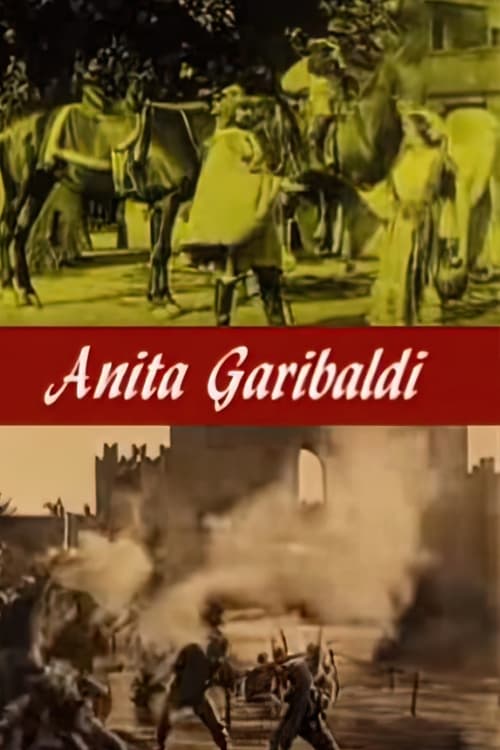
Anita Garibaldi
1910
No user ratings available yet
Representation score: 3.9 out of 10
Representation Score
Limited
1905
Director
Filoteo Alberini
Runtime
9 minutes
Average Rating
No ratings yetNew Showbiz Analysis
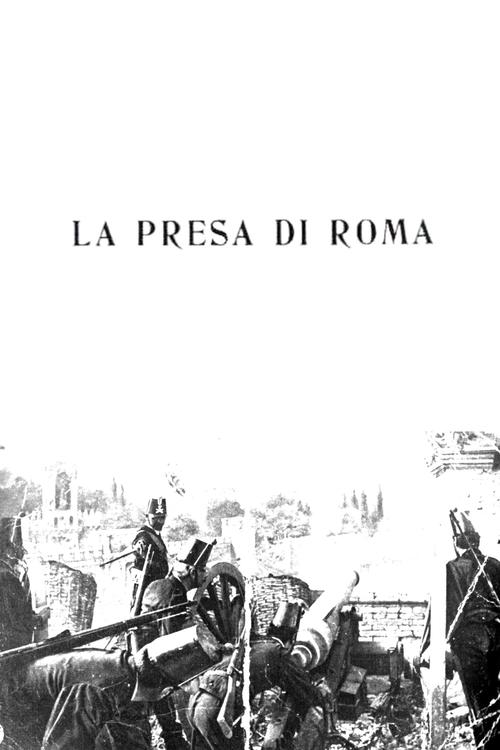
Filoteo Alberini’s historical reconstruction centers on the military and political aspects of Italian unification. The film celebrates national identity and the shift from religious to secular governance. The narrative focuses on the breach of Porta Pia, emphasizing martial movements and state formation. This focus excludes diverse social identities in favor of a singular nationalist perspective. Overall, the film lacks complexity in representing diverse identities. It upholds traditional hierarchies and ethnic homogeneity common in 1905 cinema.
Category Breakdown
The film follows traditional structures typical of early 20th-century epics. It does not include any non-traditional sexual identities or critiques of conventional sexualities.
The story emphasizes masculine leadership and military strength. Women are shown only in domestic or symbolic roles, without the power to challenge patriarchal authority.
The cast and focus are uniformly Italian. The film lacks ethnic variety and broad representation of different backgrounds.
The story explores the tension between the secular state and the Catholic Church. It critiques the Church's political influence through a nationalist viewpoint.
There is no evidence of characters with physical or neurodivergent disabilities in the film.
Present on Screen
Limited or Absent
Official Synopsis
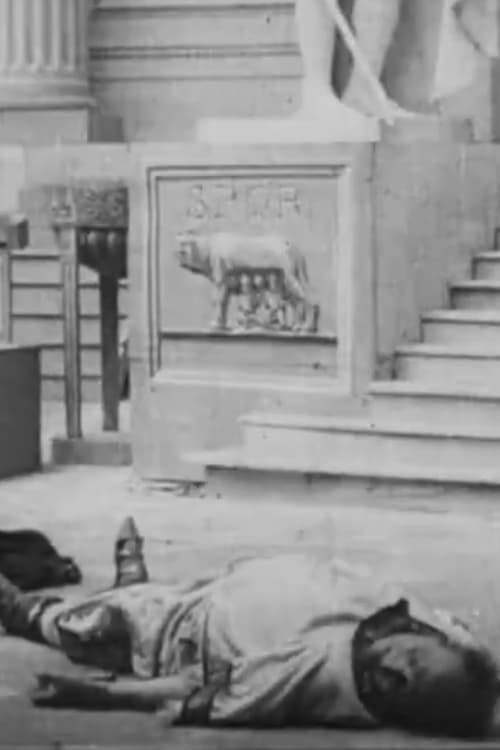
The film recreates the final events leading to Italian unification in September 1870.
1910
1914
2014

1957

1918
1909
1913
1963
No reviews yet. Be the first to share your thoughts on this movie!
Use the rating form above to leave a star rating and optional review.