
Ensemble
2010
No user ratings available yet
Representation score: 6.0 out of 10
Representation Score
Good
2025
Director
Shen Ao
Runtime
137 minutes
Average Rating
No ratings yetNew Showbiz Analysis
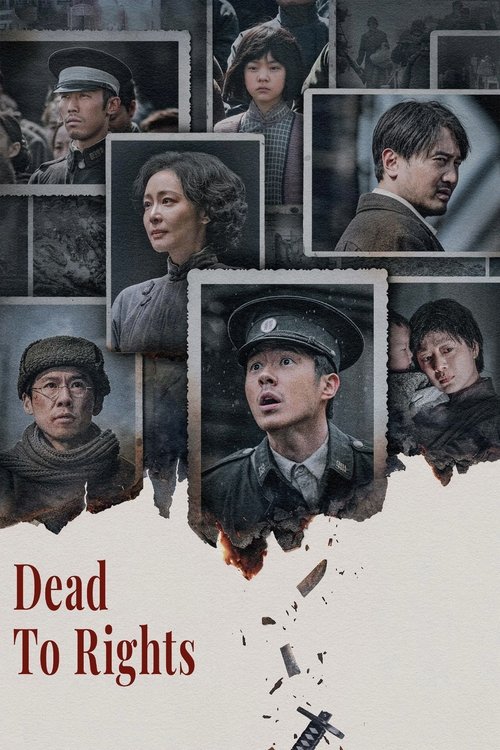
Dead to Rights is a somber historical drama that uses photography to document the systemic violence of the Nanjing Massacre. It succeeds by centering civilian ability to act and the subversive use of professional tools to challenge imperial propaganda. The film excels in its critique of systemic oppression and its refusal to sanitize the history of the Nanjing Massacre. By focusing on specialized civilian roles, it grants significant influence to those typically underrepresented in grand military narratives. While the film adheres to traditional gender and romantic structures, its commitment to documenting the complexities of survival and institutionalized violence provides a nuanced and impactful cinematic experience.
Category Breakdown
The film does not explicitly depict LGBTQ+ identities. The central romantic tension involves an affair between Wang Guanghai and Lin Yuxiu, which stays within conventional heterosexual frameworks.
Lin Yuxiu provides meaningful representation as a performer who navigates high-risk environments with significant influence. However, the plot remains predominantly male-driven, with key roles played by the postman, interpreter, and photographer.
The film offers a strong portrayal of Chinese civilian life under colonial occupation. It includes Japanese military figures, creating necessary cultural conflict against the suffering of the Chinese population.
The narrative critiques imperialist structures and wartime corruption. It explores complex morality through a 'quisling' interpreter, challenging traditional views of loyalty and historical responsibility.
There is no documented evidence of characters with physical or neurodivergent disabilities in this historical drama.
Present on Screen
Limited or Absent
Official Synopsis
During the 1937 Nanjing Massacre, a postman poses as a photo developer, helping Japanese forces while secretly sheltering Chinese refugees. He later risks his life evacuating them and revealing evidence of the atrocities.
2010

2009

2008
2009

2002

2024

2017

2021
No reviews yet. Be the first to share your thoughts on this movie!
Use the rating form above to leave a star rating and optional review.