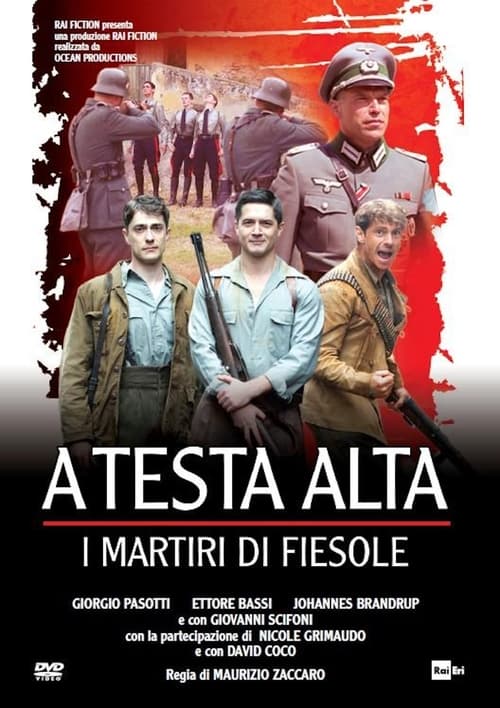
Il leone di vetro
2014
No user ratings available yet
Representation score: 6.9 out of 10
Representation Score
Limited
2014
Director
Maurizio Zaccaro
Runtime
98 minutes
Average Rating
No ratings yetNew Showbiz Analysis
Maurizio Zaccaro’s historical drama prioritizes national memory and institutional ethics over contemporary diversity. The film centers on the moral dilemmas faced by the Carabinieri during the German occupation of Italy. The narrative structure relies on classical themes of sacrifice and professional codes of conduct, exploring how protagonists choose surrender to save civilian lives. Ultimately, the film functions as a traditional historical piece, focusing on the localized struggles of 1944 rather than diverse social hierarchies.
Category Breakdown
The film focuses on the historical conflict between German occupiers and the Italian Resistance. There is no mention of LGBTQ+ identities or exploration of intimacy.
The story is mainly driven by male figures, such as Carabinieri and partisans. Ten civilian hostages are mentioned, but their specific gender roles are not specified.
Set in 1944 Italy, the film reflects the ethnic realities of that time. There is no indication of a multi-ethnic or non-European cast.
The story emphasizes institutional honor and the preservation of life through structured sacrifice. It aligns with traditional values of duty and civic responsibility.
The provided material contains no information regarding the portrayal of physical or neurodivergent disabilities.
Present on Screen
Limited or Absent
Official Synopsis
In July 1944, the Germans discover a link between a small country barracks of the Arma dei Carabinieri Reali and the Resistance and one of the carabinieri, Sebastiano Pandolfo, and a young partisan are shot. Three other carabinieri (Alberto La Rocca, Vittorio Marandola, and Fulvio Sbarretti) manage to escape and try to join the Resistance, but the Germans take ten civilians hostage and threaten to kill them if the carabinieri do not surrender. Upon hearing the news, just before they reach the partisans, the three carabinieri choose to surrender to honor the role of the carabinieri as guarantors of legality and justice, thus saving the lives of the ten hostages.
2014

1975

2021

1944

2014

2009
1905

2015
No reviews yet. Be the first to share your thoughts on this movie!
Use the rating form above to leave a star rating and optional review.