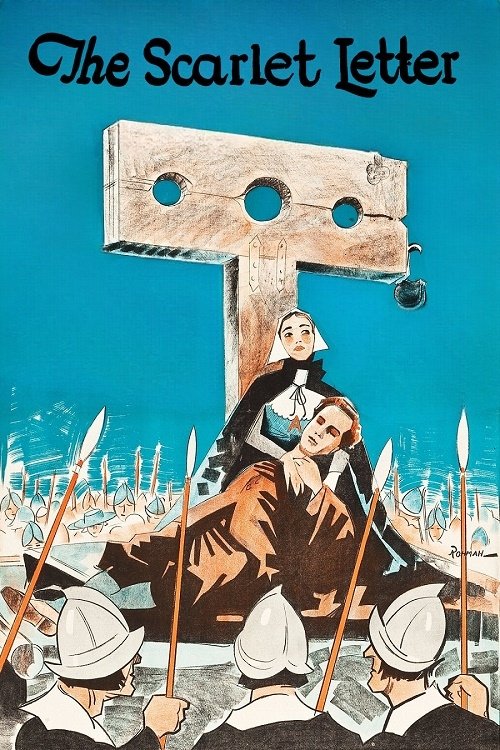
The Scarlet Letter
1927
No user ratings available yet
Representation score: 3.1 out of 10
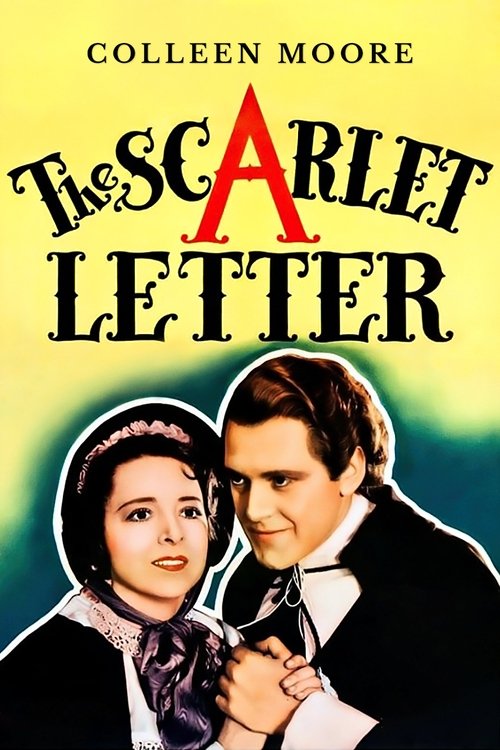
Representation Score
Limited
1934
GDirector
Robert G. Vignola
Runtime
69 minutes
Average Rating
No ratings yetNew Showbiz Analysis
The film is a character study that finds strength in its subversion of traditional power dynamics. While it lacks racial and LGBTQ+ diversity, it succeeds in giving the female protagonist significant emotional and moral weight. By portraying the Puritan ministry as a source of hypocrisy, the film critiques the rigid structures of religious dogma. This adds a layer of intellectual depth that elevates the drama beyond a simple period piece. Ultimately, the production is defined by the tension between individual conscience and institutional oppression, centered through a strong, non-passive female lead.
Category Breakdown
The film does not depict any LGBTQ+ identities or same-sex intimacy. It focuses solely on the central romantic conflict and its societal consequences.
Hester Prynne emerges as a strong and resilient protagonist who plays a significant role in driving the story, despite facing systemic ostracization. Her intellectual strength contrasts sharply with the moral fragility of the male characters.
The cast is primarily white and homogeneous, reflecting the 17th-century setting and the 1934 production standards. There is no evidence of diverse ethnic identities or color-blind casting.
The film offers a nuanced critique of Puritan religious authority and state law. It portrays the community's punitive measures as oppressive, emphasizing the complexity of the sinner over institutional hypocrisy.
There are no notable depictions of physical or neurodivergent disabilities. Characters with disabilities are not used as central narrative devices.
Present on Screen
Limited or Absent
Official Synopsis
In the seventeenth century, in Massachusetts, a young woman is forced to wear a scarlet "A" on her dress for bearing a child out of wedlock.
1927

1929
1973

1920
1937
1943

1974
1938
No reviews yet. Be the first to share your thoughts on this movie!
Use the rating form above to leave a star rating and optional review.