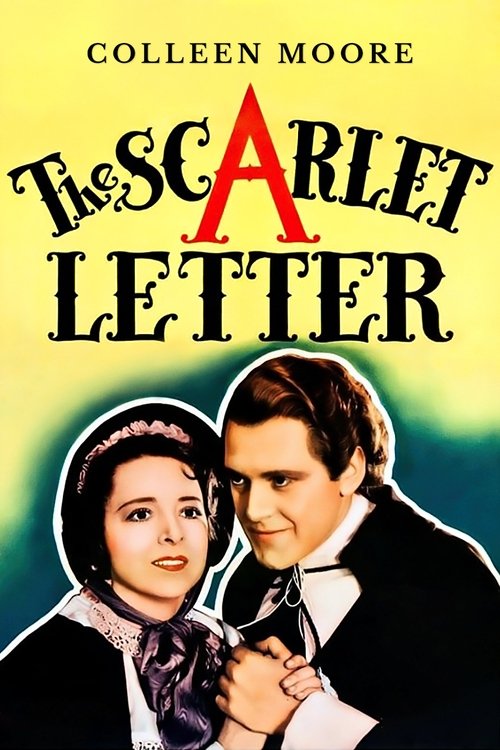
The Scarlet Letter
1934
No user ratings available yet
Representation score: 2.9 out of 10
Representation Score
Limited
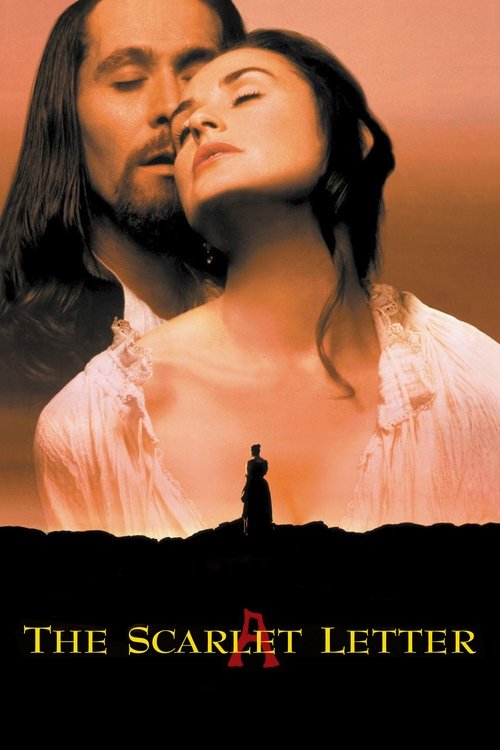
1995
RDirector
Roland Joffé
Runtime
135 minutes
Average Rating
No ratings yetNew Showbiz Analysis
The film excels as a character study that dismantles the 'fallen woman' stereotype. By focusing on Hester Prynne's resilience, the narrative effectively challenges the patriarchal and theocratic governance of the era. However, the period setting limits racial diversity, as the story focuses almost exclusively on the internal dynamics of the colonial settler population. The absence of LGBTQ+ representation also narrows the social scope. Ultimately, the film's strength lies in its intellectual deconstruction of religious authority and its elevation of women's ability to drive the story over institutional dogma.
Category Breakdown
The film does not include any LGBTQ+ characters or non-straight identities. The story stays within the strict social structures of 17th-century Puritanism.
Hester Prynne challenges traditional hierarchies through her strong psychological influence. Her refusal to name the father challenges patriarchal control, turning her social shame into a symbol of independence.
The cast is mostly white and Eurocentric, reflecting the historical setting. While an Indian attack triggers the plot, non-white characters have limited roles in the main storyline.
The film criticizes Western religious institutions as oppressive and rigid. It emphasizes individual conscience over institutional dogma, exploring the tension between public piety and personal reality.
There are no prominent depictions of physical or neurodivergent disabilities used as central plot devices or character traits.
Present on Screen
Limited or Absent
Official Synopsis
Set in puritanical Boston in the mid 1600s, the story of seamstress Hester Prynne, who is outcast after she becomes pregnant by a respected reverend. She refuses to divulge the name of the father, is "convicted" of adultery and forced to wear a scarlet "A" until an Indian attack unites the Puritans and leads to a reevaluation of their laws and morals.
1934
1938
2022

1996
1973

1980

2000
1995
No reviews yet. Be the first to share your thoughts on this movie!
Use the rating form above to leave a star rating and optional review.