The Miniaturist
2017
No user ratings available yet
Representation score: 3.5 out of 10
Representation Score
Fair
1980
Director
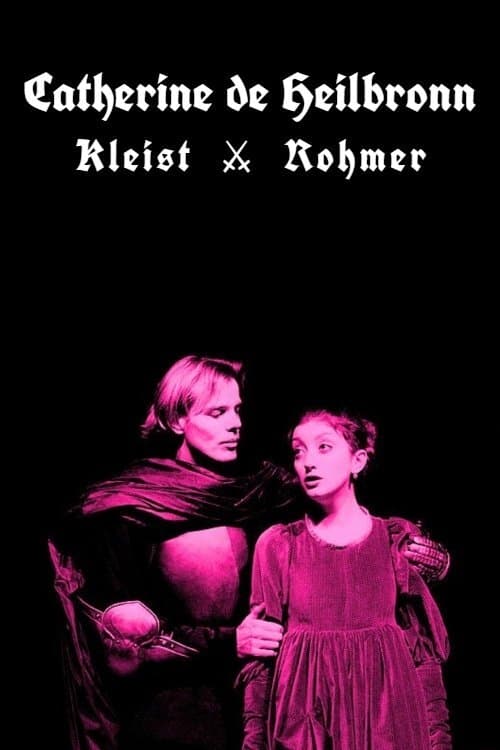
Éric Rohmer
Runtime
138 minutes
Average Rating
No ratings yetNew Showbiz Analysis
Éric Rohmer’s direction suggests an intentional challenge to social hierarchies, even within a period setting. The film uses a medieval framework to explore moral ambiguity and the deconstruction of traditional structures. While the film lacks modern identity markers like LGBTQ+ representation or racial diversity, it finds depth in its critique of institutional authority. The narrative focuses on the friction between individual experience and systemic dogma. The central conflict involving Catherine’s 'possession' provides a lens through which to view gendered power dynamics and non-normative cognitive states, though these elements remain tied to the era's constraints.
Category Breakdown
There are no LGBTQ+ characters or narratives in the film. The medieval setting adheres to the assumption that everyone is straight or cisgender.
The story revolves around Catherine, a young woman being interrogated by a male authority figure. This scenario highlights the tension between female autonomy and patriarchal control.
Set in the Middle Ages, the film likely reflects the demographic homogeneity of the era. There is no evidence of diverse racial representation or subversion of norms.
The plot critiques institutional power by examining the friction between individual truth and systemic superstition. It questions the reliability of religious and legal structures.
The theme of 'unnatural possession' may serve as a metaphor for neurodivergence or mental health. This portrayal could either give Catherine a significant role in driving the story or serve as a plot device for male-driven investigations.
Present on Screen
Limited or Absent
Official Synopsis
In the Middle Ages, the earl Wetter von Stahl is accused of having bewitched Catherine, the daughter of the blacksmith of Heilbronn. The earl tries to be exonerated by proceeding himself to the interrogation of the young woman, who apparently shows an "unnatural possession".
2017
1943

2012

1971
1987
1922
1973
1996
No reviews yet. Be the first to share your thoughts on this movie!
Use the rating form above to leave a star rating and optional review.