
The Box Man
2002
No user ratings available yet
Representation score: 8.5 out of 10
Representation Score
Excellent
2015
Director
Theodore Ushev
Runtime
2 minutes
Average Rating
No ratings yetNew Showbiz Analysis
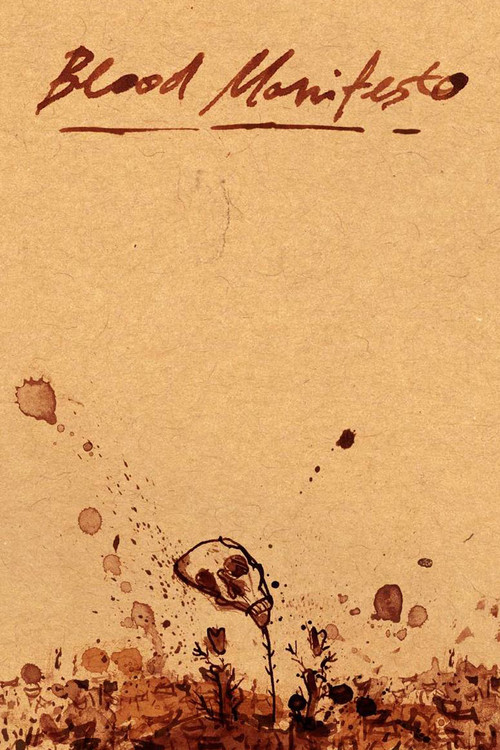
Theodore Ushev’s *Blood Manifesto* is a radical departure from traditional identity-based storytelling. By using blood as a primary medium, the film focuses on systemic injustice rather than individual character studies. The work challenges social hierarchies and established power structures through visceral, non-conformist techniques. While the experimental nature offers a unique perspective, the abstraction sometimes obscures specific representations of ability to act, especially concerning disability.
Category Breakdown
The film's abstract animation style avoids traditional gendered structures. Using blood as a medium allows for a fluid exploration of identity, free from typical gender roles.
The narrative structure challenges conventional gender roles. It avoids reinforcing traditional masculine or feminine hierarchies, instead focusing on systemic struggles and presenting a deconstructed view of leadership.
The use of blood as a universal metaphor emphasizes shared human experiences. This approach prioritizes collective struggle over specific ethnic stereotypes or caricatures.
The work critiques established power structures and Western artistic norms. It uses a visceral medium to highlight the struggle against systemic oppression and injustice.
The chaotic, non-linear visual flow may resonate with non-standard sensory experiences. However, the abstract, non-humanoid characters make specific depictions of disability ability to act hard to identify.
Present on Screen
Limited or Absent
Official Synopsis
Director Theodore Ushev uses his own blood to animate struggles with injustice in the world.
2002
2019
1964

1973

2012
2016
2001

2020
No reviews yet. Be the first to share your thoughts on this movie!
Use the rating form above to leave a star rating and optional review.