
The Return of the Waves
2020
No user ratings available yet
Representation score: 5.2 out of 10
Representation Score
Fair
2019
Director
Theodore Ushev
Runtime
27 minutes
Average Rating
No ratings yetNew Showbiz Analysis
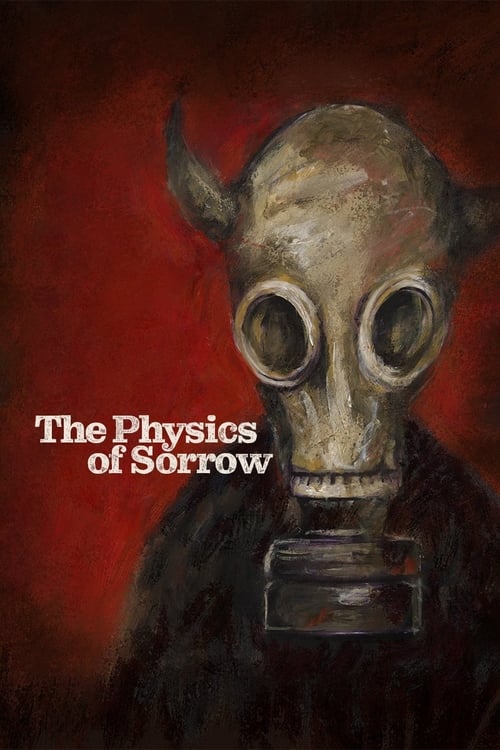
The Physics of Sorrow is a meditative animated study of displacement and memory. It moves away from traditional hero-driven narratives to explore the fragmented identity of an immigrant. While it lacks explicit markers of identity politics, it subverts traditional social anchors. However, the film's narrow focus on a singular male perspective and the absence of explicit LGBTQ+ or disability representation limits its breadth. It serves more as a psychological character study than a diverse ensemble piece.
Category Breakdown
The film focuses on the protagonist's internal state and themes of rootlessness, which might resonate with queer experiences.
The story revolves around a single male perspective, emphasizing his emotional fragility and challenging traditional masculine stereotypes.
By focusing on a Bulgarian protagonist, the film offers a nuanced look at ethnic identity through the lens of migration and integration in Canada.
The narrative explores the psychological impact of systemic changes and loss of national identity, critiquing the stability of Western modernity through a fragmented, existential lens.
No physical or neurodivergent disabilities are shown. The sorrow depicted seems to be a philosophical condition rather than a clinical one.
Present on Screen
Limited or Absent
Official Synopsis
Tracks an unknown man’s life as he sifts through memories of his youth in Bulgaria through to his increasingly rootless and melancholic adulthood in Canada.
2020

2019

2006

2013

2001

2012

2018

2018
No reviews yet. Be the first to share your thoughts on this movie!
Use the rating form above to leave a star rating and optional review.