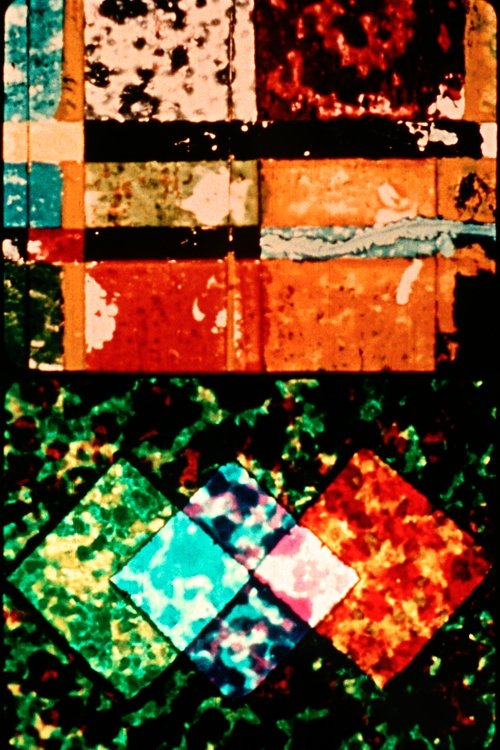
No. 3: Interwoven
1947
No user ratings available yet
Representation score: 4.2 out of 10
Representation Score
Fair
1947
Director
Harry Smith
Runtime
6 minutes
Average Rating
No ratings yetNew Showbiz Analysis
Harry Smith’s *No. 4: Fast Track* is a formalist experiment that celebrates diversity through cultural alignment rather than character depiction. By combining abstract visuals with Dizzy Gillespie’s *Manteca*, the film centers Black musical innovation and rhythmic complexity. The work avoids the social hierarchies common in mid-century cinema by rejecting traditional narrative structures. While it lacks explicit representation of gender, sexuality, or disability, its refusal to engage in character-driven clichés creates a neutral space for interpretation. Ultimately, the film’s strength lies in its celebration of Afro-diasporic culture and its departure from rigid, Western-centric storytelling frameworks.
Category Breakdown
The film does not include characters or dialogue, so it doesn't explicitly show LGBTQ+ identities. However, its non-narrative structure avoids traditional assumptions about straight relationships.
The work focuses on rhythm and form, avoiding any characters or roles that might reinforce traditional gender hierarchies.
The film highlights Black musical creativity by visually interpreting Dizzy Gillespie’s bebop and Afro-Cuban jazz. This places Afro-diasporic musical innovation at the center of the experience.
The film emphasizes sensory abstraction over Western-centric storytelling. Its focus on jazz disrupts rigid compositional expectations and highlights progressive cultural values.
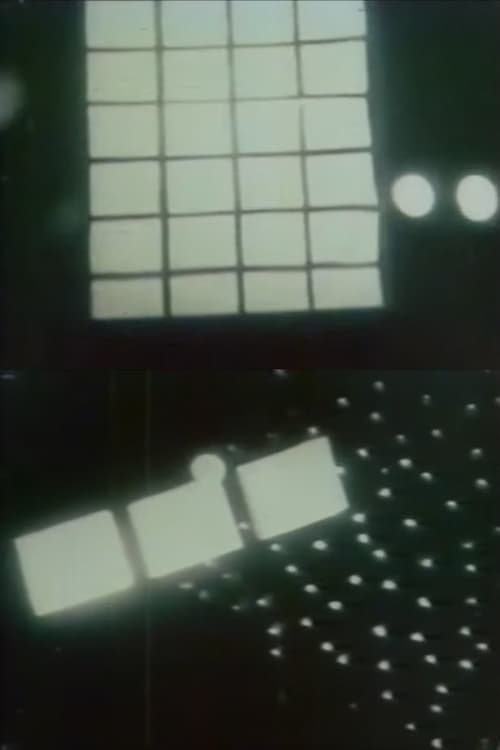
Since the animation uses abstract brushstrokes and superimpositions, there are no characters to represent physical or neurodivergent identities.
Present on Screen
Limited or Absent
Official Synopsis
16 mm, black & white and color, 2:16 or 6 min. Silent though possibly intended to be screened with Dizzy Gillespie's Manteca. The film starts with a color sequence showing Smith's painting Manteca (ca. 1950) with which he tried to subjectively depict Gillespie's song, every brushstroke representing a music note. The film concludes with black & white superimpositions.
1947
1939
1956
1949
1947
1951
1930
1937
No reviews yet. Be the first to share your thoughts on this movie!
Use the rating form above to leave a star rating and optional review.