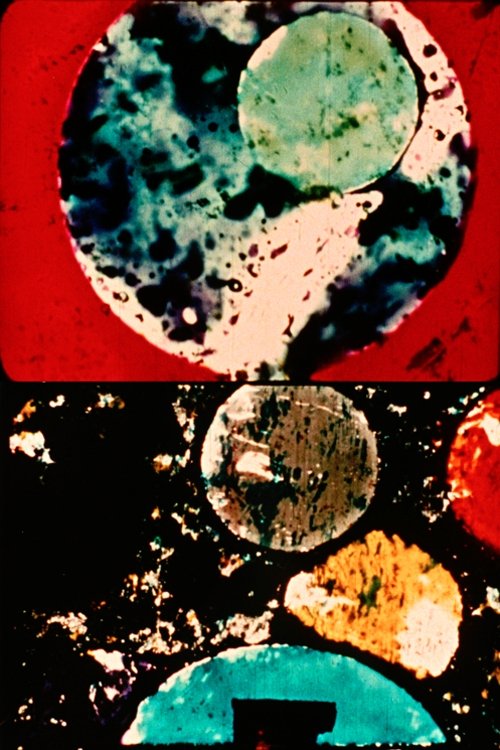
No. 2: Message From the Sun
1947
No user ratings available yet
Representation score: 7.0 out of 10
Representation Score
Good
1956
Director
Harry Smith
Runtime
4 minutes
Average Rating
No ratings yetNew Showbiz Analysis
Harry Smith’s *No. 11: Mirror Animations* is a radical formalist work that achieves diversity through structural disruption rather than character development. By using cut-up animation and non-linear synchronization, the film avoids the social hierarchies inherent in traditional storytelling. The film's strongest contribution is its integration of Black musical heritage. By centering Thelonious Monk’s *Mysterioso* as the rhythmic foundation, the piece elevates Black creative ability to act within the experimental medium. While the film lacks explicit representation of gender, disability, or LGBTQ+ identities, its rejection of conventional narrative structures serves as a subtle subversion of mid-20th-century cinematic norms.
Category Breakdown
The film avoids explicit representations of LGBTQ+ identities or intimate relationships through its abstract style. However, it challenges traditional romantic clichés by using non-linear, rhythmic abstraction.
The film bypasses traditional gender hierarchies by featuring non-human, rhythmic elements synchronized to jazz music, rather than human characters.
The film centers Black creative ability to act by synchronizing its visuals to Thelonious Monk’s jazz. This choice challenges the Eurocentric classical scoring common in experimental cinema of the time.
The work embraces cultural subversion through avant-garde abstraction and jazz. This approach rejects singular Western truths in favor of a subjective, sensory experience that defies traditional order.
The abstract, non-anthropomorphic nature of the collage technique provides no visible or identifiable representation of physical or neurodivergent disability.
Present on Screen
Limited or Absent
Official Synopsis
Cut up animation and collage technique by Harry Smith synchronized to the jazz of Thelonious Monk's Mysterioso.
1947
1947

1947
1949
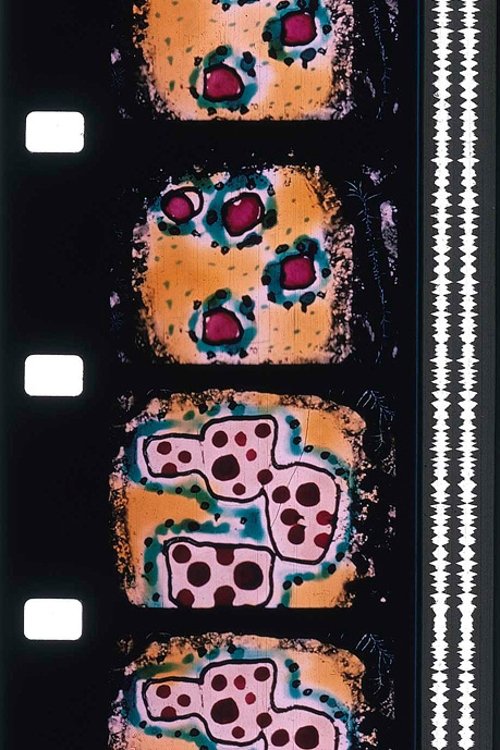
1939

1959
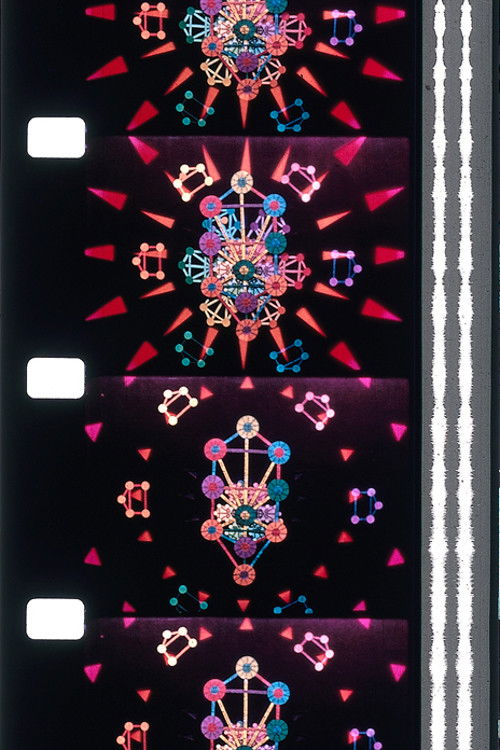
1956

1962
No reviews yet. Be the first to share your thoughts on this movie!
Use the rating form above to leave a star rating and optional review.