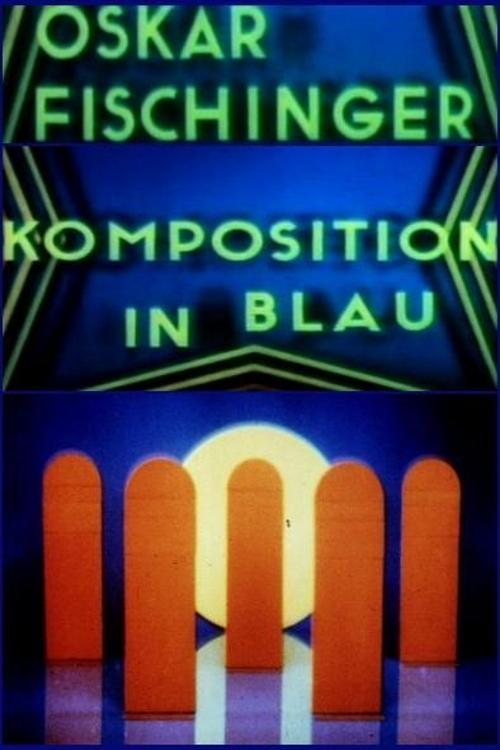
Composition in Blue
1935
No user ratings available yet
Representation score: 0.0 out of 10
Representation Score
Good
1930
Director
Oskar Fischinger
Runtime
2 minutes
Average Rating
No ratings yetNew Showbiz Analysis
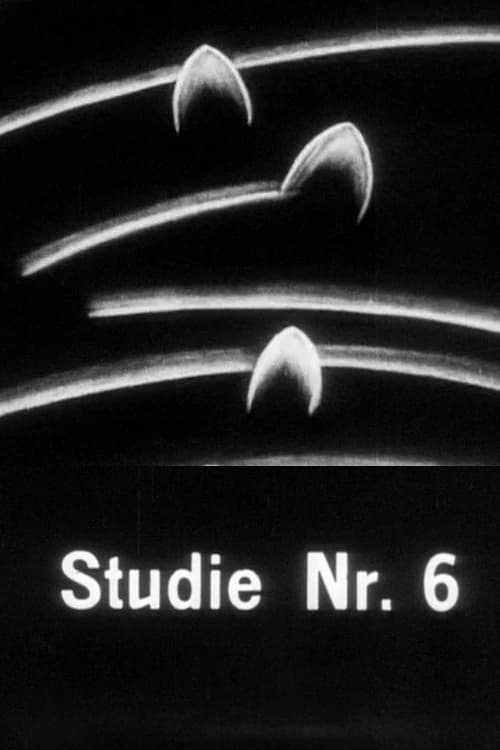
Oskar Fischinger’s *Study No. 6* is a seminal work of abstract animation that prioritizes formalist experimentation over traditional narrative structures. It functions as a non-objective visual poem, eschewing character-driven storytelling and human subjects in favor of geometric synchronization with music. Because the film focuses entirely on the interplay of white lines, arcs, and curves, it exists outside the conventional frameworks of social representation or identity politics. The creative decisions are directed toward musical synchronization rather than social commentary. Ultimately, the film disrupts cinematic expectations by removing the human element entirely, bypassing the systemic structures of identity and representation that define traditional narrative media.
Category Breakdown
The film does not depict any LGBTQ+ characters or narratives related to gender, sexuality, or interpersonal relationships.
The film uses geometric shapes to represent ballet dancers, avoiding traditional gender roles and hierarchies.
The film operates in a purely abstract space, with no racial or ethnic identifiers present.
The film focuses on the relationship between sound and vision, avoiding social institutions and remaining neutral in its aesthetic theory.
The film does not depict any physical or neurodivergent identities, focusing instead on rhythmic synchronization.
Present on Screen
Limited or Absent
Official Synopsis
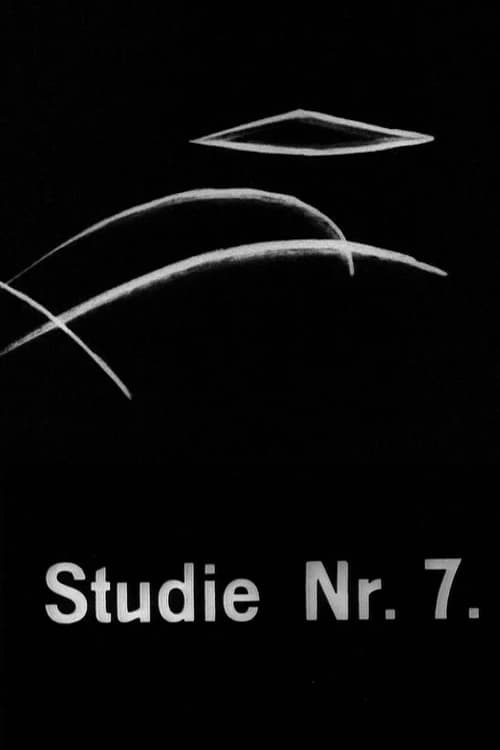
The first Studies were synchronized with records (Fischinger made a total of 13 Studies all without sound). It was only with the introduction of sound, beginning with Study No 6 that the films did full justice to this musical principle. The play of the white lines, the arcs, and the upside-down U’s running hither and thither like ballet dancers was brought into perfect synchronization with the music, and thus the films offered an abstract illustration of the melodies. Study No 6 is certainly the best of his films in terms of forms. - Hans Scheugl and Ernst Schmidt, Jr. Preserved by the Academy Film Archive in 2001.
1935
1931
1931
1936
1926
1927
1921
1927
No reviews yet. Be the first to share your thoughts on this movie!
Use the rating form above to leave a star rating and optional review.