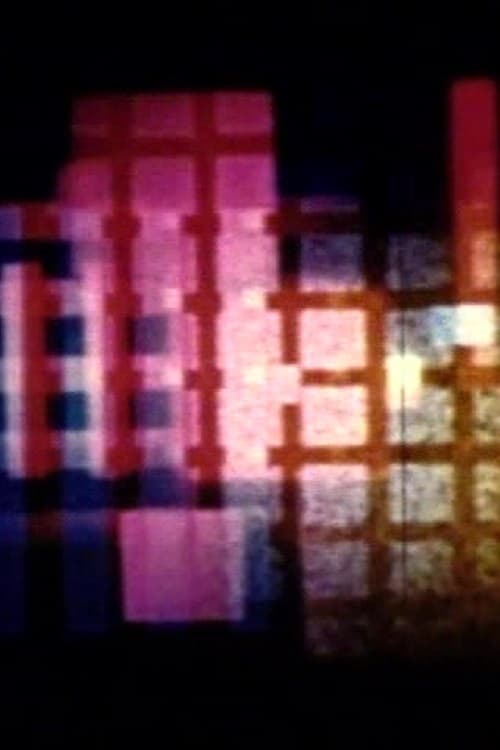
No. 7: Color Study
1951
No user ratings available yet
Representation score: 0.6 out of 10
Representation Score
Good
1949
Director
Harry Smith
Runtime
3 minutes
Average Rating
No ratings yetNew Showbiz Analysis
Harry Smith’s experimental short uses abstraction rather than character-driven stories. Without human figures, it can’t directly represent race, gender, or identity. Instead, the film offers diversity through its rejection of mainstream cinematic norms. It avoids the social hierarchies and moralizing common in 1949, opting for a non-linear, sensory experience. Ultimately, the film’s value lies in its formalist disruption of the standard viewer experience, providing a neutral space free from traditional social roles.
Category Breakdown
The film doesn't show sexual orientation or gender identity explicitly. Its abstract structure avoids typical heterosexual and romantic storylines.
By eliminating human elements, the work avoids traditional gender roles. It doesn’t depict submissive women or dominant men, focusing instead on rhythm and visuals.
The film focuses on shapes and colors without human actors, so it doesn't represent racial or ethnic backgrounds directly.
The film emphasizes sensory experience over traditional storytelling. This approach critiques conventional cultural narratives and cinematic norms.
The film doesn't include characters with physical or neurological differences. Its experimental format might explore unique visual experiences, but there are no characters shown.
Present on Screen
Limited or Absent
Official Synopsis
Experimental short. 16 mm, color, silent, 2:30 or 6 min. Sequel to No. 4.
1951
1939
1931
1947
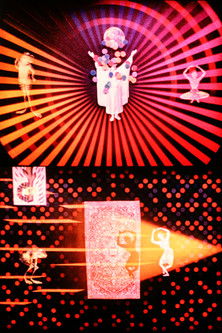
1956

1971
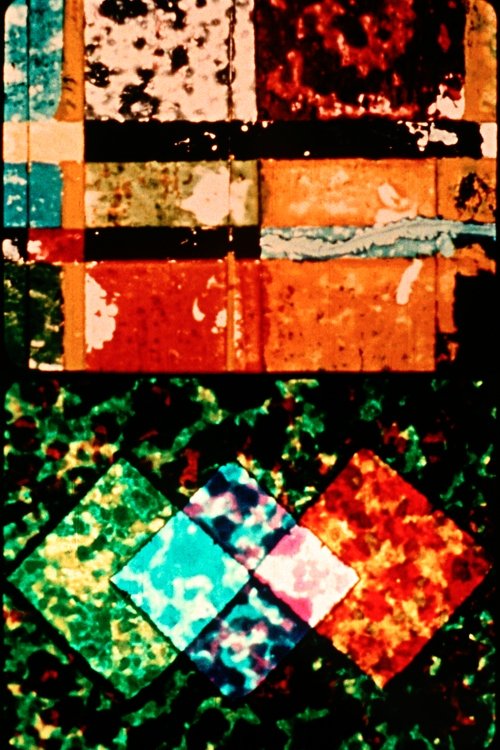
1947
1965
No reviews yet. Be the first to share your thoughts on this movie!
Use the rating form above to leave a star rating and optional review.