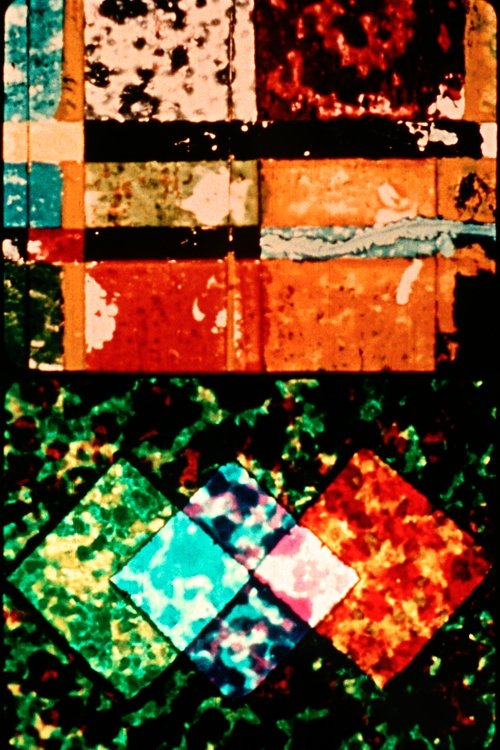
No. 3: Interwoven
1947
No user ratings available yet
Representation score: 4.2 out of 10
Representation Score
Fair
1939
Director
Harry Smith
Runtime
3 minutes
Average Rating
No ratings yetNew Showbiz Analysis
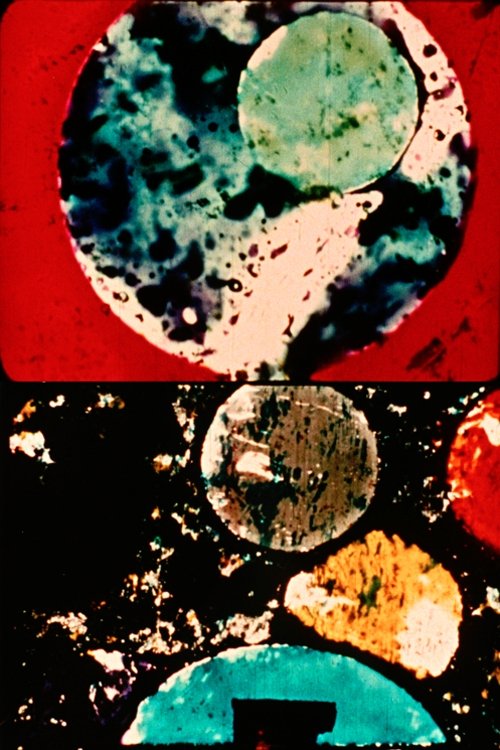
Harry Smith’s experimental animation serves as a sensory experience rather than a character-driven story. Using visual abstraction, it avoids the social hierarchies and clichés found in traditional narrative cinema. By avoiding standard protagonists, the film sidesteps reinforcing gender and racial stereotypes, choosing instead for a radical, rhythmic subjectivity. Although it doesn’t explicitly represent diverse identities, the connection to Afro-Cuban jazz and the rejection of conventional storytelling offer a subtle, cross-cultural aesthetic message.
Category Breakdown
The film's abstract, hand-painted style doesn't show any specific LGBTQ+ identities. However, its rejection of a linear storyline challenges traditional ways of telling stories centered around straight relationships.
Due to a lack of detailed characters, it's hard to assess gender dynamics. The film avoids reinforcing typical masculine or feminine stereotypes but doesn't challenge them either.
Though there are no human characters, the film's connection to Afro-Cuban jazz hints at a cultural exchange. This rhythmic approach moves away from the European traditions of 1930s animation.
The work focuses on personal experiences and non-linear time rather than following a Western progression. Its avant-garde style naturally challenges the stability of traditional storytelling methods.
The abstract, non-human subject matter doesn't include any representation of disabilities.
Present on Screen
Limited or Absent
Official Synopsis
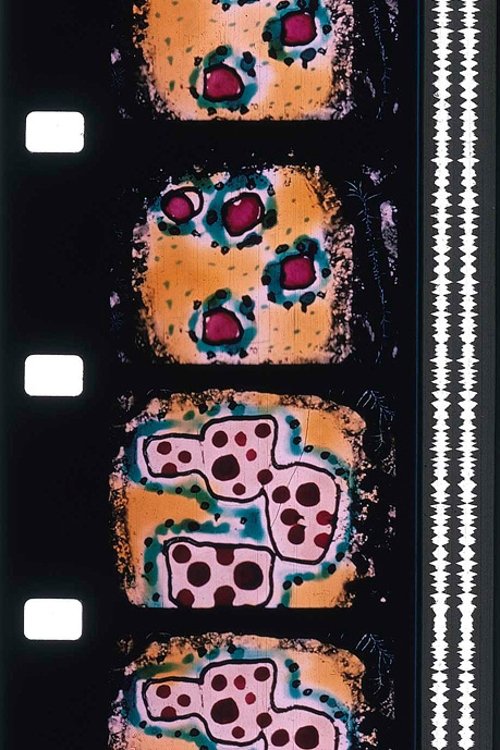
Hand-painted 35 mm stock photographed in 16 mm, color, silent, 2:20 or 5 min. Initially intended to be screened with and synchronized to Dizzy Gillespie's Manteca or Guarachi Guaro. "...the history of the geologic period reduced to orgasm length."
1947
1947
1949
1947
1956
1951
1931
1956
No reviews yet. Be the first to share your thoughts on this movie!
Use the rating form above to leave a star rating and optional review.