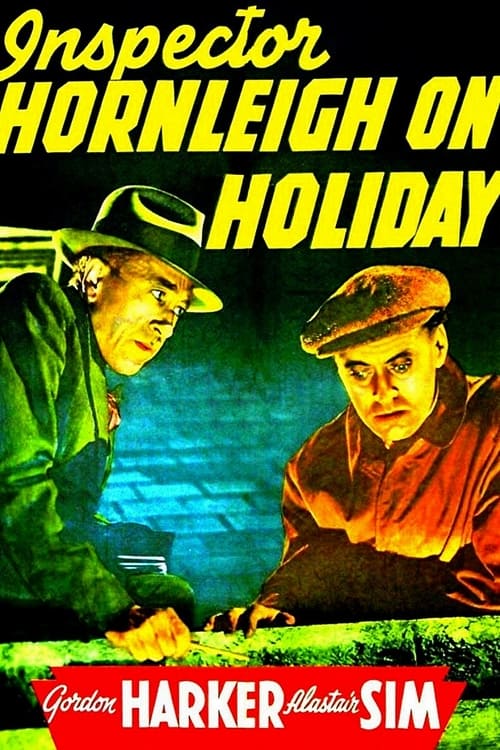
Inspector Hornleigh on Holiday
1939
No user ratings available yet
Representation score: 1.3 out of 10
Representation Score
Minimal
1941
Not RatedDirector
Walter Forde
Runtime
87 minutes
Average Rating
No ratings yetNew Showbiz Analysis
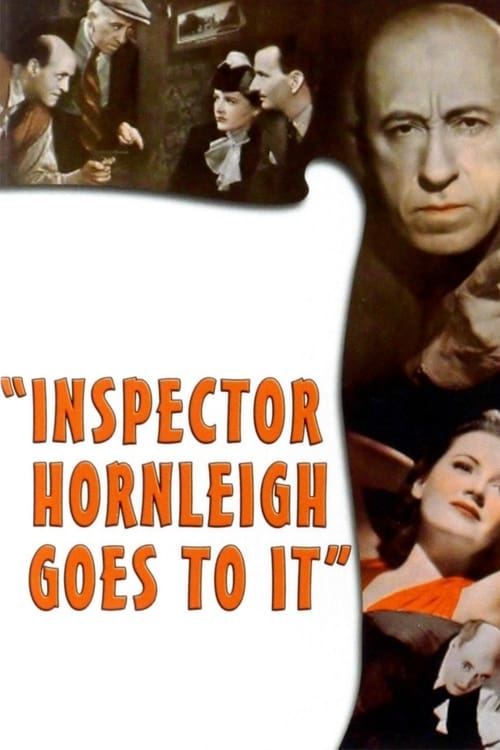
Inspector Hornleigh Goes to It is a product of its wartime era, prioritizing nationalistic themes and conventional social hierarchies. The film reinforces the status quo of 1941 British cinema. The narrative structure centers on male authority and institutional competence. It lacks the intentionality needed to disrupt established clichés or provide meaningful multi-layered representation. Ultimately, the film reflects the homogeneous social landscape of the period, focusing on patriotism and defending the state against perceived foreign subversion.
Category Breakdown
The film follows the conventions of 1941 British cinema, which assumes everyone is straight or cisgender. There are no queer narratives or non-cisgender identities present.
Male characters hold the narrative authority in the film, with Inspector Hornleigh and Sergeant Bingham being the main figures. Female characters are used mainly as plot devices without much depth.
The setting of a British army barracks implies a mostly Anglo-Saxon population. The story focuses on national security and internal threats rather than multiculturalism.
The story upholds traditional Western values and patriotism. It emphasizes institutional stability and national duty during wartime, without critiquing social hierarchies.
The film does not include any characters with visible or invisible disabilities. The narrative centers on procedural comedy and wartime espionage.
Present on Screen
Limited or Absent
Official Synopsis
Third and final film in the 'Inspector Hornleigh’ series of comedy-thrillers. Inspector Hornleigh (Gordon Harker), disappointed at not being handed an important spy case, is assigned by Scotland Yard to an army barracks to investigate the mundane thefts of supplies from the stores. This accidentally leads Hornleigh and Sergeant Bingham (Alastair Sim) to a nest of fifth columnists when his dim-witted assistant carelessly talks to a girl in the cafeteria – and that night, news of Hornleigh and Bingham’s arrival is embarrassingly transmitted back to Germany.
1939

1942
1955
1946
1941
1935
1943
1951
No reviews yet. Be the first to share your thoughts on this movie!
Use the rating form above to leave a star rating and optional review.