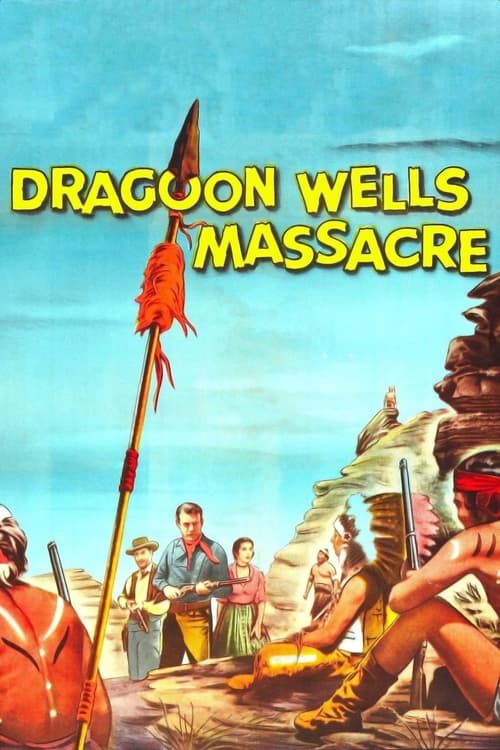
Dragoon Wells Massacre
1957
No user ratings available yet
Representation score: 0.8 out of 10
Representation Score
Limited
1957
ApprovedDirector
Charles Marquis Warren
Runtime
77 minutes
Average Rating
No ratings yetNew Showbiz Analysis
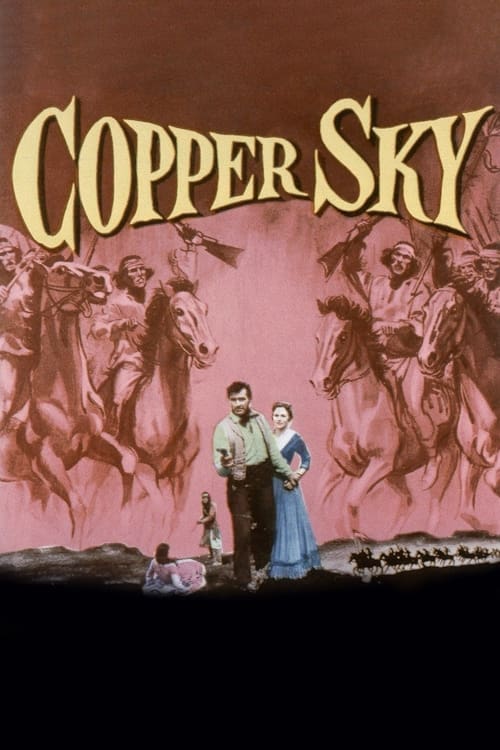
Copper Sky is a quintessential mid-century Western that adheres to the social hierarchies and narrative structures of its era. It focuses on a survivalist journey through a lens that reinforces traditional archetypes rather than subverting them. The film lacks representation of multiple aspects of identity, relying on a white-centric settler perspective and framing indigenous populations as antagonistic forces. This reinforces the standard 'civilization versus wilderness' dichotomy common in 1950s cinema. While the story introduces moral tension through a wrongful legal accusation, it remains rooted in individualist ideals. The character dynamics and social frameworks reflect the era's standard gender and cultural norms.
Category Breakdown
The film does not include any identifiable LGBTQ+ characters or non-cisgender identities. The social framework remains entirely focused on straight relationships, reflecting the production standards of 1957.
Nora Haynes plays a central role, yet the physical survival and conflict resolution remain largely driven by the male lead. The film relies on mid-century clichés where women serve primarily as companions rather than independent drivers of action.
The settler population is represented by a predominantly white cast. Indigenous groups are portrayed through conventional Western clichés as a source of external conflict and threat to the settlers.
The narrative emphasizes traditional frontier survival and individualist justice. While it explores moral complexity through a wrongful accusation, it does not challenge Western institutions as systemic or oppressive.
The protagonist's alcoholism is treated as a character flaw to drive personal conflict. The portrayal leans toward the 'troubled man' cliché rather than a nuanced exploration of chronic illness.
Present on Screen
Limited or Absent
Official Synopsis
Alcoholic former cavalryman Hack Williams is arrested for killing an Indian, something he did not do. The townspeople, fearful of Apache reprisals, plan to hang Williams in hopes of heading off an attack. But the attack comes and Hack, locked in his jail cell, is the only survivor as a massacre occurs. Into the scene of carnage arrives schoolteacher Nora Haynes. Together she and Williams must find a way to reach safety before another Indian attack. But the pair are by no means well-matched, and their trip alone across the desert is not destined to be an easy one.
1957
1966
1956
1960
1953
1959
1953
1959
No reviews yet. Be the first to share your thoughts on this movie!
Use the rating form above to leave a star rating and optional review.