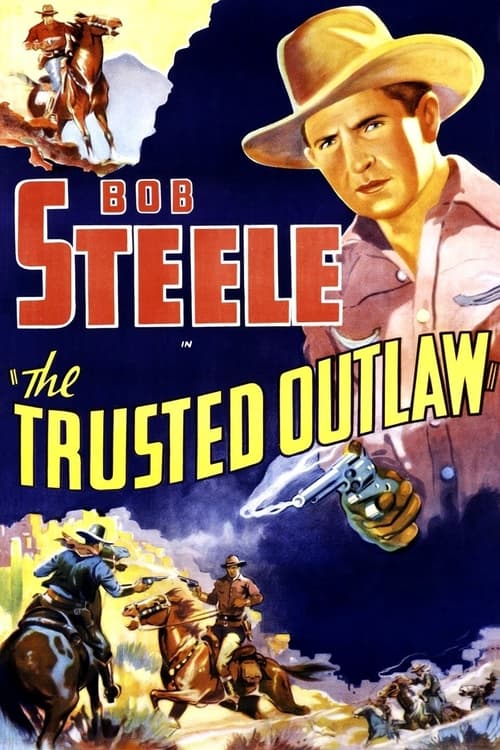
The Trusted Outlaw
1937
No user ratings available yet
Representation score: 1.1 out of 10
Representation Score
Minimal
1947
PassedDirector
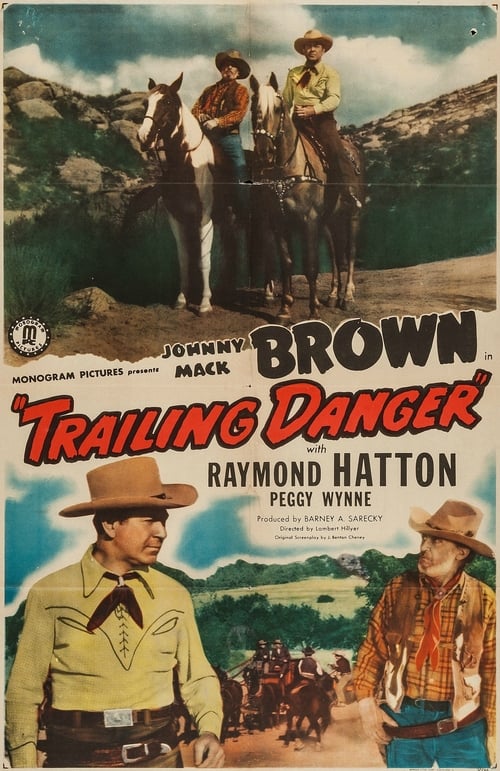
Lambert Hillyer
Runtime
58 minutes
Average Rating
No ratings yetNew Showbiz Analysis
Trailing Danger is a standard B-Western that adheres strictly to the genre conventions of 1947. The story focuses on a criminal gang's attempt at retribution against a stage superintendent, driving a plot centered on masculine conflict and frontier justice. The film lacks diversity in almost every category, relying on a homogeneous cast and traditional social hierarchies. The narrative structure reinforces the protector/protected dynamic and conventional gender roles typical of the era. Ultimately, the film functions as a conventional genre piece. It prioritizes established Western clichés of law and masculinity without attempting to subvert or expand upon social identities.
Category Breakdown
The film follows a traditional Western storyline involving criminals and law enforcement. There are no characters with non-binary or LGBTQ+ identities.
The story centers around male-driven conflicts between prisoners and lawmen. While Kay is part of the group, her role remains secondary to the male-dominated plot.
The setting and character names suggest a homogeneous cast, fitting the 1940s cinematic norms. There is no indication of a diverse or non-Anglo-Saxon majority.
The plot focuses on protecting a stage line and upholding legal institutions. It operates within a framework of traditional Western morality and justice.
The film provides no information about characters with visible or invisible disabilities. No assessment can be made regarding neurodivergence or physical impairments.
Present on Screen
Limited or Absent
Official Synopsis
Convicted killer Jim Holden is rescued from the sheriff by his gang, led by Mason and Riley. He is out to get the Hathaway Stage superintendent George Bannister, who was responsible for his conviction and learns the Bannister, his niece (Kay) and Hal Hathaway, son of the stage line owner, are on a cross-country stage. Johnny, a rancher, and Waco, local stage representative head for the stage to warn the passengers, including entertainer Paradise Flo and coffin salesman Pennypacker. Hal takes the stage into Holdin. Johnny and Waco rescue Hal and Bannister before the gang succeeds in hanging the pair.
1937
1959
1947
1960
1947
1958
1948
1957
No reviews yet. Be the first to share your thoughts on this movie!
Use the rating form above to leave a star rating and optional review.