
A Song for Martin
2001
No user ratings available yet
Representation score: 2.8 out of 10
Representation Score
Fair
2012
PG-13Director
Michael Haneke
Runtime
127 minutes
Average Rating
No ratings yetNew Showbiz Analysis
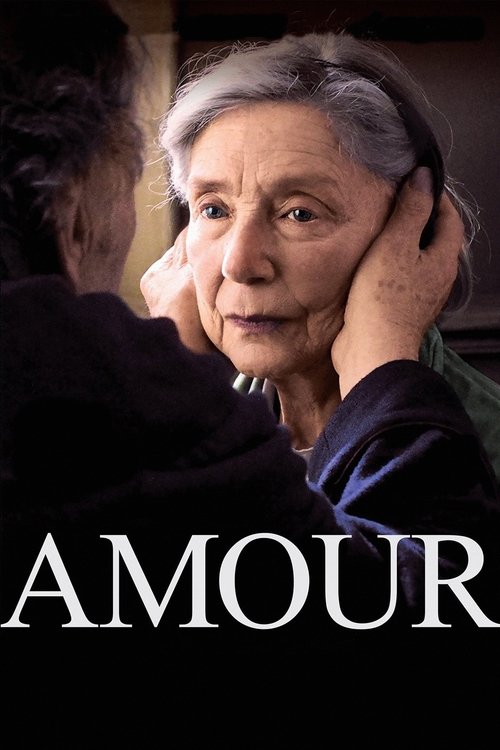
Amour is a traditionally demographically focused film that prioritizes ideological complexity over broad representation. While the cast lacks racial and LGBTQ+ diversity, the narrative challenges the viewer's attachment to conventional social and medical hierarchies. The film succeeds by deconstructing Western institutional authority and traditional gender roles. It uses the domestic sphere to explore moral ambiguity and the breakdown of systemic support during a medical crisis. Ultimately, the work is a clinical examination of biological decay. It prioritizes the subjective truth of the individual over the rigid moralities often upheld by religious or state institutions.
Category Breakdown
The film focuses solely on a long-term heterosexual relationship and does not include any non-traditional gender identities or critiques of the assumption that everyone is straight or cisgender.
Georges challenges traditional gender roles by taking on the role of a primary caregiver, which is typically associated with women. The film avoids the cliché of the stable leader by showing his psychological deterioration.
The setting depicts a homogeneous, upper-middle-class European environment. The cast is predominantly white, reflecting the specific cultural context of the Parisian intelligentsia.
The narrative expresses skepticism towards Western medical and social institutions. It emphasizes moral relativism regarding end-of-life autonomy over religious or state-sanctioned morality.
Anne’s decline is shown with grim, unvarnished realism rather than sentimental inspiration. The film highlights the loss of autonomy and systemic failures in care.
Present on Screen
Limited or Absent
Official Synopsis
Georges and Anne are in their eighties. They are cultivated, retired music teachers. Their daughter, who is also a musician, lives abroad with her family. One day, Anne has a stroke, and the couple's bond of love is severely tested.
2001

2012

2004

1966
2015

2012

2009
2001
No reviews yet. Be the first to share your thoughts on this movie!
Use the rating form above to leave a star rating and optional review.