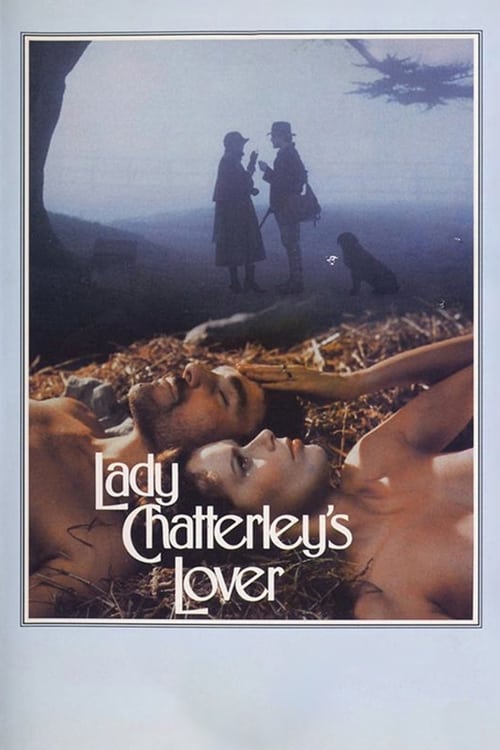
Lady Chatterley's Lover
1981
No user ratings available yet
Representation score: 5.0 out of 10

Representation Score
Fair
1996
RDirector
Lars von Trier
Runtime
159 minutes
Average Rating
No ratings yetNew Showbiz Analysis
Breaking the Waves is a profound deconstruction of traditional moral and social hierarchies. It excels in its nuanced portrayal of gender ability to act and its scathing critique of religious structures, using Bess's spiritual martyrdom to challenge conventional notions of virtue. However, the film lacks demographic breadth. The narrative is strictly oriented toward straight relationships and set within a racially homogeneous Scottish village, offering little representation for LGBTQ+ or non-white communities. Ultimately, the film's strength lies in its intellectual depth rather than its inclusivity. It trades demographic diversity for a radical exploration of how rigid social and religious norms impact individual autonomy.
Category Breakdown
The story centers around a traditional marriage but explores unconventional sexual dynamics through the lens of spiritual sacrifice rather than queer identity.
Bess McNeill challenges traditional gender roles by reclaiming her body and sexuality. She is portrayed as having significant control over her life and actions, rather than being a passive victim.
Set in a remote 1970s Scottish village, the cast is predominantly white, reflecting the historical and geographic homogeneity of the setting.
The film offers a sophisticated critique of organized religion and Western institutions. It portrays religious fervor as a catalyst for psychological fragmentation and moral relativism.
Jan’s paralysis serves as a central catalyst for the characters' emotional ecosystem. The film avoids portraying Jan as an inspirational figure by focusing on the complex ability to act of the disabled individual.
Present on Screen
Limited or Absent
Official Synopsis
In a small, conservative Scottish village, an oilman is paralyzed in an accident. His wife, who prayed for his return, feels guilty; even more, when he urges her to have sex with another.
1981
1976

2001

1989

1972

1969

2004

1996
No reviews yet. Be the first to share your thoughts on this movie!
Use the rating form above to leave a star rating and optional review.