
Summer Interlude
1951
No user ratings available yet
Representation score: 2.5 out of 10
Representation Score
Fair
1955
Not RatedDirector
Ingmar Bergman
Runtime
88 minutes
Average Rating
No ratings yetNew Showbiz Analysis
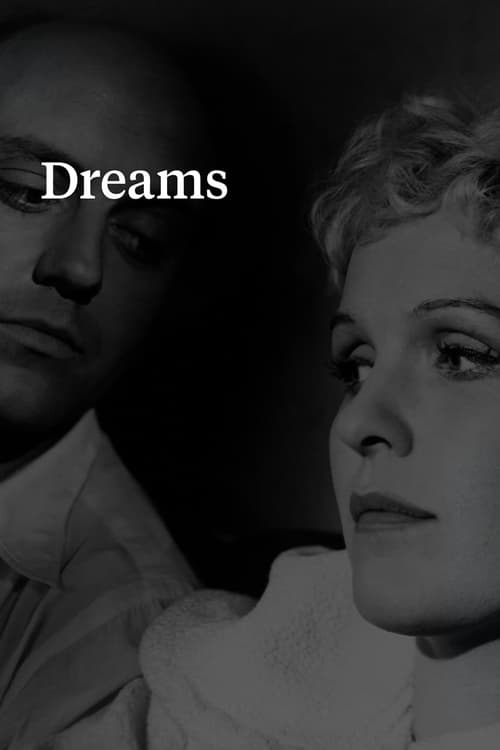
Dreams (1955) functions as a character study that prioritizes female subjectivity. By centering the parallel romantic disappointments of two women, the film moves away from traditional male-driven plots to explore internal emotional landscapes. The work achieves a progressive feel through its focus on women's roles and the complexities of human desire. It challenges the romance genre by emphasizing disillusionment and emotional endurance over conventional courtship mechanics. However, the film remains limited by its era. The lack of racial diversity and the absence of explicit LGBTQ+ identities reflect the demographic and social constraints of mid-century Swedish cinema.
Category Breakdown
The film explores themes of desire and illusion within a female-centric framework. However, there is no explicit confirmation of queer identities or relationships that aren't centered around heterosexual norms.
The narrative centers two women—a fashion executive and a model—as the primary drivers of the story. This focus on women's roles disrupts traditional patriarchal hierarchies in romantic dramas.
The production reflects the demographic homogeneity of 1955 Sweden. There is no evidence of diverse racial casting or challenging Anglo-centric norms.
The film adopts a secular, humanist framework that prioritizes psychological experience over religious imperatives. It focuses on subjective desire rather than institutional moral structures.
There is no information available regarding the portrayal of physical or neurodivergent characters in this work.
Present on Screen
Limited or Absent
Official Synopsis
Two women—a fashion executive and her young model—experience parallel romantic disappointments during a trip to Gothenburg, exposing generational differences in desire, illusion, and emotional endurance. A transitional work in Ingmar Bergman’s mid-1950s cinema.
1951
1964

1953
1952
1962
1955
1955

1971
No reviews yet. Be the first to share your thoughts on this movie!
Use the rating form above to leave a star rating and optional review.