
Toute une nuit
1982
No user ratings available yet
Representation score: 6.2 out of 10
Representation Score
Good
1974
Director
Chantal Akerman
Runtime
86 minutes
Average Rating
No ratings yetNew Showbiz Analysis
Chantal Akerman’s work disrupts patriarchal narrative norms by centering the female gaze and the 'invisible' labor of the domestic sphere. Through a minimalist lens, the film validates female psychological experiences. While the film excels in gender representation, it remains narrow in its demographic scope. The lack of racial diversity and explicit LGBTQ+ representation significantly lowers the overall diversity score. Ultimately, the film is a structuralist study of isolation. It moves away from traditional Western storytelling clichés to prioritize a nuanced, albeit homogeneous, female perspective.
Category Breakdown
The film focuses on the domestic dynamics between three women but does not show same-sex intimacy or explicitly depict non-straight relationships.
Akerman challenges traditional hierarchies by centering the everyday labor of domestic life. This approach gives women control over their physical and temporal spaces.
The narrative is strictly contained within a homogeneous cast of white women in Brussels. There is no evidence of racial blending or non-white characters.
The film critiques bourgeois domesticity by portraying the home as a place of psychological weight. It deconstructs idealized Western domestic life through observational minimalism.
The story explores psychological breakdown and the mental weight of isolation, serving as an existential study rather than specific disability plot devices.
Present on Screen
Limited or Absent
Official Synopsis
A woman suffers a subdued psychological breakdown in the wake of a devastating breakup.
1982
1972
1986
1986
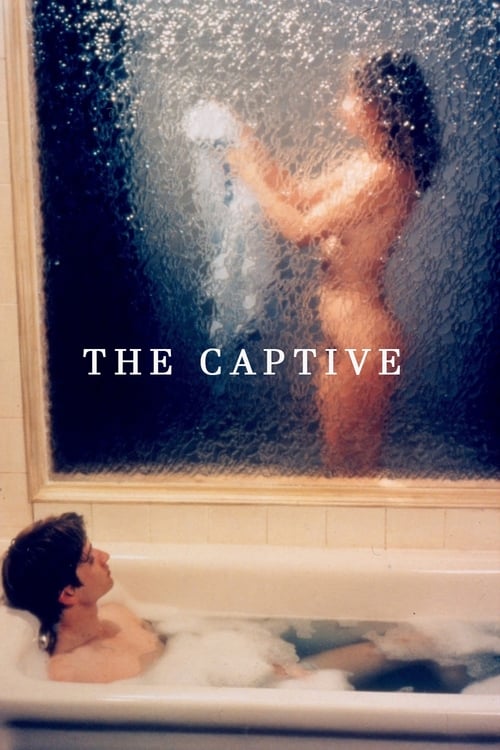
2000
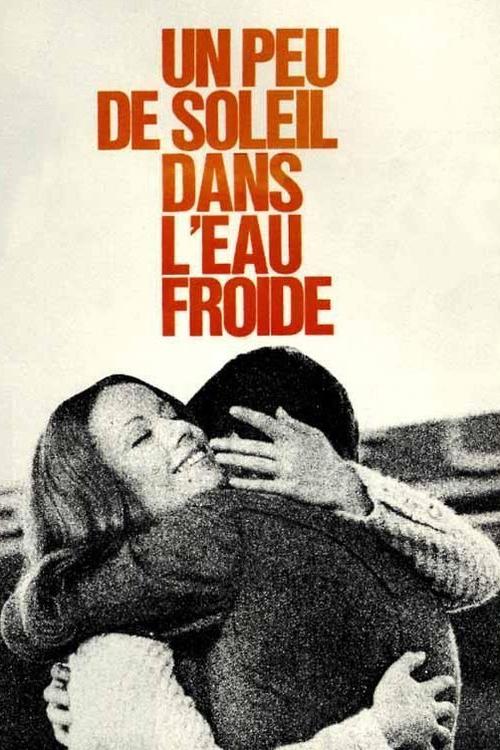
1971
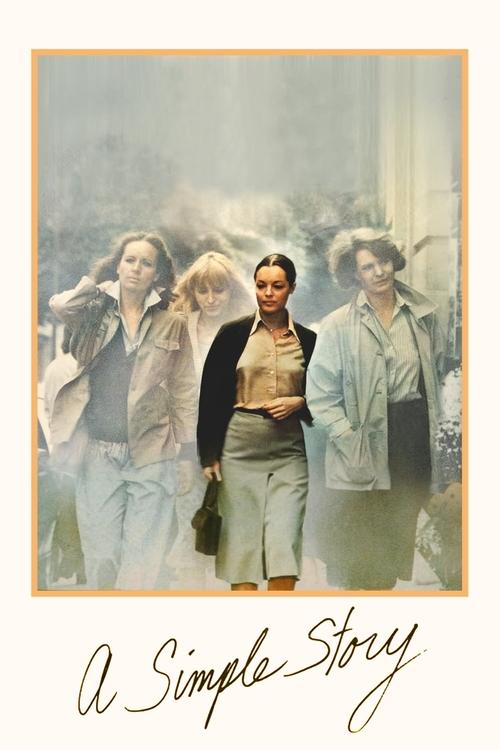
1978
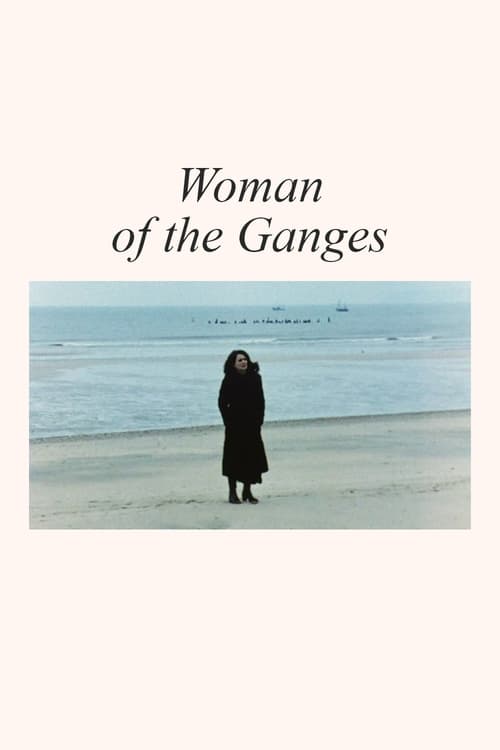
1974
No reviews yet. Be the first to share your thoughts on this movie!
Use the rating form above to leave a star rating and optional review.