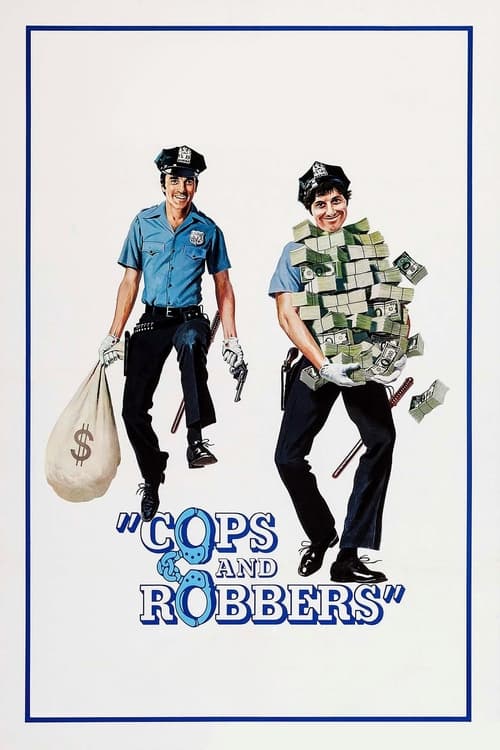
Cops and Robbers
1973
No user ratings available yet
Representation score: 3.6 out of 10
Representation Score
Minimal
1898
Not RatedDirector
Alice Guy-Blaché
Runtime
1 minutes
Average Rating
No ratings yetNew Showbiz Analysis
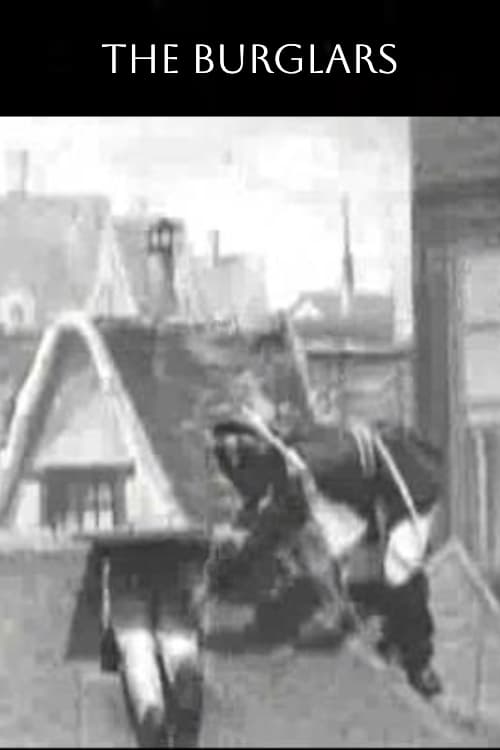
The film is a foundational artifact of early cinema that prioritizes physical movement and comedic chases over social or cultural commentary. It lacks the narrative complexity required to address most modern diversity vectors on screen. Its primary significance lies in its production history. Alice Guy-Blaché’s presence as a director provides a singular point of disruption against the historical norm of male-dominated filmmaking, even if this does not translate to diverse characterization. Ultimately, the work remains a traditional, genre-focused short that reflects the homogeneous demographics of its time.
Category Breakdown
The film focuses entirely on the mechanics of a theft and a subsequent chase. There are no depictions of same-sex relationships or non-binary gender identities.
The film lacks complex female character arcs or high female visibility on screen. However, Alice Guy-Blaché’s role as a female director disrupts the era's male-dominated production hierarchies.
The cast reflects the homogeneous demographics typical of late 19th-century European urban settings. There is no evidence of diverse casting or challenging racial stereotypes.
The narrative uses burglary to drive action and comedy rather than offering a critique of Western institutions. It functions as a kinetic demonstration rather than a vehicle for social commentary.
There are no discernible depictions of physical or neurodivergent identities within this brief silent short.
Present on Screen
Limited or Absent
Official Synopsis
Cops chase a pair of burglars on the rooftops of the city. Gaston Breteau filmed the original film in early 1898 for Lumiére, and also the remake in late 1898 for Gaumont.
1973
1968

1897
1977
1983
1924
1985
1974
No reviews yet. Be the first to share your thoughts on this movie!
Use the rating form above to leave a star rating and optional review.