
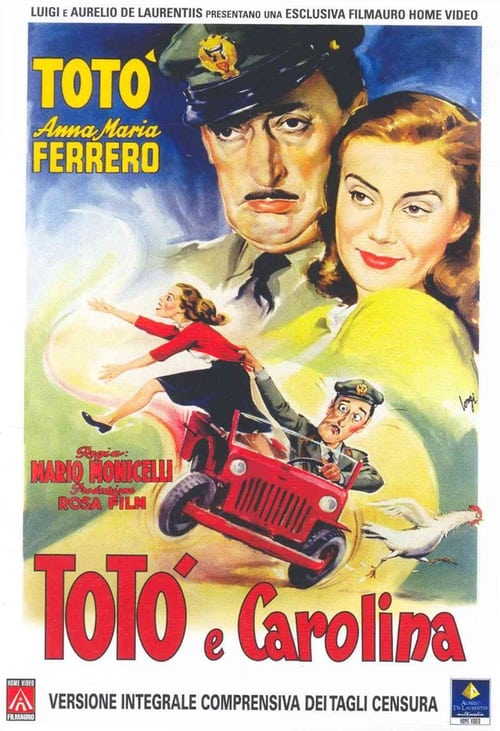
A Hero of Our Times
1955
No user ratings available yet
Representation score: 4.0 out of 10
Representation Score
Limited
1955
Director
Mario Monicelli
Runtime
93 minutes
Average Rating
No ratings yetNew Showbiz Analysis
Mario Monicelli uses social satire to dissect institutional rigidity and human frailty. While the film lacks modern multi-layered breadth regarding race and LGBTQ+ identities, it offers a progressive critique of mid-20th-century authority. The film's strength lies in its subversion of state power and its focus on a underrepresented female character's autonomy. By prioritizing human connection over bureaucratic duty, the story challenges the sanctity of law enforcement. However, the work remains limited by the historical context of its era, presenting an ethnically homogeneous cast and a strictly straight-centered social framework.
Category Breakdown
The film centers on heterosexual relationships between a male officer and a female runaway. There are no LGBTQ+ identities or queer romantic arcs in the plot.
Carolina displays a significant role in driving the story by defying social expectations and running away. Her refusal to conform to domesticity disrupts traditional depictions of submissive femininity.
The cast and setting are ethnically homogeneous, reflecting the localized social landscape of 1955 Italy. The film does not engage with racial or ethnic diversity.
The narrative critiques institutional pillars by satirizing the police force. It explores moral relativism through a protagonist who chooses empathy over rigid professional duty.
There are no prominent depictions of physical or neurodivergent disabilities that serve as central character traits or drive the narrative.
Present on Screen
Limited or Absent
Official Synopsis
During a police raid at Villa Borghese, the agent, a widower named Antonio Caccavallo, stays to get better acquainted with the young Carolina.
1955
1955
1960

1952
1960
1958
1953

1963
No reviews yet. Be the first to share your thoughts on this movie!
Use the rating form above to leave a star rating and optional review.