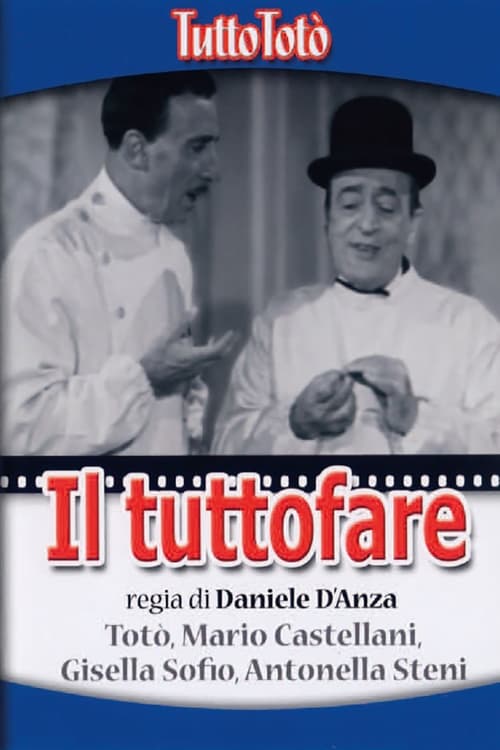
Tutto Totò - Il tuttofare
1967
No user ratings available yet
Representation score: 3.0 out of 10

Representation Score
Limited
1967
Director
Daniele D'Anza
Runtime
0 minutes
Average Rating
No ratings yetNew Showbiz Analysis
Tutto Totò - Il grande maestro is a product of its era, reflecting the demographic and social constraints of 1960s European comedy. The film relies on the comedic subversion of authority and social hierarchies rather than intentional demographic diversity. While the film offers a critique of bureaucracy and class through satire, it remains ethnically and socially homogeneous. The representation of women and LGBTQ+ individuals follows the traditional, limited frameworks of the period's cinematic landscape.
Category Breakdown
The film adheres to the assumption that everyone is straight or cisgender, typical of 1960s Italian cinema. There is no evidence of non-cisgender identities or same-sex intimacy.
Female characters like Giusi Raspani Dandolo appear, but often occupy secondary or domestic roles. While farce may briefly disrupt gender norms, it lacks systemic subversion.
The production reflects the ethnic homogeneity of the late 1960s Italian film industry. The cast lacks diverse racial or non-Mediterranean representation.
The narrative critiques class distinctions and middle-class pretensions through Italian farce. It uses the protagonist as a social outsider to mock rigid institutions.
There is no evidence of characters with visible or invisible disabilities serving as central narrative drivers or plot devices.
Present on Screen
Limited or Absent
1967

1980
1967
1981
1967
1967
1967
1968
No reviews yet. Be the first to share your thoughts on this movie!
Use the rating form above to leave a star rating and optional review.