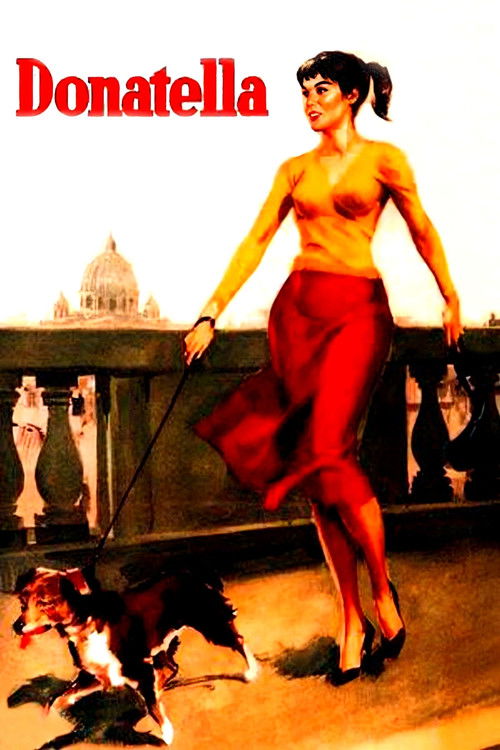
Donatella
1956
No user ratings available yet
Representation score: 4.5 out of 10
Representation Score
Limited
1955
Director
Mario Monicelli
Runtime
85 minutes
Average Rating
No ratings yetNew Showbiz Analysis
Mario Monicelli’s work uses satire to deconstruct post-war Italian social structures. By presenting a flawed protagonist, the film critiques traditional masculinity and virtue. While the film lacks diverse representation regarding race and LGBTQ+ identities, it successfully disrupts gendered power dynamics. The presence of a female authority figure in a managerial position provides a departure from standard mid-century clichés. Ultimately, the film is a product of its historical context, focusing on domestic Italian life. It offers a more complex, morally relativistic view of social roles instead of idealized family structures.
Category Breakdown
The film does not include any explicit LGBTQ+ characters or narratives. The central romantic tension follows a traditional structure where the protagonist pursues Marcella.
Mrs. De Ritis stands out as a subversion of mid-century gender roles, holding managerial power as a widow. However, the protagonist's motivations remain tied to conventional romantic pursuits.
The production reflects the demographic homogeneity of 1955 Italy. The narrative focuses on domestic social strata without showing multi-ethnic or non-European identities.
The film critiques traditional heroism by centering a fearful, selfish protagonist. This disrupts idealized mid-century virtues and presents a more dysfunctional, realistic domestic unit.
There are no visible or invisible disabilities portrayed in the narrative. No information is available regarding the inclusion of neurodivergence or physical disabilities.
Present on Screen
Limited or Absent
Official Synopsis
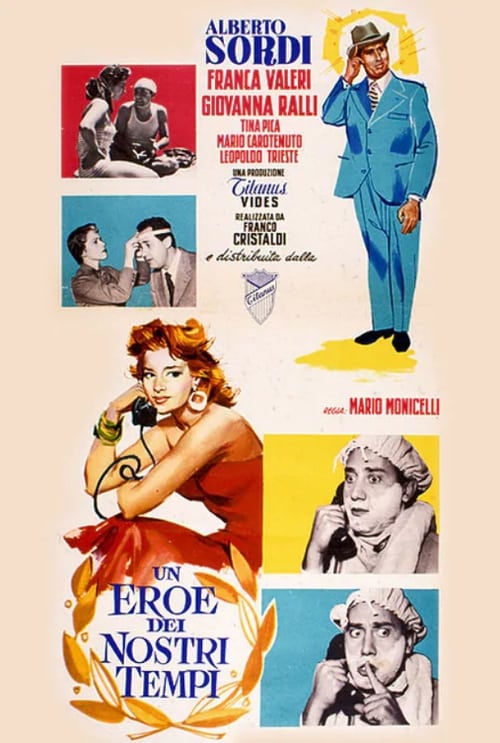
Alberto Menichetti lives with an aunt and an old housekeeper, Clotilde; he has a job in a firm and his boss is Mrs. De Ritis, a widow whose husband was killed during a wild boar hunt. She likes him but Alberto likes Marcella; she is under age and he is awaiting her birthday to declare his love. His greater traits are to be fearful of everything and to be selfish. This nature will get him into trouble..
1956
1977
1955

1982
1955

1950
1952
1964
No reviews yet. Be the first to share your thoughts on this movie!
Use the rating form above to leave a star rating and optional review.