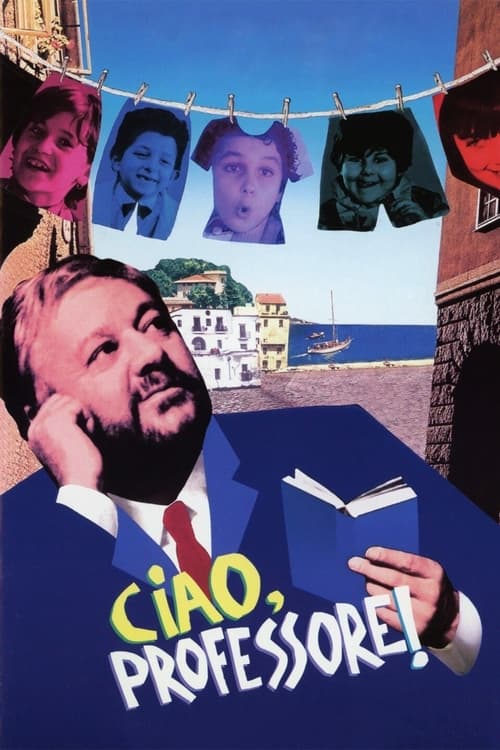
Ciao, Professore!
1992
No user ratings available yet
Representation score: 5.9 out of 10
Representation Score
Fair
1972
Director
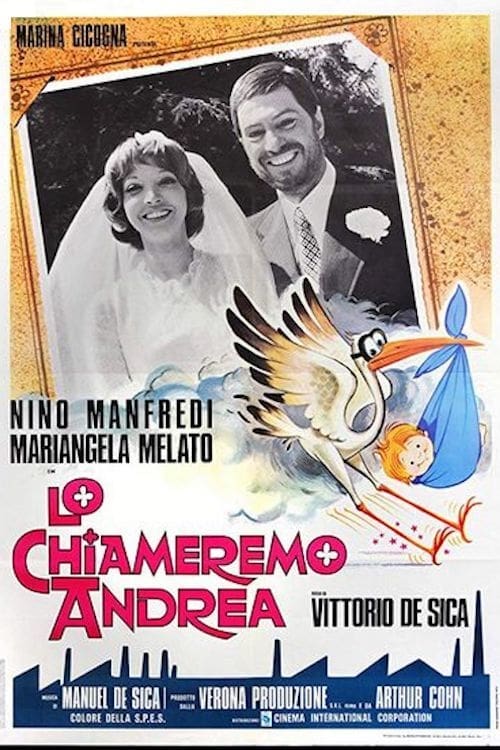
Vittorio De Sica
Runtime
105 minutes
Average Rating
No ratings yetNew Showbiz Analysis
Vittorio De Sica’s work adheres to traditional narrative structures, focusing on a character-driven study of domestic longing. While the film avoids overt harmful stereotypes, it does not actively challenge conventional social hierarchies or prioritize diverse identities. The film serves as a mid-century romantic comedy centered around a heterosexual couple, emphasizing traditional Western values of the time.
Category Breakdown
The story focuses on a heterosexual relationship between two teachers. There are no characters with non-binary or LGBTQ+ identities, and the film does not critique the assumption that everyone is straight or cisgender.
Maria is shown as a professional teacher, which is a departure from traditional domestic roles. However, the film does not explore the specific power dynamics between characters.
The film reflects the demographics of 1970s Italy, showing a traditional Western European society without any evidence of promoting racial hierarchies.
The plot delves into personal struggles with infertility and the desire for parenthood, emphasizing the sanctity of the family unit. It prioritizes individual emotional experiences over broader cultural contexts.
The narrative does not include any characters facing physical, neurodivergent, or mental health challenges.
Present on Screen
Limited or Absent
Official Synopsis
Paolo and Maria are two elementary teachers, who love each other, but can not have a child.
1992
1964
1972
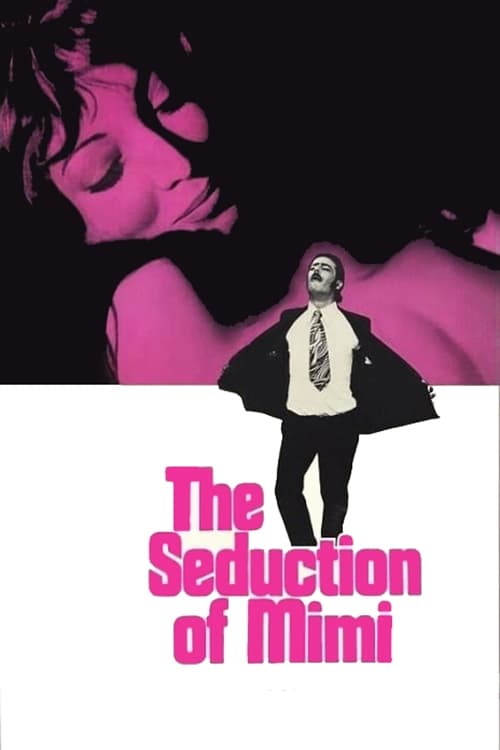
1972
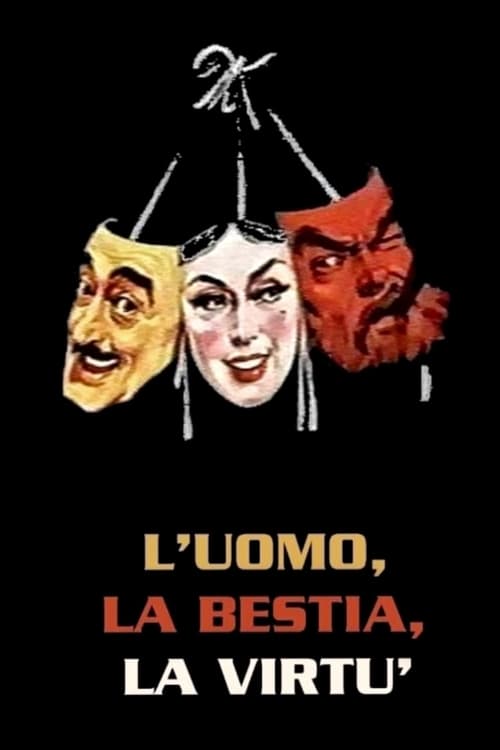
1953
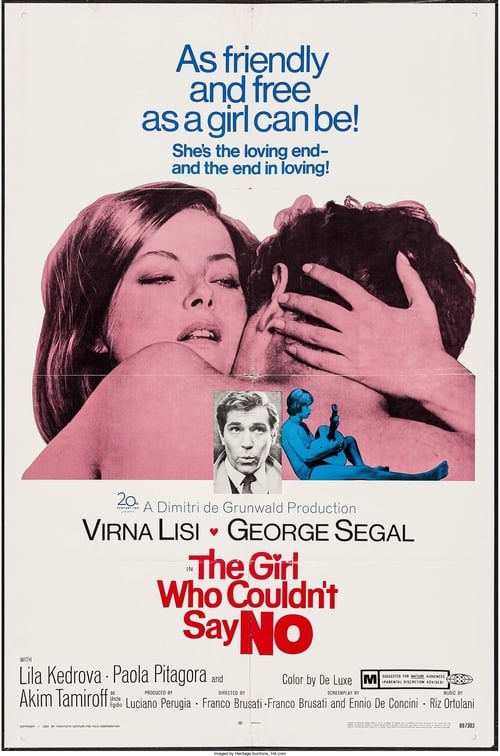
1968
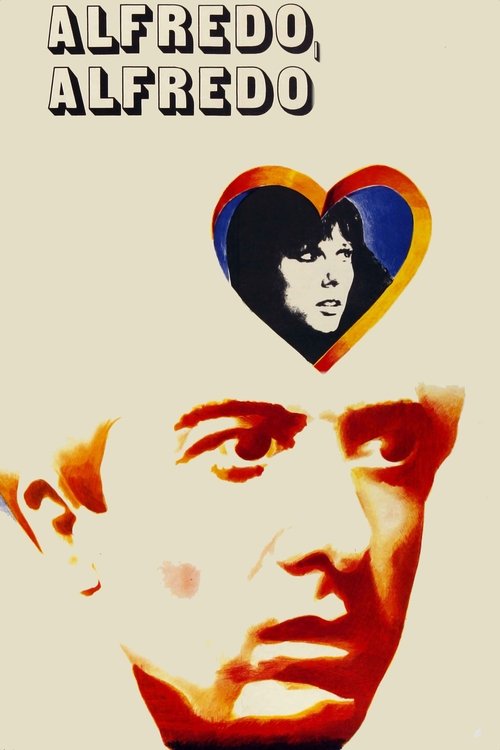
1972
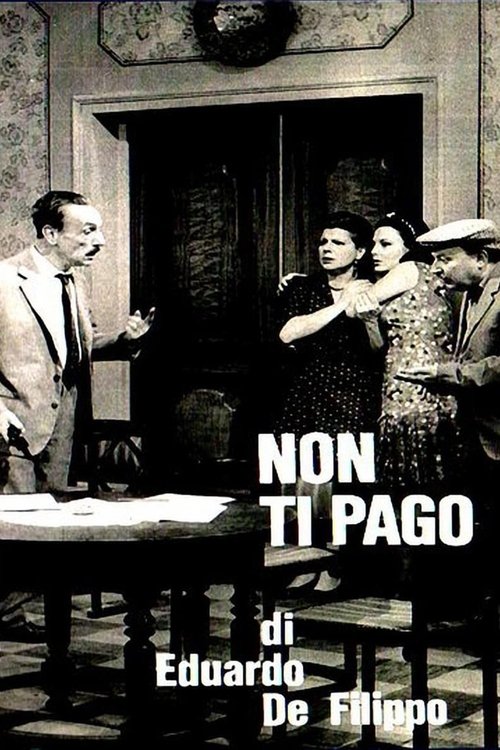
1964
No reviews yet. Be the first to share your thoughts on this movie!
Use the rating form above to leave a star rating and optional review.