Champagne for Breakfast
1935
No user ratings available yet
Representation score: 2.8 out of 10
Representation Score
Minimal
1939
ApprovedDirector
Ralph Murphy
Runtime
85 minutes
Average Rating
No ratings yetNew Showbiz Analysis
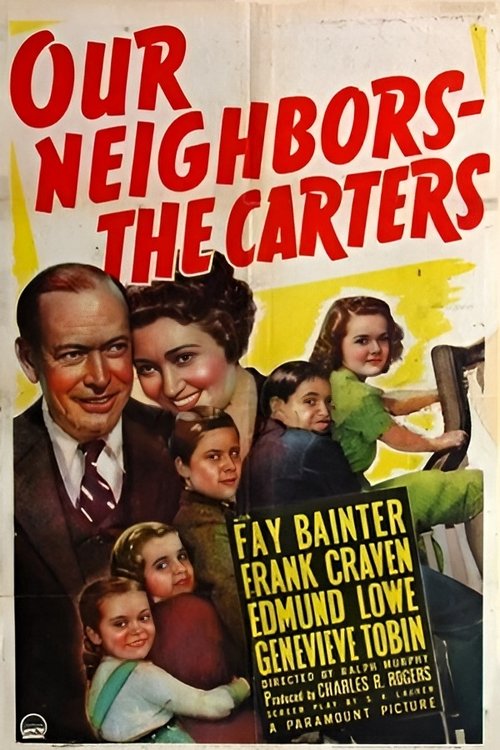
This 1939 comedy-drama reflects the restrictive social norms of its time, focusing on a small-town drugstore owner. The narrative adheres to the conventional family and social structures of the era. Without specific character breakdowns, the film lacks complexity in representing diverse identities. It seems to follow the homogenous and straight-centered standards typical of American cinema in the 1930s. Ultimately, the film lacks the systemic critique or diverse casting needed to go beyond a baseline depiction of mid-century Western domesticity.
Category Breakdown
The film does not include any characters with non-binary or transgender identities. It follows the strict heterosexual norms typical of 1939 cinema.
The story revolves around a drugstore owner, a role traditionally associated with male dominance. There is no indication of women taking leading roles or challenging gender hierarchies.
The synopsis does not mention any diverse or non-white actors. It appears to depict a homogeneous white family, which was common in the era.
The setting focuses on traditional small-town values and morality. The plot suggests a conventional family dynamic without broader cultural critique.
There is no information about characters with visible or invisible disabilities.
Present on Screen
Limited or Absent
Official Synopsis
A small town drugstore owner considers selling one of his children for money.
1935
1942
1936
1948
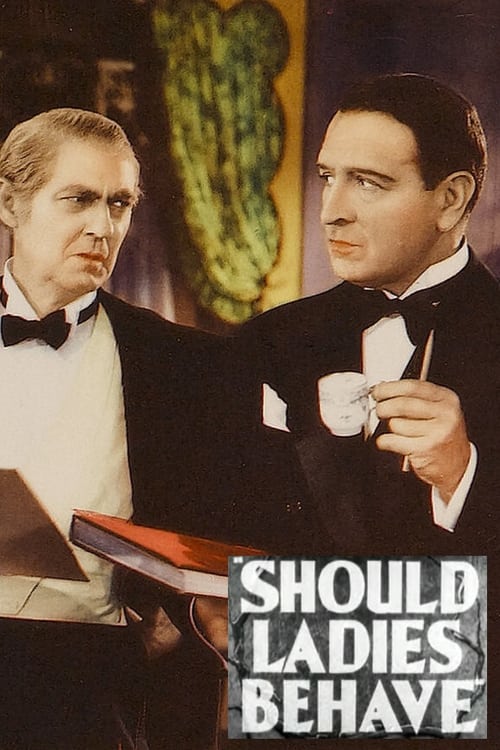
1933
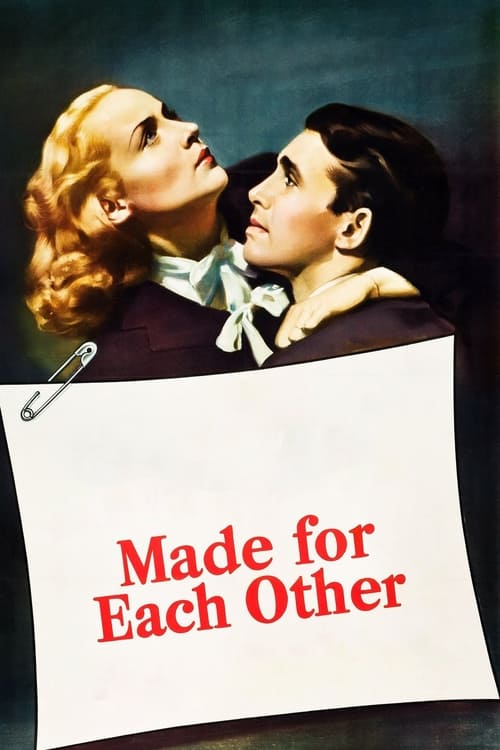
1939
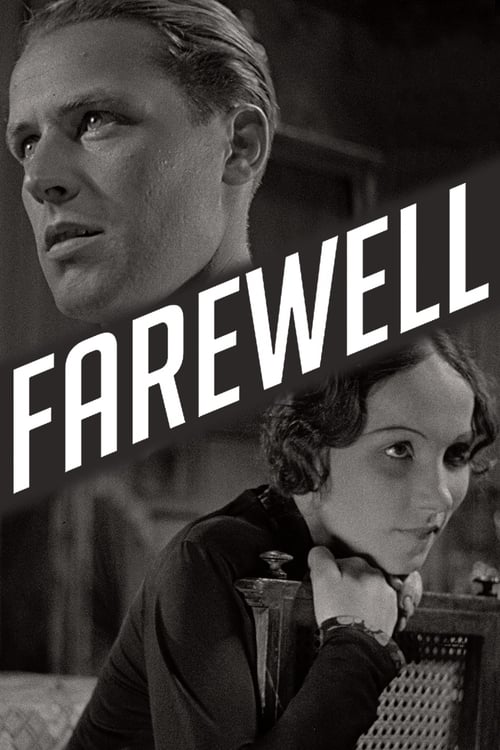
1930
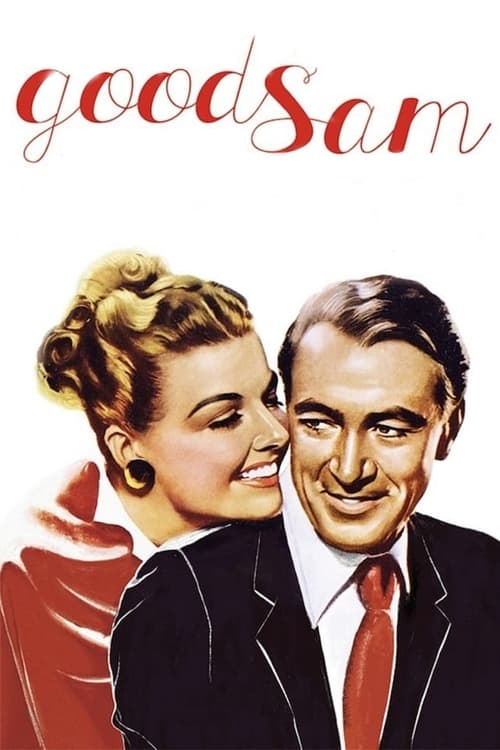
1948
No reviews yet. Be the first to share your thoughts on this movie!
Use the rating form above to leave a star rating and optional review.