
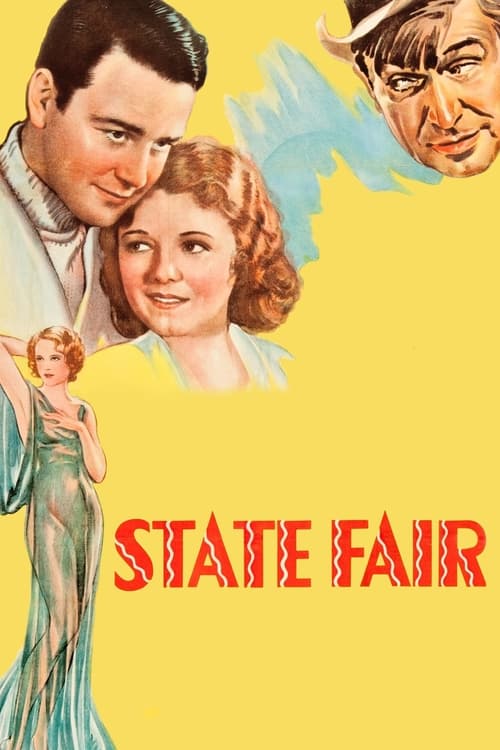
State Fair
1962
No user ratings available yet
Representation score: 0.4 out of 10
Representation Score
Minimal
1933
NRDirector
Henry King
Runtime
97 minutes
Average Rating
No ratings yetNew Showbiz Analysis
State Fair serves as a quintessential example of early studio-era Americana. The film prioritizes a cohesive, traditional view of rural life that reinforces the social and racial hierarchies of the 1930s. While the film captures the spirit of communal celebration, it offers almost no disruption to conventional social expectations. The narrative structure upholds established cultural norms rather than exploring identity-based complexities. Ultimately, the work functions as a celebration of a singular, culturally uniform experience, providing little room for diverse perspectives or challenging the era's social scripts.
Category Breakdown
The film strictly follows the social norms of the 1930s, focusing on traditional courtship and relationships. There is no representation of same-sex intimacy or non-straight identities.
Female characters play significant roles in their romantic pursuits, but the film still adheres to traditional gender roles and social scripts of courtship and domesticity.
The cast is primarily Anglo-Saxon, reflecting the homogeneous demographics of rural Iowa. The story lacks diverse ethnic backgrounds and multi-layered casting.
The narrative celebrates traditional Western agrarian life and the stability of the nuclear family. It emphasizes communal social structures through the lens of the state fair.
There is no representation of physical or neurodivergent identities. Characters are portrayed through a lens of able-bodiedness typical of early cinematic standards.
Present on Screen
Limited or Absent
Official Synopsis
The children of Iowa farmers find love, with mixed results, at the state fair.
1962
1927
1936
1936
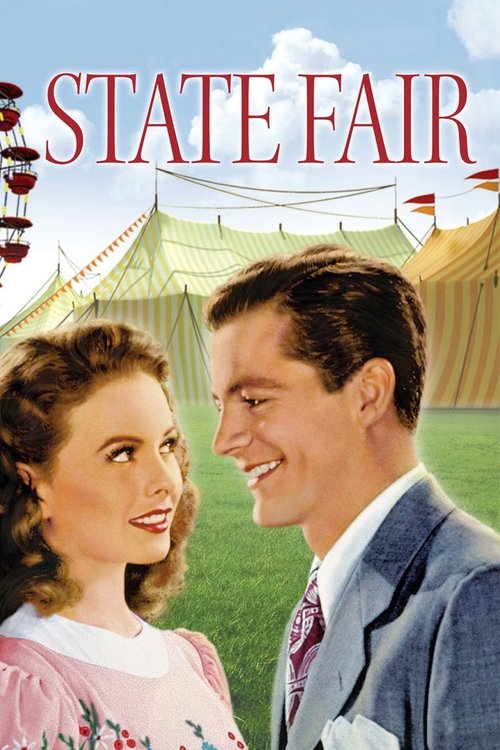
1945
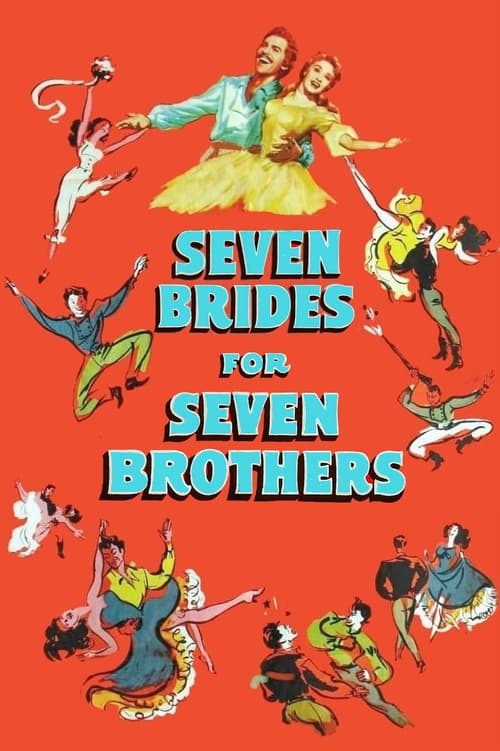
1954
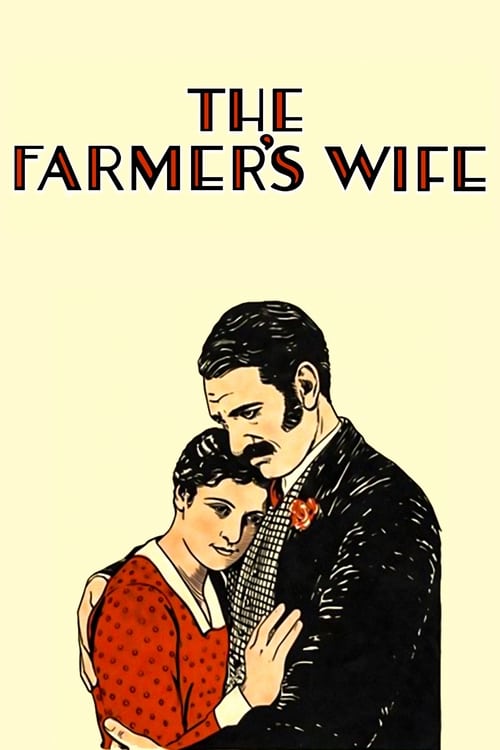
1928
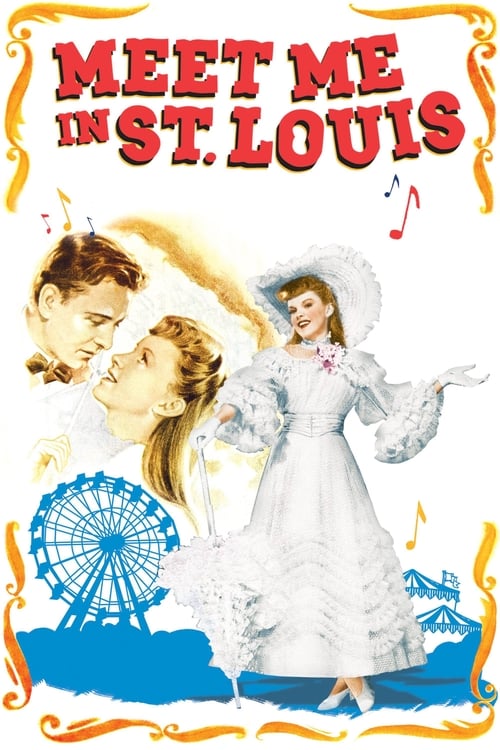
1944
No reviews yet. Be the first to share your thoughts on this movie!
Use the rating form above to leave a star rating and optional review.