George Washington Cohen
1928
No user ratings available yet
Representation score: 2.0 out of 10
Representation Score
Minimal
1948
NRDirector
Allan Dwan
Runtime
87 minutes
Average Rating
No ratings yetNew Showbiz Analysis
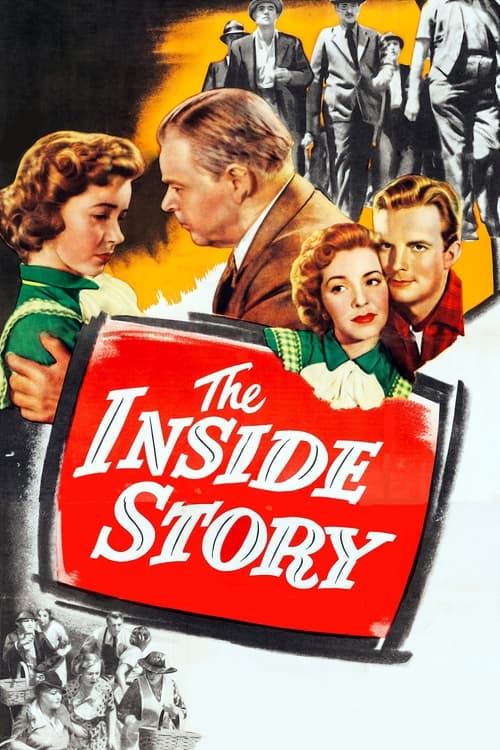
The Inside Story is a traditional mid-century comedy that adheres to the social norms of 1948. The plot centers on local economic conflicts and situational mishaps without challenging systemic power structures. The narrative architecture reinforces period-specific gender and social roles, lacking the intention to offer characters who reflect more than one aspect of diversity or critique traditional demographics. Ultimately, the film serves as a conventional period piece, prioritizing a traditional framework over diverse perspectives or modern social critique.
Category Breakdown
The film follows a traditional framework that assumes everyone is straight and cisgender. There are no representations of diverse gender identities or critiques of gender norms.
The main plot revolves around male characters, particularly the collection agent and the farmer. Female characters seem to play minor or domestic roles without much influence on the story.
The town setting suggests a uniform demographic typical of 1948. There is no indication of diverse casting or exploration of ethnic backgrounds.
The story emphasizes traditional Western values related to business and property. It upholds a conventional moral framework without questioning societal institutions.
The narrative does not include any characters with visible or invisible disabilities. There is no representation of neurodivergence or physical disabilities.
Present on Screen
Limited or Absent
Official Synopsis
A collection agent arrives in a small town with $1000 for a local farmer. Whilst waiting for the farmer to arrive the money is put in a safe at a hotel for safe keeping. However, it is removed by mistake and solves a number of financial problems before it is returned.
1928
1942
1915
1940
1939
1940
1940
1938
No reviews yet. Be the first to share your thoughts on this movie!
Use the rating form above to leave a star rating and optional review.