Hands Across the Table
1935
No user ratings available yet
Diversity score: 1.4 out of 10
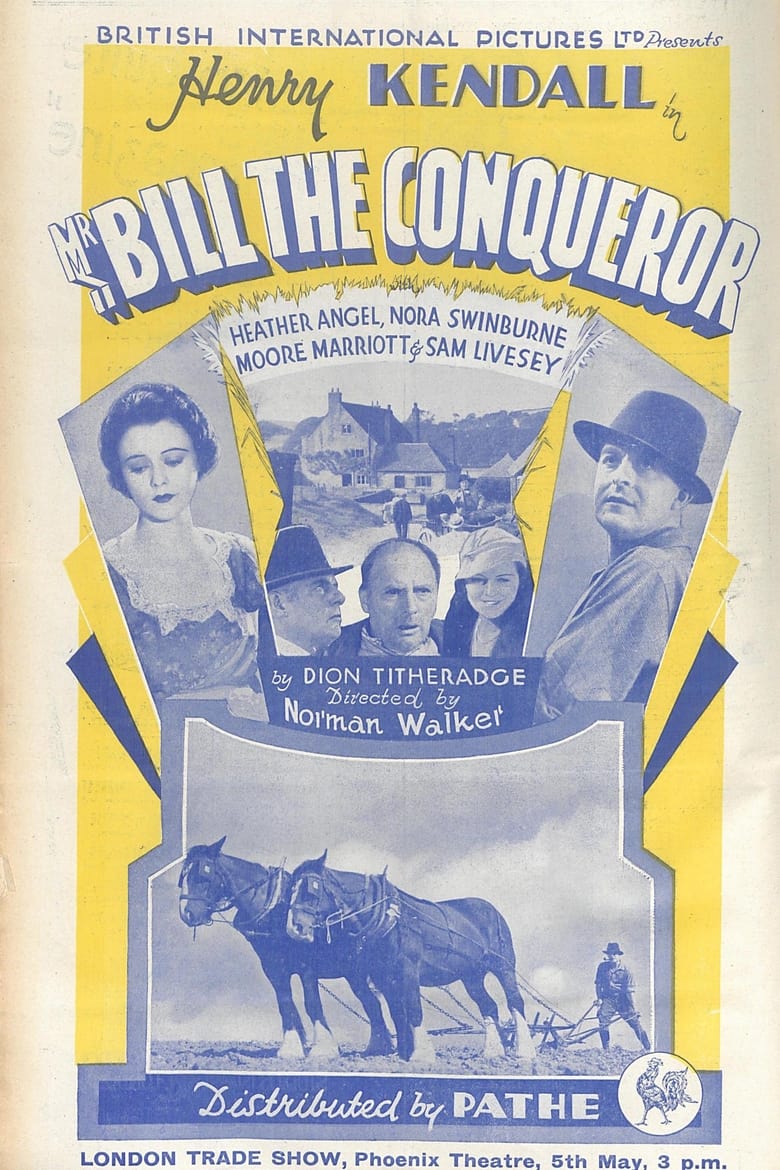
1932
UDirector
Norman Walker
Runtime
87 minutes
Average Rating
No ratings yetSynopsis
A British comedy film directed by Norman Walker
Overall Score
Minimal
Category Breakdown
LGBTQ+ Representation
The film lacks any depiction of non-cisnormative gender identities. It appears to adhere to the social constraints of 1932, which typically excluded such narratives.
Gender Representation
The production likely relies on traditional gender hierarchies common to early 1930s romance and comedy. There is no evidence of women exercising significant agency or subverting masculine leadership.
Racial & Ethnic Diversity
As a British comedy from this era, the film likely features a homogeneous, Anglo-Saxon cast. No significant non-white representation is documented.
Religious & Cultural Diversity
The narrative reinforces traditional Western institutions and social hierarchies. It shows no signs of deconstructing Western morality or prioritizing secularist perspectives.
Disability Representation
There is no evidence of characters with visible or invisible disabilities. No nuanced integration of disability is present in the narrative.
Strengths
Areas for Improvement
AI Analysis
Mr. Bill the Conqueror is a product of early sound-era British studio standards, reflecting the limited social perspectives of 1932. The film functions within traditional cinematic frameworks, offering little in the way of progressive or intersectional storytelling. The lack of diversity is largely a reflection of its historical context. The production appears to favor homogeneous casting and conventional social roles, reinforcing the demographic norms of the early 20th century. Without evidence of subverted hierarchies or diverse character arcs, the film remains a standard example of its era's mainstream comedy-drama genre.
1935
1937
1952

1933
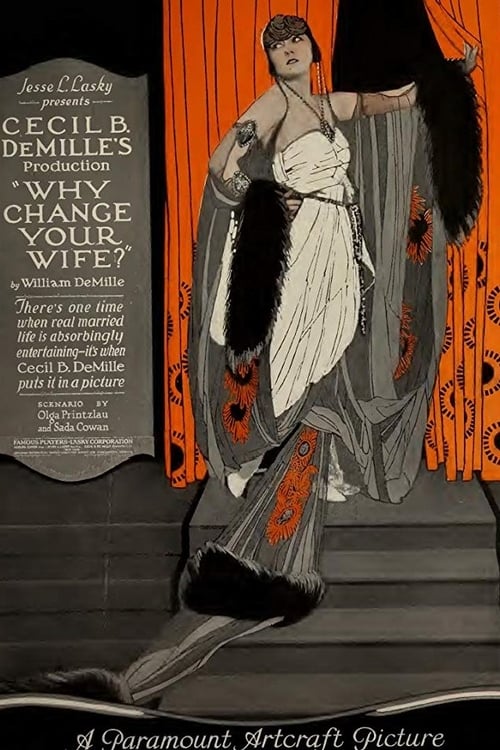
1920
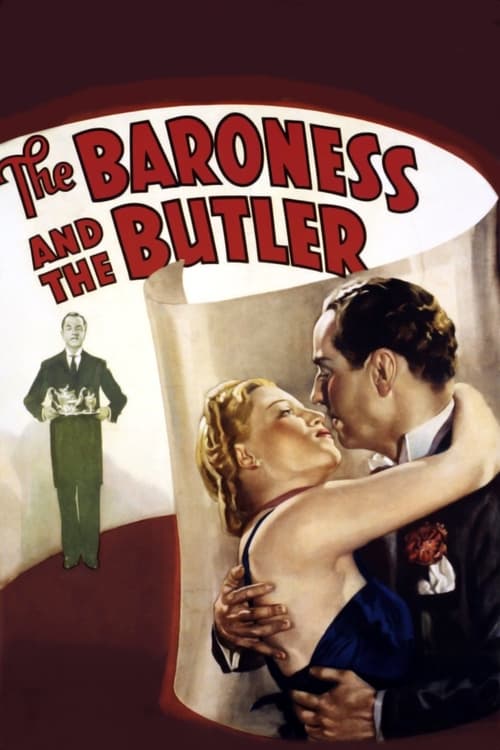
1938
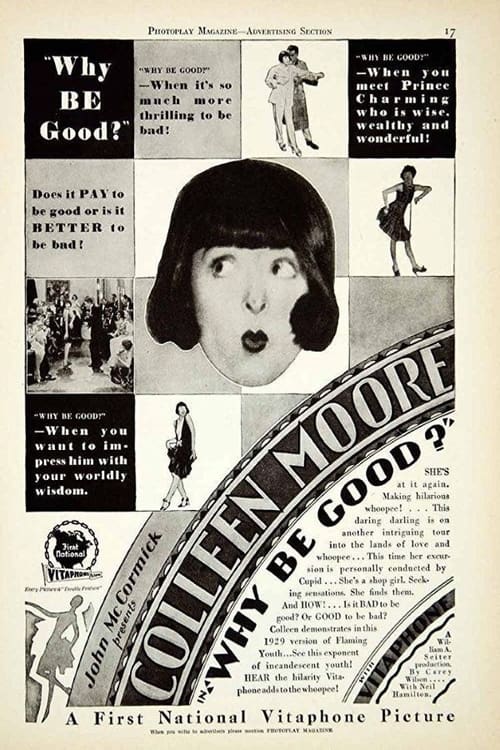
1929
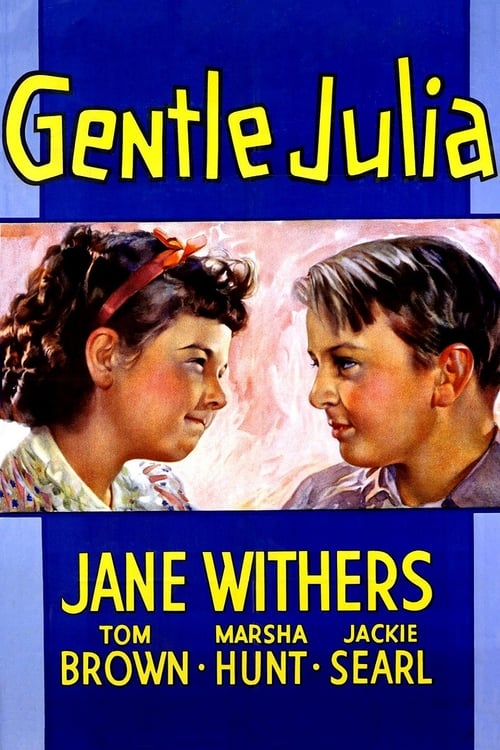
1936
1935
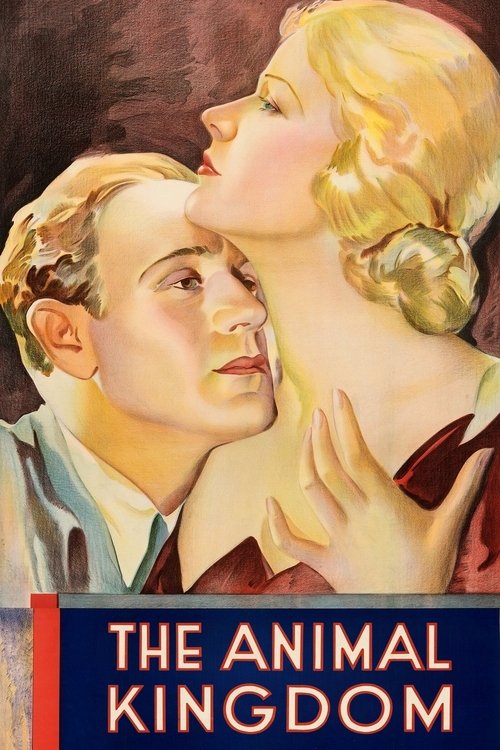
1932
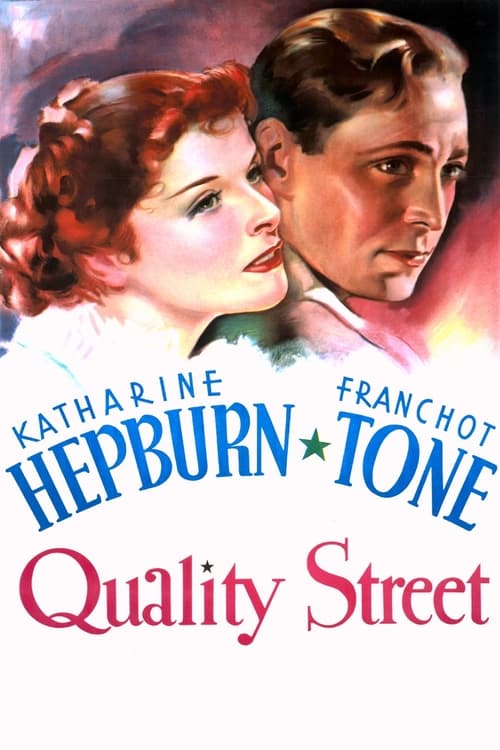
1937
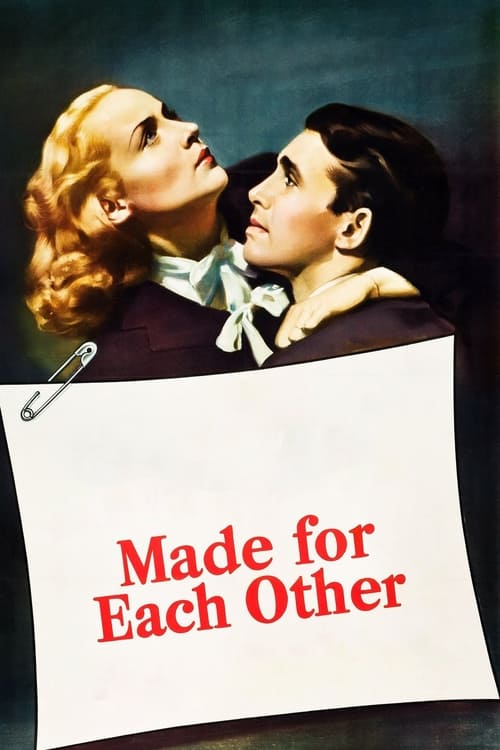
1939
No reviews yet. Be the first to share your thoughts on this movie!
Use the rating form above to leave a star rating and optional review.