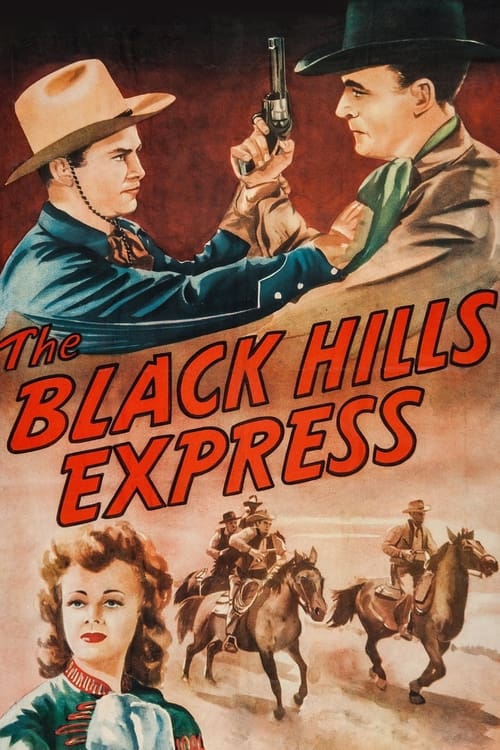
Black Hills Express
1943
No user ratings available yet
Representation score: 1.4 out of 10
Representation Score
Minimal
1941
ApprovedDirector
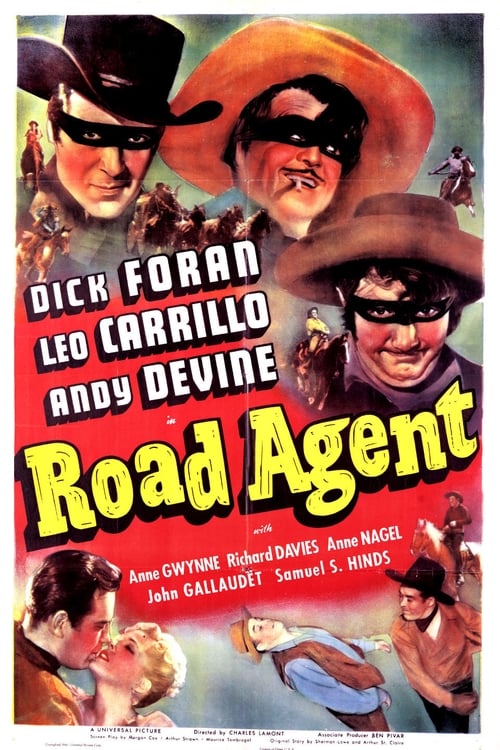
Charles Lamont
Runtime
60 minutes
Average Rating
No ratings yetNew Showbiz Analysis
Road Agent is a typical 1941 Western that closely follows the genre conventions of its time. The film prioritizes traditional storytelling and frontier archetypes over any attempts to challenge social hierarchies. The narrative centers on a male-dominated trio of drifters who take on roles of law enforcement. While the inclusion of a character of color in a deputy role offers some ethnic representation for the period, the film remains anchored in the era’s standard racial and gender dynamics. Overall, the film serves as a conventional genre piece, reinforcing established Western institutions and moral dichotomies without exploring diverse identities or progressive themes.
Category Breakdown
The film follows the standard social structures of 1941 and does not include any LGBTQ+ characters or narratives.
The story revolves around a male-dominated trio holding positions of authority. The narrative emphasizes traditional masculine leadership.
The inclusion of Pancho, a character of Mexican heritage, adds ethnic diversity to the main group. However, Pancho's role may still follow traditional sidekick clichés.
The plot upholds traditional Western social structures and concepts of justice centered around law and order.
The film does not feature any characters with visible or invisible disabilities.
Present on Screen
Limited or Absent
Official Synopsis
Summarily accused of murder, drifters Duke (Foran), Pancho (Carrillo) and Andy (Devine) are tossed into the hoosegow, only to be released when their alibi checks out. Far from offended by his ill treatment, Duke agrees to take the job of sheriff, retaining Pancho and Andy as his deputies. The gruesome threesome then sets about to solve a series of mysterious Wells Fargo robberies
1943
1942
1937

1944
1946
1946
1935
1944
No reviews yet. Be the first to share your thoughts on this movie!
Use the rating form above to leave a star rating and optional review.