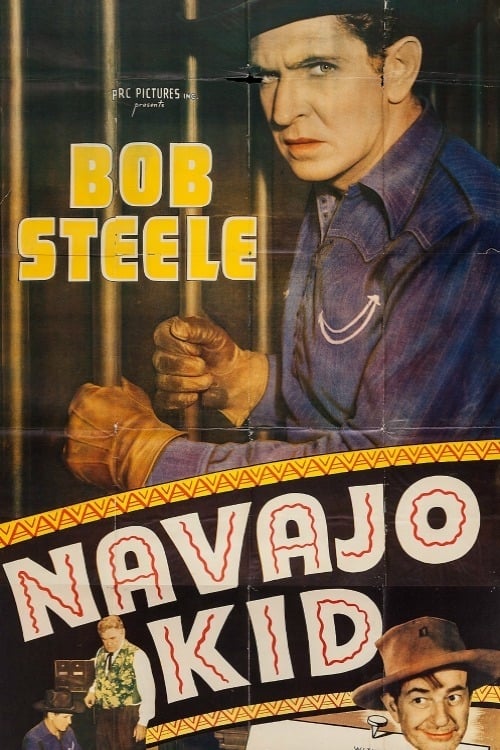
Navajo Kid
1945
No user ratings available yet
Diversity score: 2.8 out of 10

1945
PassedDirector
Frank McDonald
Runtime
66 minutes
Average Rating
No ratings yetSynopsis
U.S. Deputy Marshal Roy investigates the disappearance of a government agent who has come to Dale's father's Ladder A Ranch. The bad guys want the land the ranch sits on because they know an oil pipeline is planned through this location.
Overall Score
Limited
Category Breakdown
LGBTQ+ Representation
The film contains no discernible LGBTQ+ characters or non-heteronormative expressions. It adheres to mid-century standards by focusing on traditional masculine archetypes.
Gender Representation
Narrative agency is concentrated almost exclusively in the male protagonist. Female presence is minimal and secondary, serving peripheral roles that do not challenge patriarchal structures.
Racial & Ethnic Diversity
A Navajo character is included but functions primarily as a narrative ally to the white protagonist. This follows 1940s tropes where Indigenous agency is tethered to the hero.
Religious & Cultural Diversity
The plot emphasizes the sanctity of land ownership and the legitimacy of legal authority. It lacks critique of Western expansionism, focusing instead on preserving traditional institutions.
Disability Representation
There are no significant depictions of physical or neurodivergent disabilities. Characters are defined by the physical capabilities required by the Western genre.
Strengths
Areas for Improvement
AI Analysis
Along the Navajo Trail functions as a reinforcement of mid-century social norms. The narrative prioritizes the stability of traditional Western values, specifically property rights and patriarchal leadership. While the film provides a baseline of ethnic visibility through a Navajo character, the power dynamics remain firmly rooted in a traditionalist framework. Marginalized characters serve to validate the protagonist's heroism rather than driving the story through independent agency. The film's focus on law enforcement and ranch protection reinforces established social hierarchies of the era.
1945
1944
1941
1951
1948
1944
1940
1939

1942
1966
1948
1942
No reviews yet. Be the first to share your thoughts on this movie!
Use the rating form above to leave a star rating and optional review.