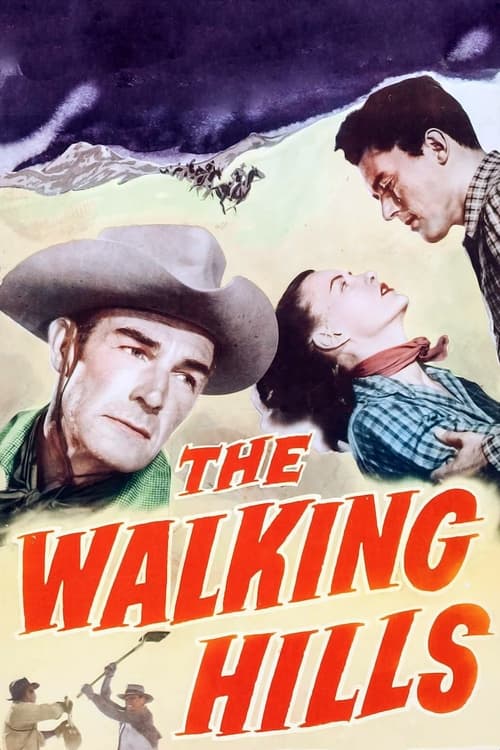
The Walking Hills
1949
No user ratings available yet
Diversity score: 2.4 out of 10
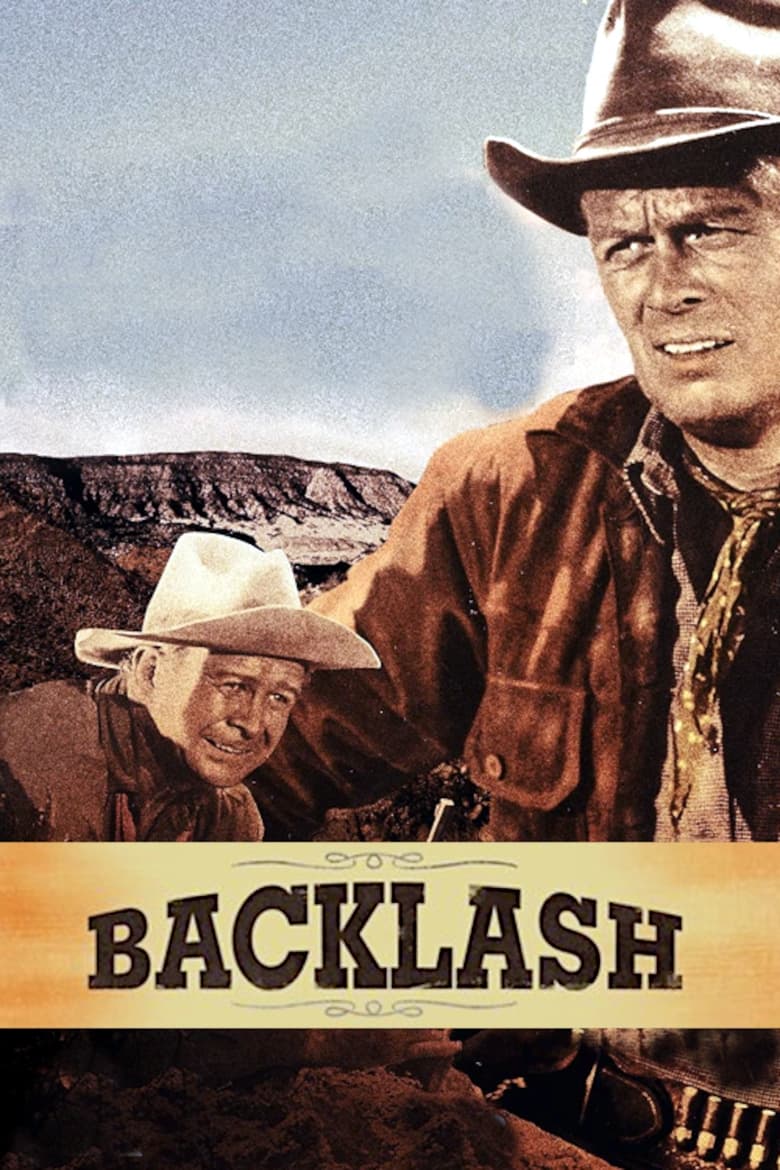
1956
NRDirector
John Sturges
Runtime
84 minutes
Average Rating
No ratings yetSynopsis
Jim Slater's father (whom he never knew) died in the Apache ambush at Gila Valley, and Jim is searching for the one survivor, who supposedly went for help but disappeared with a lot of gold. In the process, he gets several people gunning for him, and he keeps meeting liberated woman Karyl Orton, who may be on a similar mission. Renewed Apache hostilities and an impending range war provide complications.
Overall Score
Limited
Category Breakdown
LGBTQ+ Representation
The film operates within the strict heteronormative constraints typical of 1956 cinema. There is no evidence of LGBTQ+ characters or non-heteronormative narratives present.
Gender Representation
Karyl Orton is introduced as a liberated woman with agency and an independent mission. However, her role remains secondary to the male-driven plot of vengeance.
Racial & Ethnic Diversity
The story centers on Apache hostilities and historical ambushes. While Indigenous characters drive the conflict, the film likely relies on established mid-century cinematic tropes.
Religious & Cultural Diversity
The narrative upholds conventional Western values of frontier survival and personal vendettas. It focuses on territorial disputes rather than critiquing expansionist institutions.
Disability Representation
There is no discernible evidence regarding the portrayal of physical or neurodivergent disabilities within the story.
Strengths
Areas for Improvement
AI Analysis
Backlash is a traditional mid-century Western that adheres closely to the genre's established social and cinematic hierarchies. The narrative focuses on rugged individualism, personal vengeance, and the pursuit of gold, reflecting the standard values of 1950s Hollywood. While the film offers a slight departure from feminine archetypes through Karyl Orton's independent characterization, the core structure remains male-centric. The inclusion of Apache characters serves as a primary driver for conflict, yet the film stays within the era's conventional depictions of ethnic tension. Ultimately, the film functions as a period-accurate genre piece. It prioritizes high-stakes tension and traditional tropes over systemic subversion or diverse representation.
1949
1958
1953

1962
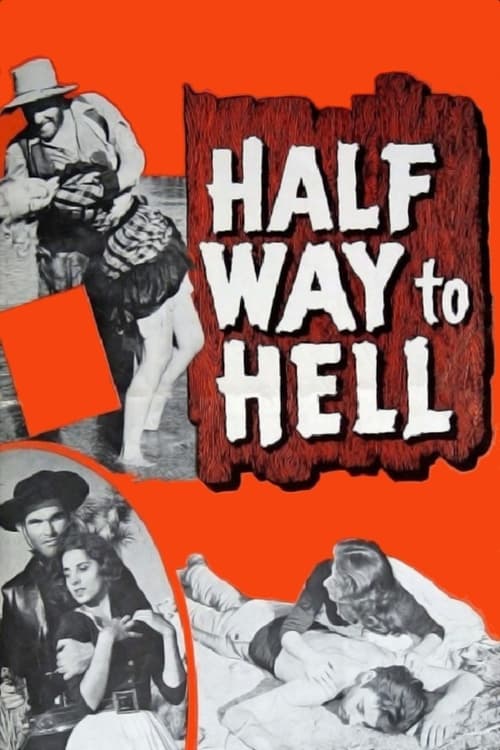
1960
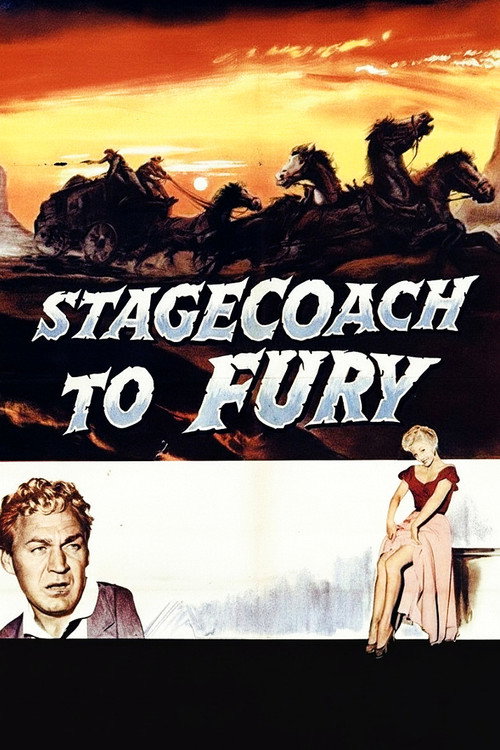
1956

1955
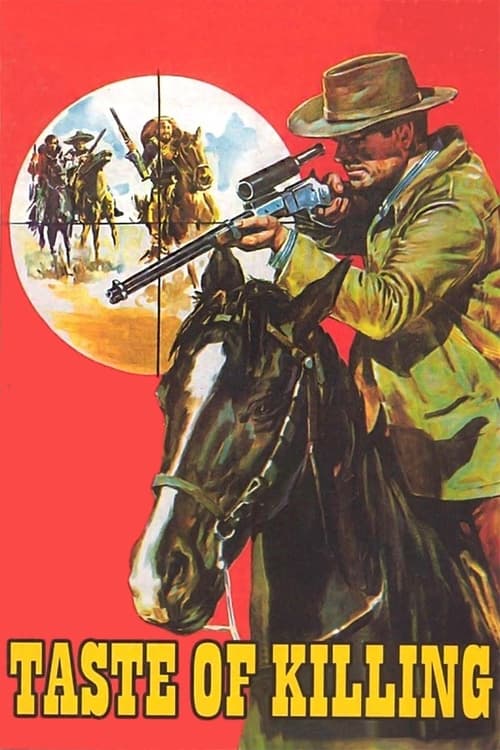
1966
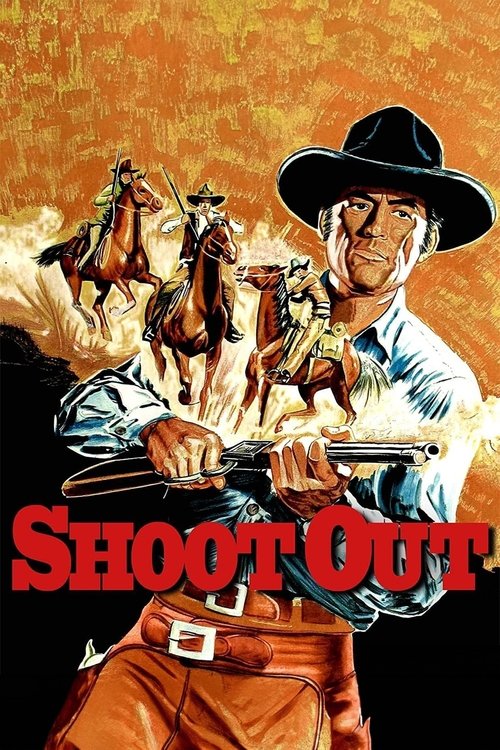
1971
1970
1965
1962
No reviews yet. Be the first to share your thoughts on this movie!
Use the rating form above to leave a star rating and optional review.