The New Car
1931
No user ratings available yet
Representation score: 0.5 out of 10
Representation Score
Minimal
1932
Director
Ub Iwerks
Runtime
7 minutes
Average Rating
No ratings yetNew Showbiz Analysis
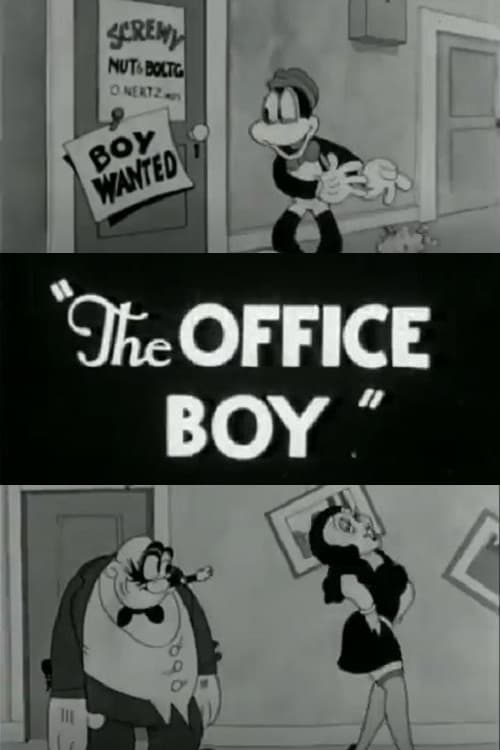
The Office Boy is a product of its era, serving primarily as a vehicle for slapstick comedy. Its narrative structure relies on traditional archetypes that prioritize physical humor over social complexity or diverse representation. The film adheres to the social frameworks of the early 1930s, presenting a homogeneous world. Character dynamics and settings reinforce standard mid-century hierarchies rather than challenging them. Ultimately, the short lacks the diverse representation or systemic critique necessary to move beyond a very low diversity score.
Category Breakdown
The film includes no LGBTQ+ characters or non-cisgender identities. The story revolves around traditional romantic interest in a female typist.
The male protagonist controls the narrative through his schemes, while the female typist remains a passive object of desire. This reflects traditional gender roles common in early slapstick comedy.
The cast is homogeneous, reflecting the casting standards of the early 1930s. There is no evidence of diverse ethnic representation within the depicted social environment.
The setting is a typical capitalist factory used as a backdrop for physical comedy. It lacks any critique of Western institutions or diverse cultural perspectives.
There are no characters with visible or invisible disabilities. No such identities are used as plot devices in this short.
Present on Screen
Limited or Absent
Official Synopsis
Flip schemes to get himself hired as an office boy at the Screwy Nuts & Bolts factory, especially because of the attractive typist. He starts well, using a cat's tongue to lick a stack of envelopes.
1931

1932
1923
1932
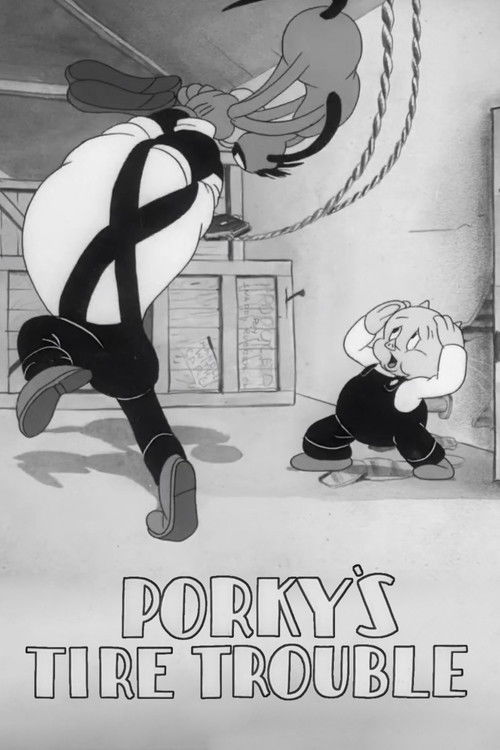
1939
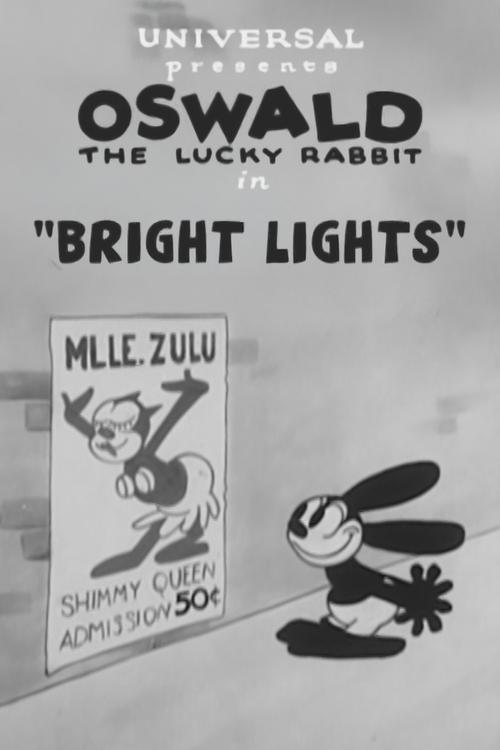
1928
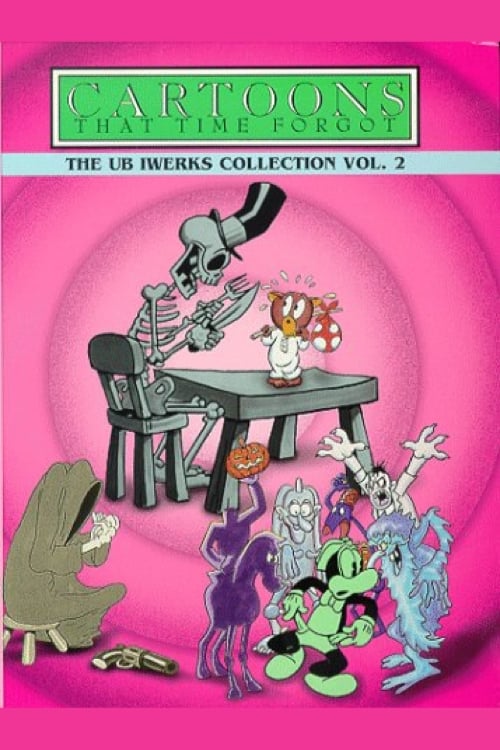
1931
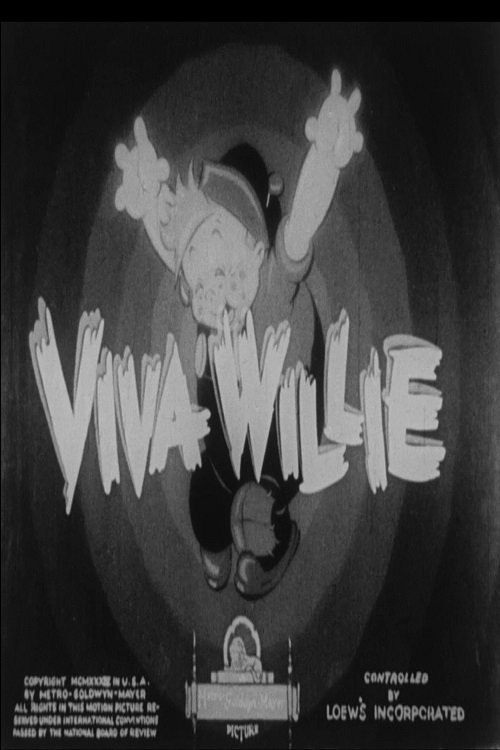
1934
No reviews yet. Be the first to share your thoughts on this movie!
Use the rating form above to leave a star rating and optional review.