Pluto and the Armadillo
1943
No user ratings available yet
Diversity score: 1.4 out of 10
1942
NRDirector
Clyde Geronimi
Runtime
7 minutes
Average Rating
No ratings yetSynopsis
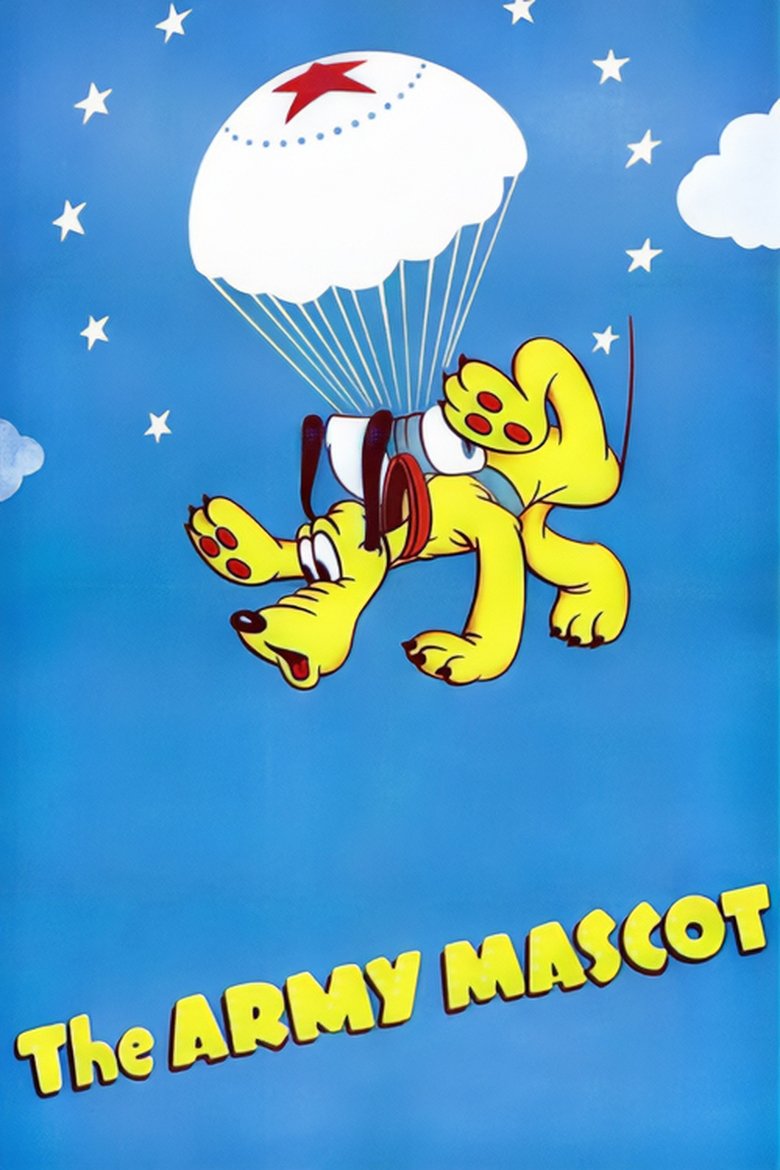
Pluto longs to be an Army mascot (especially after he sees how well they are fed) so he hatches a plan to take the place of the real mascot.
Overall Score
Minimal
Category Breakdown
LGBTQ+ Representation
The story focuses on Pluto's desire for food and status. There is no evidence of non-cisnormative identities or critiques of heteronormativity.
Gender Representation
As a short centered on a canine, gendered hierarchies do not drive the plot. The era's standards typically reinforced traditional roles without subverting power dynamics.
Racial & Ethnic Diversity
The narrative follows a singular character's journey in a military setting. It likely reflects the homogeneous casting standards of the early 1940s.
Religious & Cultural Diversity
The film centers on themes of institutional belonging within the Army. It functions within a framework of mid-century Western institutionalism.
Disability Representation
There is no indication that neurodivergence or physical disabilities are explored or utilized as central narrative elements.
Strengths
Areas for Improvement
AI Analysis
This 1942 short is a character-driven comedy focused on Pluto's slapstick attempts to become an Army mascot. The narrative prioritizes situational irony and material motivations over any form of social or identity-based exploration. The film adheres to the traditionalist animation standards of the early 1940s. It emphasizes institutional integration and comedic timing rather than deconstructing social hierarchies or presenting diverse perspectives. Ultimately, the work serves as a window into mid-century studio tropes, where the focus remains strictly on individual character whims within a structured military environment.
1943
1942
1942
1945
1941
1943
1948
1938

1934
1941

1939
1942
No reviews yet. Be the first to share your thoughts on this movie!
Use the rating form above to leave a star rating and optional review.