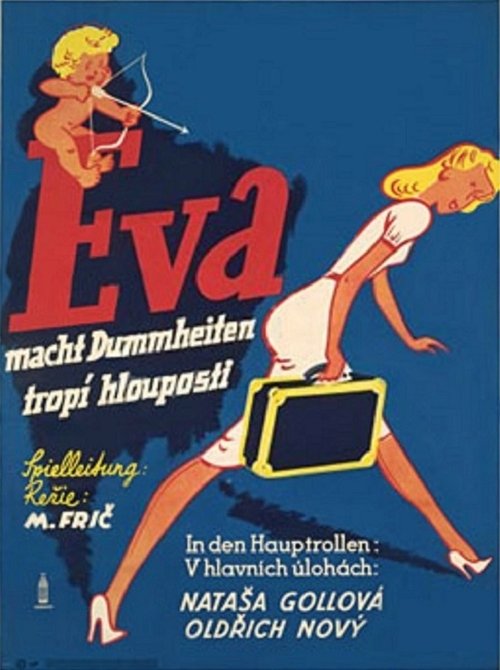
Eva Fools Around
1939
No user ratings available yet
Diversity score: 2.8 out of 10

1935
Director
Martin Frič
Runtime
82 minutes
Average Rating
No ratings yetSynopsis
Wealthy and ill Petr Kornel (Karel Hasler) is not pleased with the carousing lifestyle of his nephew. He stops supporting him financially and demands that he change his name. Out of gratitude Kornel bequeaths a substantial sum of money to his nurse Alice (Adina Mandlová) with the condition that she marries. Petr Suk (Hugo Haas), as the nephew is now named, visits the doctor. In the waiting room his X-ray is mistakenly switched with one of another patient's. On the basis of this he presently learns that he is seriously ill and has only one day of life left to him.
Overall Score
Limited
Category Breakdown
LGBTQ+ Representation
The film lacks LGBTQ+ characters or narratives that critique heteronormativity. The plot focuses on traditional romantic and familial structures.
Gender Representation
A male patriarch exerts significant financial control over his nephew and nurse. While Alice is a central figure, her agency is tied to a matrimonial requirement.
Racial & Ethnic Diversity
The production reflects the demographic homogeneity of 1935 Czech cinema. There is no indication of a multi-ethnic cast or diverse ethnic representation.
Religious & Cultural Diversity
The story reinforces traditional Western social values, focusing on inheritance and the sanctity of the family unit. It centers on established social institutions.
Disability Representation
A medical error regarding a terminal illness drives the comedic tension. However, the illness functions primarily as a narrative device for situational irony.
Strengths
Areas for Improvement
AI Analysis
Long Live the Dead Man is a product of its historical era, operating within a homogeneous social framework. The narrative relies on classical European comedic traditions and established social hierarchies rather than modern intersectional perspectives. The film's themes revolve around class dynamics, wealth management, and the stability of family lineage. It reinforces conventional social structures, such as the necessity of marriage for inheritance, rather than subverting them. Ultimately, the work lacks intentionality regarding the representation of diverse identities. It functions as a standard comedic exploration of circumstance and status within a localized European context.
1939
1941
1983
1933
1955
1935
1935
1938
1945
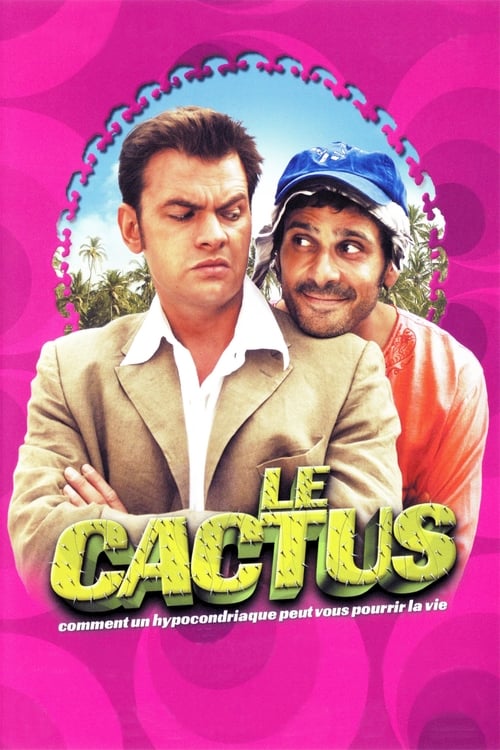
2005
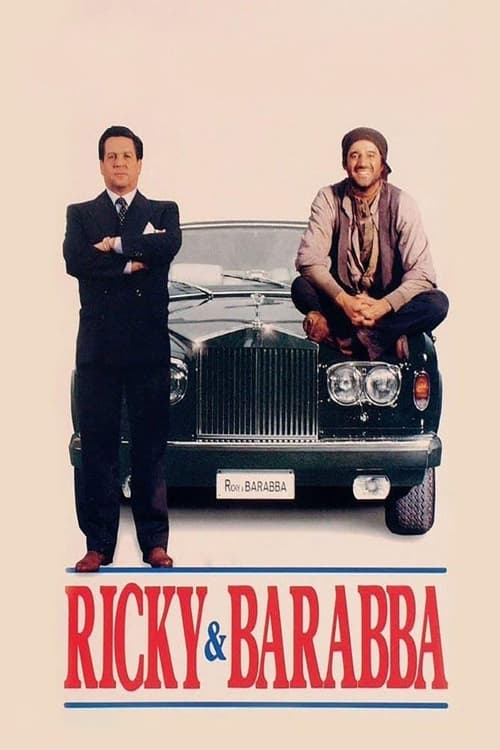
1992
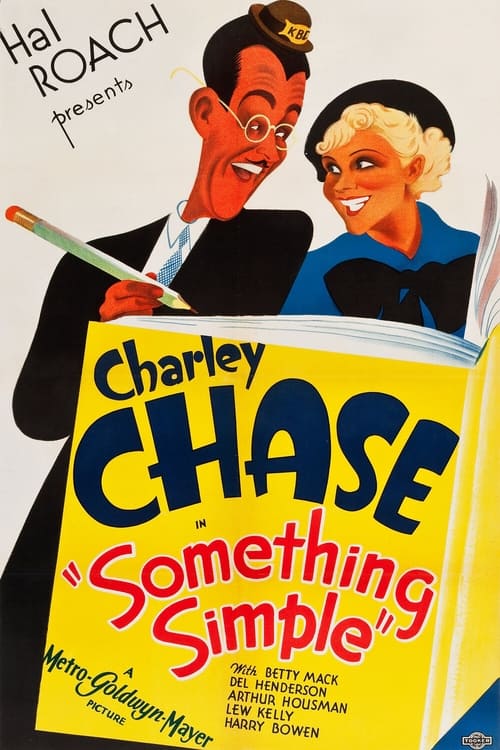
1934
No reviews yet. Be the first to share your thoughts on this movie!
Use the rating form above to leave a star rating and optional review.