So You Want to Enjoy Life
1952
No user ratings available yet
Representation score: 1.9 out of 10
Representation Score
Limited
1935
ApprovedDirector
Charley Chase, Jefferson Moffitt
Runtime
20 minutes
Average Rating
No ratings yetNew Showbiz Analysis
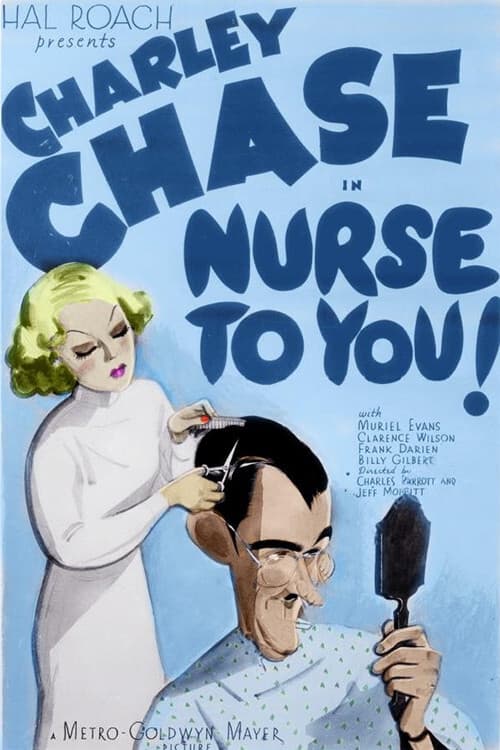
Nurse to You! is a classic example of 1930s situational comedy, emphasizing physical humor and slapstick over social commentary. The narrative revolves around a single male protagonist reacting to a medical diagnosis. The film lacks diverse representation, sticking to the demographic and gender norms of its era. It uses medical themes as comedic devices rather than exploring disability or identity in depth.
Category Breakdown
The film does not include any LGBTQ+ characters or non-straight relationships. The story follows a traditional comedic format focused on a single main character.
The story centers on a male protagonist dealing with a medical diagnosis. Female characters seem to fit traditional 1930s service-oriented roles.
The cast appears to be homogeneous, with no indication of diverse ethnicities or non-Anglo-Saxon characters. The film likely sticks to the casting norms of its time.
The plot follows a conventional Western storyline about mortality and individual choice. It operates within traditional moral frameworks without offering broader critiques.
A terminal illness serves as the central plot device, but it is used primarily for comedic effect rather than a deeper look at chronic illness.
Present on Screen
Limited or Absent
Official Synopsis
Cautious, frugal Charley is told by his insurance doctor that he has six months to live, and goes on to live life to the fullest.
1952

1937
1935
1964

1983
1935
1930
1950
No reviews yet. Be the first to share your thoughts on this movie!
Use the rating form above to leave a star rating and optional review.