Superchondriac
2014
No user ratings available yet
Representation score: 5.1 out of 10
Representation Score
Fair
2005
Not RatedDirector
Michel Munz, Gérard Bitton
Runtime
94 minutes
Average Rating
No ratings yetNew Showbiz Analysis
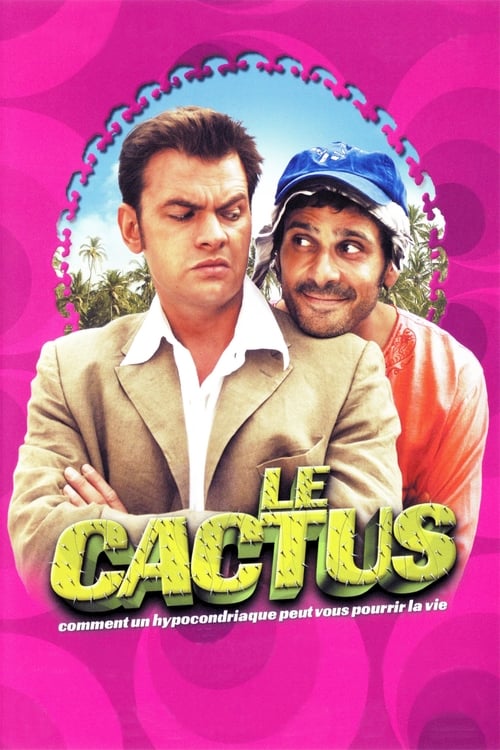
Le Cactus is a character-driven comedy that emphasizes situational irony over social commentary. The narrative focuses on the personal neuroses and misfortunes of its two male leads, leaving little room for systemic exploration. The film adheres to conventional storytelling structures. It relies on traditional clichés regarding friendship, gender roles, and Western perspectives on travel, which limits its engagement with diverse identities. Ultimately, the film operates as a typical genre piece. It lacks the intentionality needed to disrupt social hierarchies or offer nuanced representations of disability and culture.
Category Breakdown
The film centers on a strong platonic relationship between two male friends. It does not include explicit LGBTQ+ identities or challenge traditional friendship norms, focusing instead on conventional male friendships.
Male characters drive the narrative, while female characters play supporting roles or act as catalysts for male conflicts. The film does not challenge traditional gender hierarchies or give significant roles to female characters.
The story shifts to India, introducing non-Western settings and characters. However, it maintains a Western perspective on travel and alternative healing methods without addressing colonialist stereotypes.
The plot uses a foreign setting to create misunderstandings about medical practices. Local figures are portrayed primarily to serve the plot rather than providing a deeper cultural critique.
The story revolves around a fictional neurological condition used as a plot device. This risks trivializing medical conditions and fails to explore genuine neurodivergent experiences.
Present on Screen
Limited or Absent
Official Synopsis
Sami and Patrick are long-time friends. Sami is a hypochondriac. One day, following a misunderstanding at the hospital, Sami thinks he has an incurable neurological disease. He decides to live his last moments to the fullest and goes to India to be treated by a great local "doctor". In the meantime, his friend Patrick, who has been accompanying and supporting him without knowing that this illness is in fact fictitious, finds himself without a wife or job. The initial situation seems to be reversed; Patrick is out of luck and Sami seems less and less ill.
2014
2006
2023

2015

2018
2012
2001
1984
No reviews yet. Be the first to share your thoughts on this movie!
Use the rating form above to leave a star rating and optional review.