The Operation
1930
No user ratings available yet
Representation score: 2.4 out of 10
Representation Score
Minimal
1934
ApprovedDirector
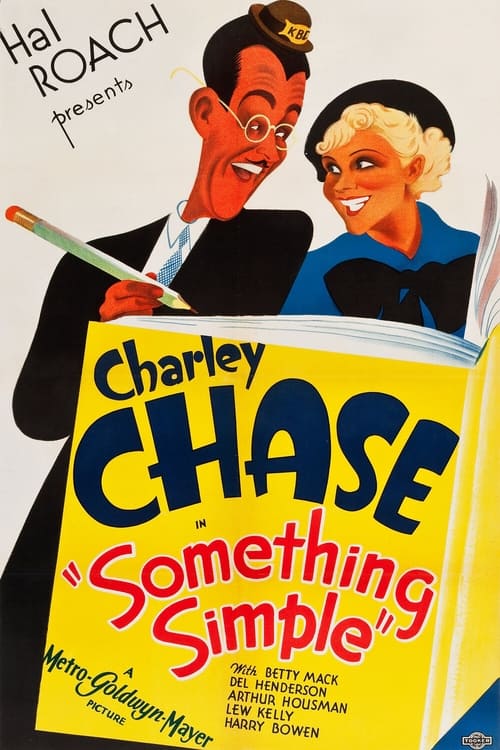
Charley Chase, Walter Weems
Runtime
18 minutes
Average Rating
No ratings yetNew Showbiz Analysis
This 1934 short film is a typical product of the studio system, prioritizing slapstick humor over deeper social commentary. The narrative structure reinforces the established hierarchies of the era rather than challenging them. The film relies on traditional romantic relationships and gender roles to drive its plot. A musical moment provides a resolution, reinforcing a standard marriage-based conclusion. Representation is limited by the era's demographic norms, resulting in a homogeneous cast and setting. Medical themes are used for comedic effect rather than meaningful character development.
Category Breakdown
The film depicts a conventional romantic relationship between the main character and another character's daughter. There are no representations of non-binary gender identities or same-sex relationships.
Gender roles in the film are traditional, with Betty's role tied to her family responsibilities and romantic outcomes. Female characters primarily serve as catalysts for male character development.
The cast is homogeneous, reflecting the demographics of 1930s American comedy. There is no indication of a multi-ethnic cast or diverse representation within the setting.
The story emphasizes traditional social institutions such as hotel conventions and the family unit. It functions as a light-hearted diversion within established norms.
Medical conditions like 'Tetra-Ethyl' and dizzy spells are used for slapstick humor. These ailments are not explored for their realistic impact on the characters' lives.
Present on Screen
Limited or Absent
Official Synopsis
Taken to a hospital, after suffering a dizzy spell, Charley is told by a 'nut', posing as a doctor, that he suffers from 'Tetra-Ethyl", and the only remedy is to sit down, relax, clear the mind and recite a nursery rhyme. The fake doctor gives Charley a package to deliver to Mr. Henderson, the "Supreme Crown of the Knights of the Brown Derby." At the hotel, hosting a convention of "Brown Derbies," Charley suffers a dizzy spell and the only place he can find to sit down is in Mr. Henderson's lap, where he recites "Mary Had a Little Lamb." Mr. Henderson, it is revealed, also suffers from "Tetra-Ethyl." Seized by an attack, Henderson sits down and tries to recite "Who Killed Cock Robin," but forgets the lines, which Charley and Henderson's daughter, Betty, sing in a song together. That, coming at the end of the second reel,is all it takes for Charley and Betty to decide to get married.
1930

1937
1914
1955
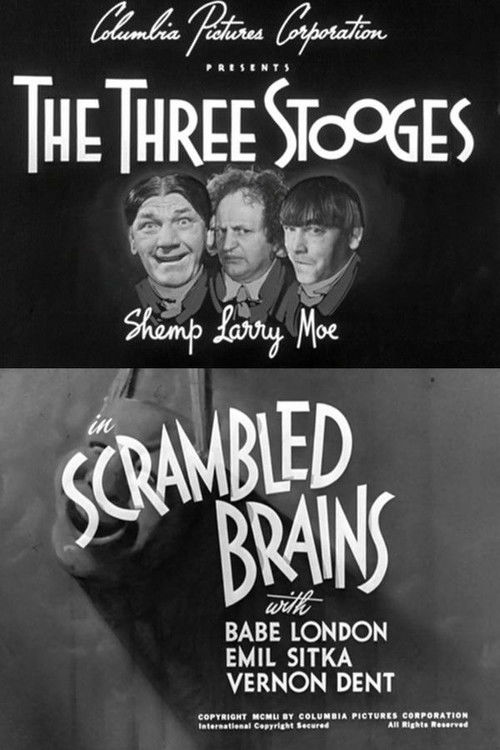
1951
1944
1948
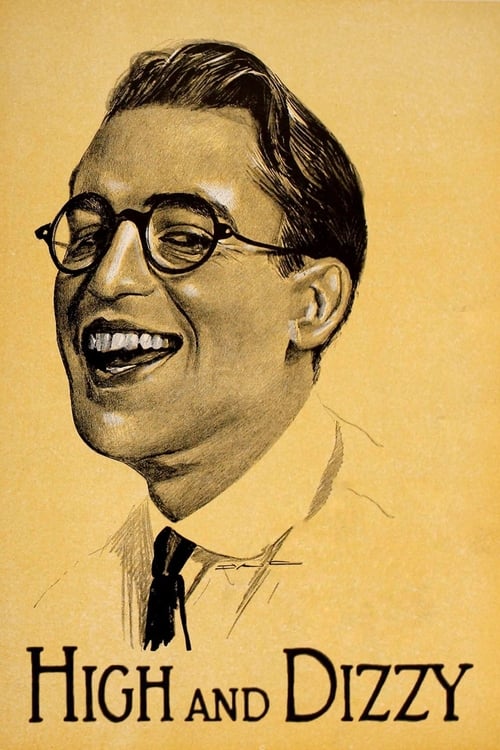
1920
No reviews yet. Be the first to share your thoughts on this movie!
Use the rating form above to leave a star rating and optional review.