
Paprika
1932
No user ratings available yet
Representation score: 1.0 out of 10
Representation Score
Minimal
1939
Director
Martin Frič
Runtime
90 minutes
Average Rating
No ratings yetNew Showbiz Analysis
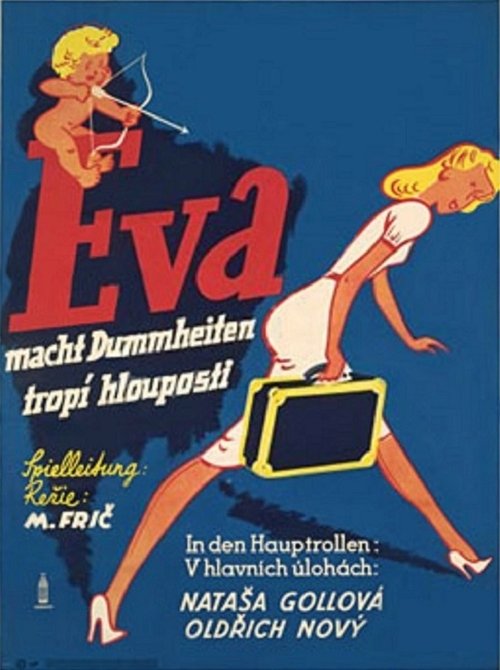
Eva Fools Around is a period-specific comedy that excels in character's ability to drive the story but lacks broad representation. The film's strength lies in its subversion of gendered expectations, presenting a female lead who drives the plot through deception and spiritedness rather than passivity. However, the film remains deeply rooted in the social constraints of 1939. It presents a culturally specific, localized environment that lacks racial, ethnic, or LGBTQ+ representation, adhering to the demographic homogeneity of its era. Ultimately, while the protagonist challenges social decorum, the narrative lacks engagement with broader systemic critiques or diverse identities, resulting in a score consistent with mainstream historical comedies.
Category Breakdown
The film follows traditional romantic pursuit patterns typical of screwball comedy. There is no evidence of non-straight identities or narratives that critique the assumption that everyone is straight or cisgender.
Eva disrupts 1930s feminine archetypes through her active role and mischief. She drives the plot, challenging the era's traditional hierarchy of passive female characters.
The cast is predominantly Czech, reflecting the demographic homogeneity of its historical context. The narrative does not engage with racial or ethnic diversity.
The story operates within traditional middle-to-upper-class social structures. It lacks systemic critiques, confining its anti-social elements to lighthearted comedic disruptions.
There is no visible evidence of characters with physical, sensory, or neurodivergent disabilities. Disability is not utilized as a plot device or central element.
Present on Screen
Limited or Absent
Official Synopsis
Eva's aunt is jealous of her neighbor's excellent roses and wants to know the secret. To help auntie out Eva applies for secretarial work at the neighbor's house in order to find out the formula. Things get complicated when it turns out that Eva's brother is in love with the daughter of the house and also wants to get in there under false pretenses.
1932
1940

1927
1940
1933
1938
1943
1942
No reviews yet. Be the first to share your thoughts on this movie!
Use the rating form above to leave a star rating and optional review.