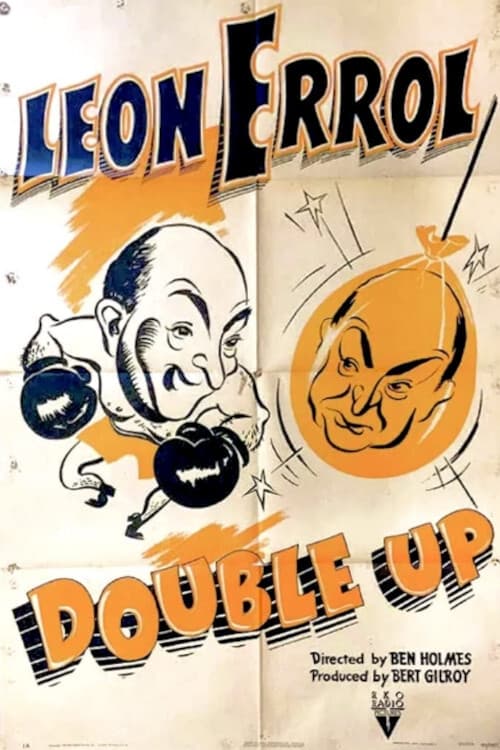
Double Up
1943
No user ratings available yet
Representation score: 0.5 out of 10
Representation Score
Limited
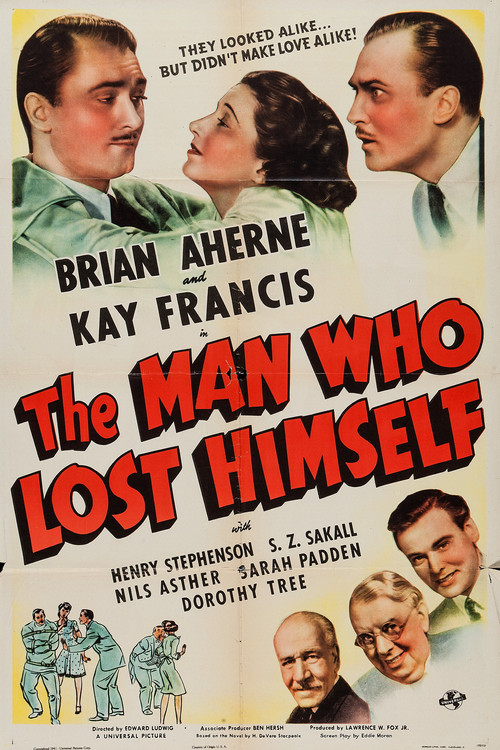
1941
NRDirector
Edward Ludwig
Runtime
72 minutes
Average Rating
No ratings yetNew Showbiz Analysis
This 1941 comedy operates within the social and narrative conventions of its time. It uses a classic identity-swap cliché to explore themes of wealth, status, and romantic restoration. The film focuses on a white, Eurocentric social world, lacking diverse representation. Character motivations revolve around protecting private property and maintaining traditional roles. While the story offers character-driven humor, it does not challenge systemic clichés. It serves as a typical studio-era production reinforcing the status quo.
Category Breakdown
The film adheres to traditional heterosexual relationships. The main romance revolves around a woman's love for a man and his physical double.
Gender roles follow conventional patterns. Adrienne handles her husband's estate, but the story concludes with her choosing a male companion for stability.
The cast is mostly white and focused on Anglo-American social circles. Despite being set in New York, there are no significant characters of color.
The story emphasizes Western institutions and capitalism. It centers on preserving a department store and upholding traditional marriage.
Mental health issues serve mainly as a plot device. Malcolm Scott's escape from an institution triggers the identity swap without exploring neurodivergence deeply.
Present on Screen
Limited or Absent
Official Synopsis
John Evans encounters his lookalike, Malcolm Scott. When Scott is killed in an accident, Evans finds himself mistaken for Scott and decides to do some good in his new role.
1943
1952
1945
1936

1933
1926

1964

1973
No reviews yet. Be the first to share your thoughts on this movie!
Use the rating form above to leave a star rating and optional review.