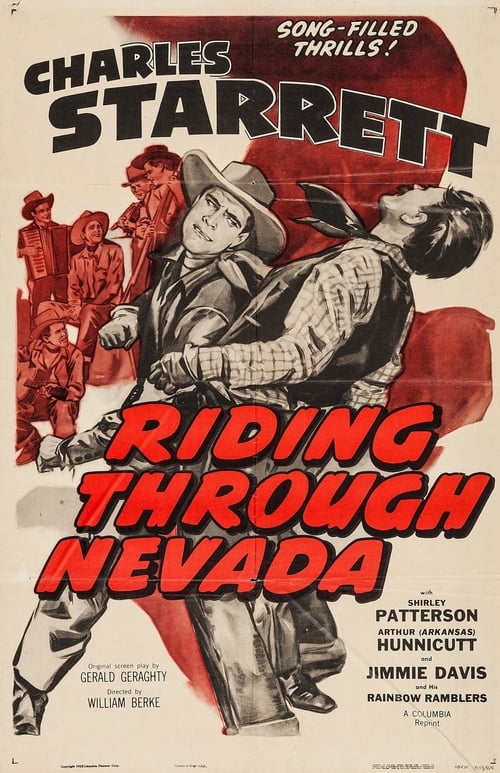
Riding Through Nevada
1942
No user ratings available yet
Representation score: 1.7 out of 10
Representation Score
Minimal
1944
ApprovedDirector
William Berke
Runtime
58 minutes
Average Rating
No ratings yetNew Showbiz Analysis
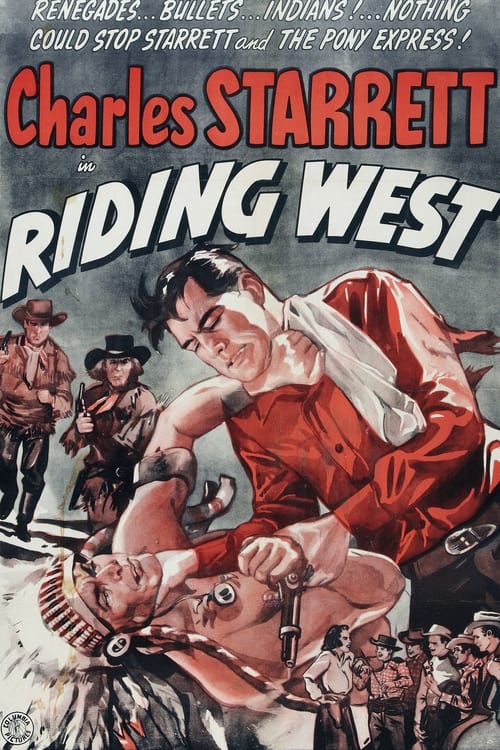
Riding West is a typical 1940s B-movie Western that emphasizes fast-paced action over complex social issues. The narrative structure supports established social and gender hierarchies, highlighting individual heroism and the preservation of institutional progress. As a traditional genre piece, the film adheres to the standard formulas of its time. It fails to offer the multi-layered complexity needed to challenge the status quo. Ultimately, the film upholds traditional masculine leadership and the stability of Western institutions without providing diverse perspectives.
Category Breakdown
The film does not include any LGBTQ+ characters or narratives. It follows the strict censorship rules of the 1940s, avoiding any depictions of non-straight identities.
The male protagonist, Steve Jordan, dominates the story with his actions. Female characters play supporting roles in a plot driven by male conflict.
The film features a predominantly white cast, reflecting the homogeneity of Hollywood casting practices in the mid-1940s. There is little diversity among the characters.
The story focuses on safeguarding the Pony Express, emphasizing the importance of maintaining traditional systems. It highlights the values of progress and order in the American frontier.
The film does not feature any characters with visible or invisible disabilities. The narrative does not explore disability or provide opportunities for characters with disabilities.
Present on Screen
Limited or Absent
Official Synopsis
Charles Starrett stars in the lightning-paced Columbia western Riding West. Somebody is planning to sabotage the new Pony Express mail service, and hard-ridin' Steve Jordan (Charles Starrett) aims to find out who.
1942
1939
1944
1944
1943
1943
1943
1945
No reviews yet. Be the first to share your thoughts on this movie!
Use the rating form above to leave a star rating and optional review.