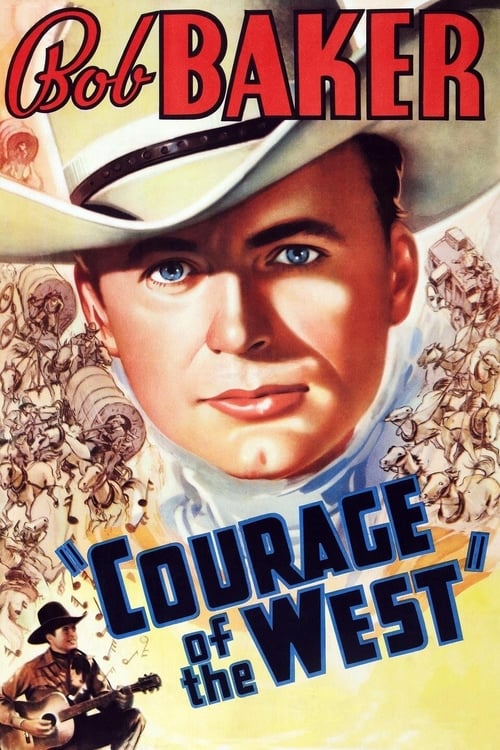
Courage of the West
1937
No user ratings available yet
Representation score: 0.3 out of 10
Representation Score
Minimal
1937
PassedDirector
W.B. Eason, Buck Jones
Runtime
59 minutes
Average Rating
No ratings yetNew Showbiz Analysis
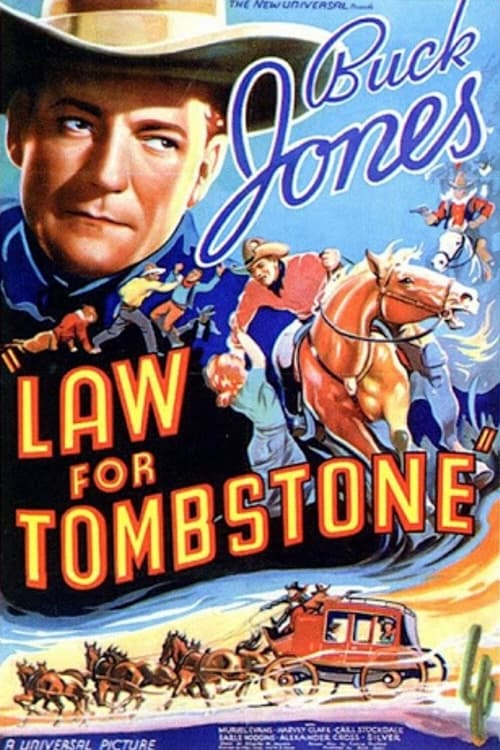
Law for Tombstone is a typical B-Western from the late 1930s that follows the genre conventions of its time. The plot revolves around a stagecoach agent protecting gold shipments, reinforcing traditional social orders and the protection of wealth. The film does not intentionally represent diverse identities. It relies on established archetypes that favor masculine authority and Anglo-Saxon perspectives, reflecting the socio-cultural norms of its era without challenging them. Overall, the film serves as a conventional genre piece emphasizing law and property protection. It does not explore diverse human experiences or challenge existing hierarchies.
Category Breakdown
The film does not include any characters with non-straight sexual orientations or non-cisgender identities. It adheres to the assumption that everyone is straight and cisgender.
The story likely emphasizes masculine leadership and physical strength. Women do not seem to have roles that require strategic or intellectual skills.
The film features Anglo-Saxon main characters typical of the frontier setting. Non-white characters appear to be given minor roles with little influence over the plot.
The story focuses on protecting gold shipments and upholding frontier law. It aligns with traditional Western institutions and does not offer cultural critiques.
There is no evidence of characters with disabilities having significant roles or nuanced narratives.
Present on Screen
Limited or Absent
Official Synopsis
A stagecoach line hires an agent to stop a string of robberies of gold shipments.
1937
1938
1936
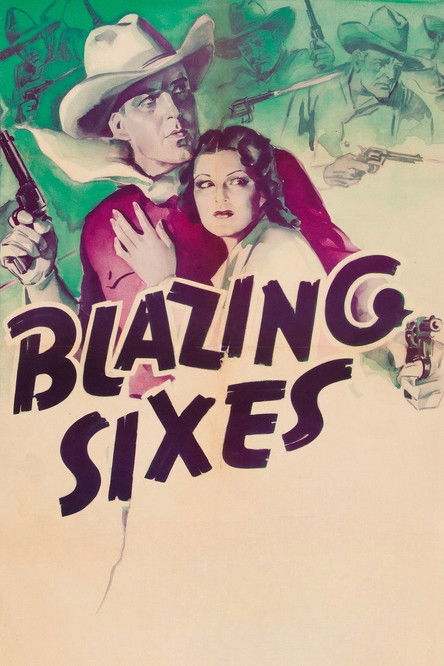
1937
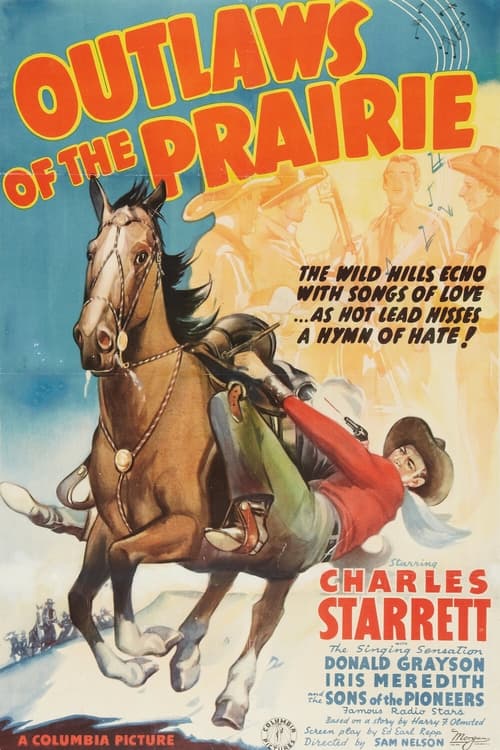
1937
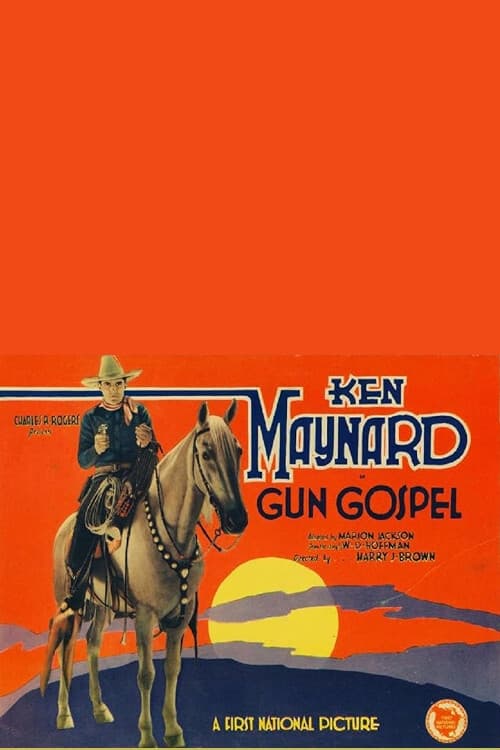
1927
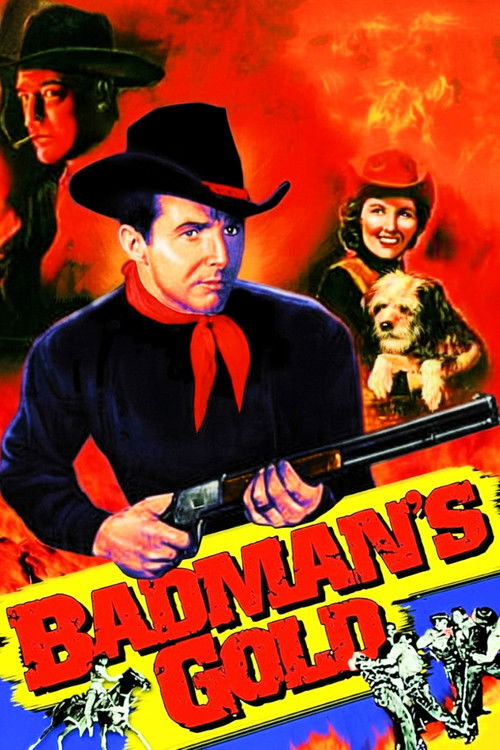
1951
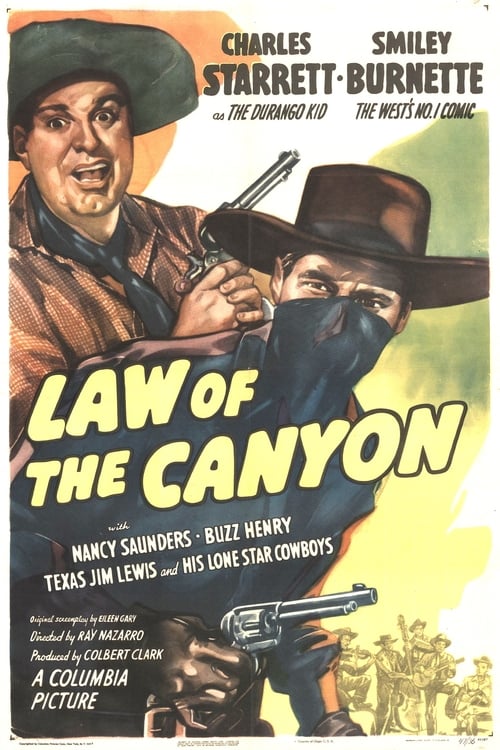
1947
No reviews yet. Be the first to share your thoughts on this movie!
Use the rating form above to leave a star rating and optional review.