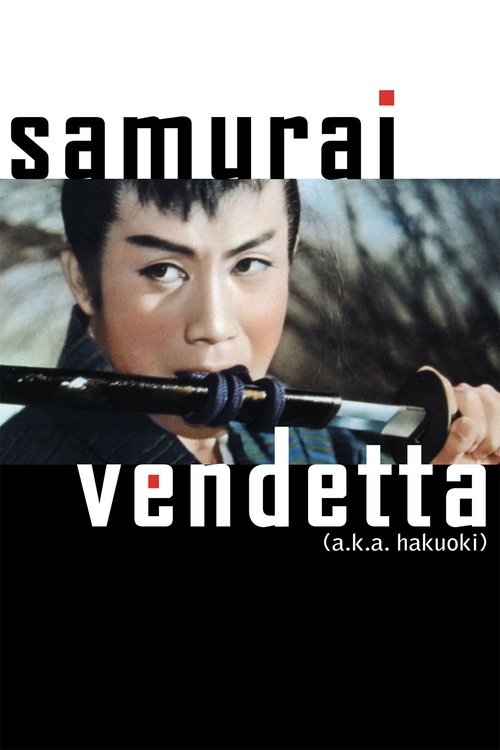
Samurai Vendetta
1959
No user ratings available yet
Representation score: 1.8 out of 10

Representation Score
Limited
1969
Director
Kazuo Ikehiro
Runtime
90 minutes
Average Rating
No ratings yetNew Showbiz Analysis
Broken Swords is a traditional period drama that emphasizes historical authenticity and the social structures of the Edo period. The narrative centers on the tragic friendship between Nakayama Yasubei and Tange Tenzen, highlighting masculine codes of honor. As a product of 1969 Japanese studio cinema, the film reflects the cultural norms of its time. It serves as a character study of loyalty rather than a vehicle for challenging identity or institutional norms. Overall, the film stays within the conventional boundaries of the chanbara genre, focusing on feudal duty and historical fatalism rather than modern characters who reflect more than one aspect of diversity.
Category Breakdown
The film delves into the emotional bonds formed through male friendships and samurai duties, but it does not explicitly depict non-straight or non-cisgender identities or intimate relationships between same-sex partners.
The story mainly revolves around male characters who embody martial prowess and honor. Women are mostly shown in supporting roles within domestic settings.
The cast is predominantly of Japanese ethnicity, reflecting the historical context of the film. It does not include a diverse range of ethnicities to broaden its cultural representation.
The narrative upholds traditional values such as loyalty and respect for family. It views systemic corruption through a historical lens rather than addressing modern critiques of institutional oppression.
There are no characters with visible or invisible disabilities that play key roles or are depicted with specific impairments.
Present on Screen
Limited or Absent
Official Synopsis
The tragic, yet exciting story of the friendship between Nakayama Yasubei, a member of the 47 Ronin, and Tange Tenzen, a relative by marriage of the vile Lord Kira.
1959
1972
1974

1972
1962
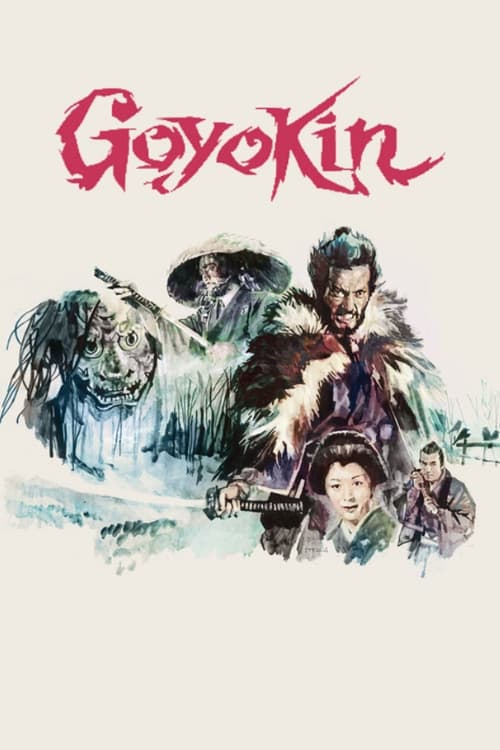
1969
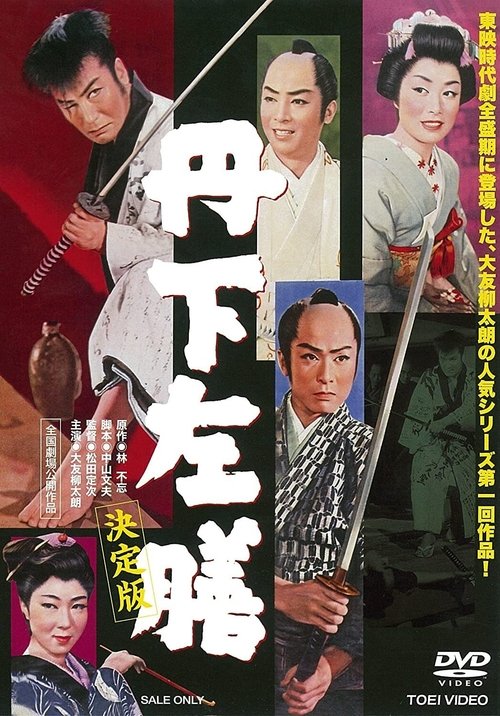
1958
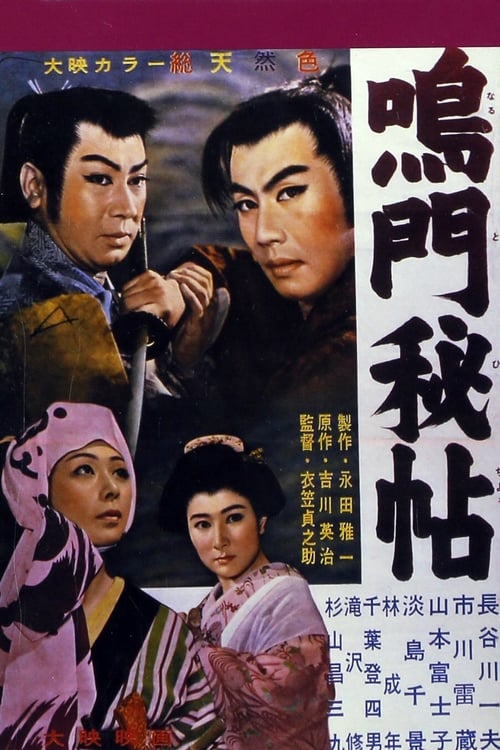
1957
No reviews yet. Be the first to share your thoughts on this movie!
Use the rating form above to leave a star rating and optional review.