Incident in an Alley
1962
No user ratings available yet
Representation score: 1.1 out of 10
Representation Score
Fair
1966
Director
Mikio Naruse
Runtime
102 minutes
Average Rating
No ratings yetNew Showbiz Analysis
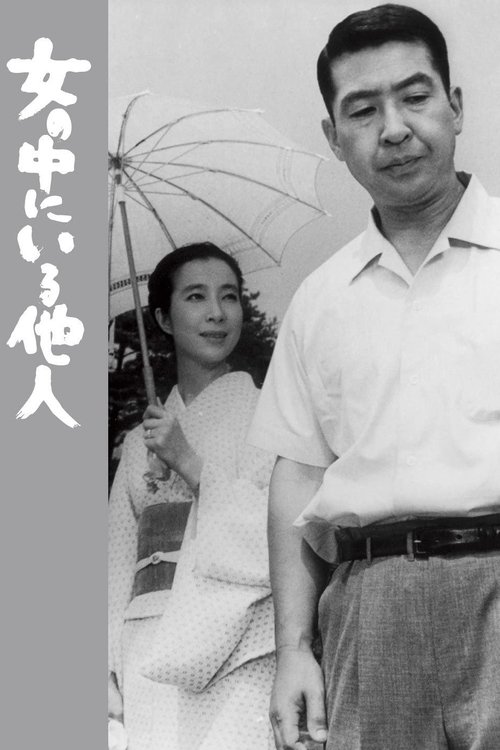
Mikio Naruse’s direction offers a nuanced examination of the psychological fractures within traditional Japanese domestic life. The film delves beyond simple melodrama to explore how internal guilt can isolate individuals from their closest social ties. The work stands out by critiquing the stability of the family unit. Through the protagonist's struggle to convey his inner turmoil to his wife and friend, the film questions the limits of conventional social understanding. However, the film is limited by the cinematic norms of its time, lacking visible LGBTQ+ representation or multi-layered racial diversity. It remains a culturally specific work that prioritizes psychological depth over contemporary identity markers.
Category Breakdown
The film does not include any explicit LGBTQ+ characters or non-straight relationships. It centers on male friendships and a marital relationship.
The film explores the psychological burden of a woman through a focus on her experiences. However, the title suggests a deeper exploration of female experience that is not fully realized.
The film features a culturally homogeneous cast reflecting the specific ethnic context and social norms of its 1966 Japanese setting. It does not impose Western-centric hierarchies.
The story challenges idealized social cohesion by focusing on guilt and the breakdown of trust. It emphasizes psychological individualism and moral relativism over institutional certainty.
There is no indication of characters dealing with physical, sensory, or neurodivergent disabilities in the provided narrative.
Present on Screen
Limited or Absent
Official Synopsis
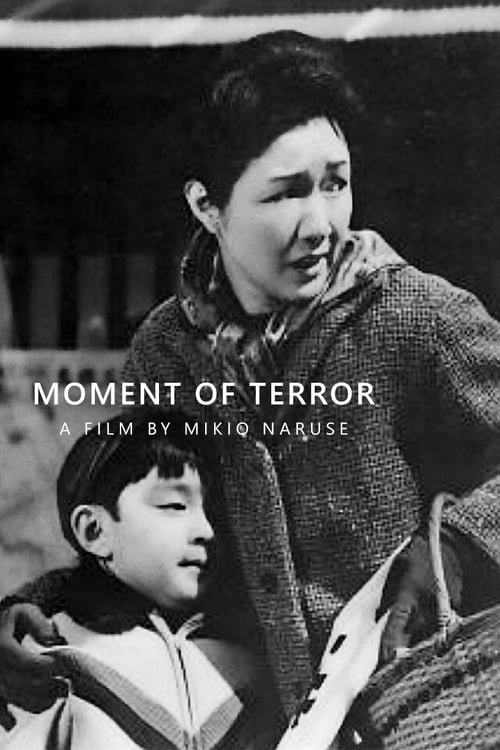
Tashiro coincidentally meets his best friend Sugimoto in a bar very close to the apartment in which Sugimoto’s wayward wife is found dead. Although Tashiro is not a suspect in the police investigation, he is racked with guilt and confesses to his wife, Masako. In an effort to further relieve his tortured sense of guilt, he then confesses to Sugimoto. Neither his wife nor his friend can believe that he could have been involved.
1962

1958
1956

1939
1959

1940
1966

1959
No reviews yet. Be the first to share your thoughts on this movie!
Use the rating form above to leave a star rating and optional review.