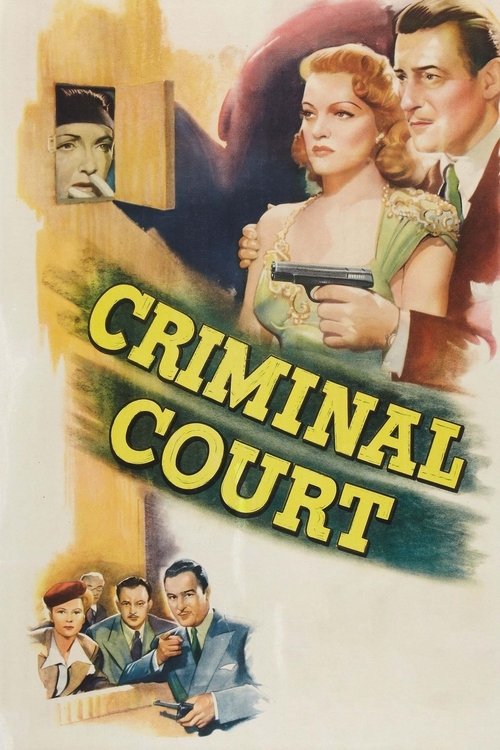
Criminal Court
1946
No user ratings available yet
Representation score: 0.6 out of 10

Representation Score
Fair
1934
ApprovedDirector
Ben Hecht, Charles MacArthur, Lee Garmes
Runtime
70 minutes
Average Rating
No ratings yetNew Showbiz Analysis
Crime Without Passion is a product of its 1930s era, showing a significant lack of diverse representation regarding race and sexual orientation. The narrative structure is largely homogeneous and adheres to the social norms of the time. However, the film avoids simplistic morality common in early studio dramas. By using a ghostly apparition to represent the protagonist's psyche, it explores psychological ambiguity and the deconstruction of a reliable hero. While it fails to meet modern standards for demographic inclusivity, its focus on a flawed, morally compromised lead provides a layer of thematic depth that distinguishes it from more traditional crime stories.
Category Breakdown
The film focuses on a traditional heterosexual relationship and lacks any representation of LGBTQ+ identities or narratives that challenge the assumption that everyone is straight or cisgender.
Female characters play a significant role in driving the emotional stakes, but they primarily serve as catalysts for the male protagonist's actions. The film slightly subverts traditional masculinity by portraying the lead as a morally compromised and caddish individual.
The cast appears predominantly homogeneous, reflecting the era's standard crime drama clichés. Characters of color do not have significant roles within the narrative.
The story embraces moral relativism rather than singular absolutes. By focusing on a flawed lawyer navigating psychological fragmentation, the film explores complex situational ethics and institutional integrity.
Psychological instability and suicidal ideation are present through Carmen Brown. However, these elements function as plot drivers rather than nuanced explorations of mental health or neurodivergence.
Present on Screen
Limited or Absent
Official Synopsis
Caddish lawyer Lee Gentry is going out with Katy Costello, but carrying on an affair with dancer Carmen Brown. When he wants to end the dalliance with Carmen, she is so distraught that she becomes suicidal. Seizing the gun from Carmen, he accidentally shoots her, and thinking she's dead, concocts a series of increasingly outlandish alibis to cover his tracks under the guidance of a ghostly apparition that is his alter ego.
1946

1939
1931
1945
1931
1950
1939
1955
No reviews yet. Be the first to share your thoughts on this movie!
Use the rating form above to leave a star rating and optional review.