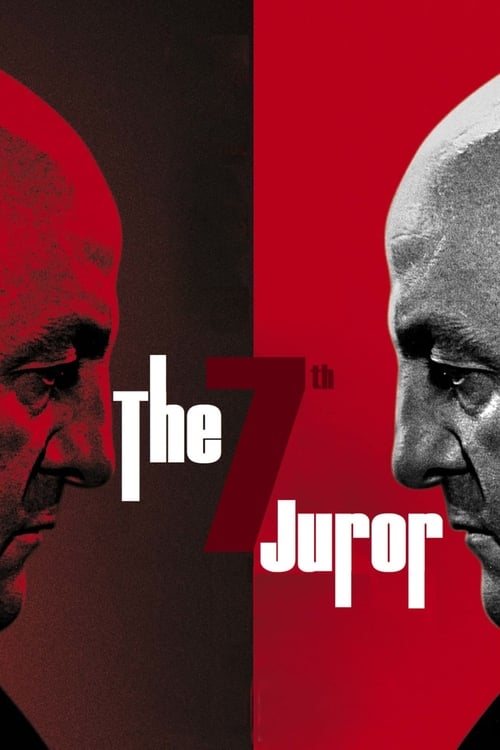
The Seventh Juror
1962
No user ratings available yet
Representation score: 2.0 out of 10
Representation Score
Good
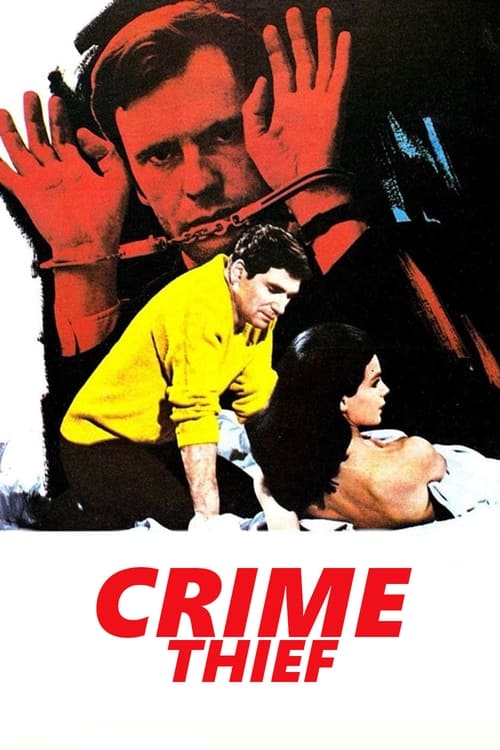
1969
TV-14Director
Nadine Trintignant
Runtime
86 minutes
Average Rating
No ratings yetNew Showbiz Analysis
Crime Thief (1969) operates mainly as an intimate psychological character study. While it lacks overt demographic diversity or explicit identity politics, the film's structure challenges traditional genre expectations by prioritizing subjective psychological states over objective moral frameworks. The film's strength lies in its subversion of the crime genre through a focus on internal instability rather than external action. However, it remains limited by the demographic norms of its era, offering little in the way of racial or LGBTQ+ representation.
Category Breakdown
There is no clear depiction of LGBTQ+ characters or non-straight relationships in the film. The story focuses on the protagonist's psychological issues and guilt.
Nadine Trintignant's direction emphasizes internalized vulnerability over masculine bravado, shifting the focus from traditional male competence to mental instability.
The film adheres to the demographic norms of 1969 French cinema, showing no indication of a diverse cast or racial diversity.
The story explores subjective morality and psychological relativism, prioritizing personal truth and mental fragmentation over objective reality or singular moral absolutes.
The film addresses invisible mental health conditions through the protagonist's distorted perception of reality, focusing on psychological dissociation rather than physical disabilities.
Present on Screen
Limited or Absent
Official Synopsis
A man witnesses a suicide and starts imagining that it was a murder committed by himself.
1962
1939
1989
1964
1948

1958
1961

1970
No reviews yet. Be the first to share your thoughts on this movie!
Use the rating form above to leave a star rating and optional review.