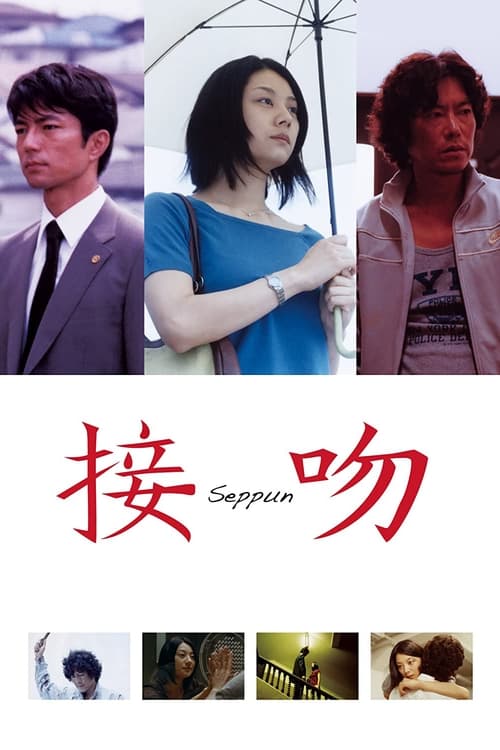
The Kiss
2007
No user ratings available yet
Representation score: 5.2 out of 10
Representation Score
Good
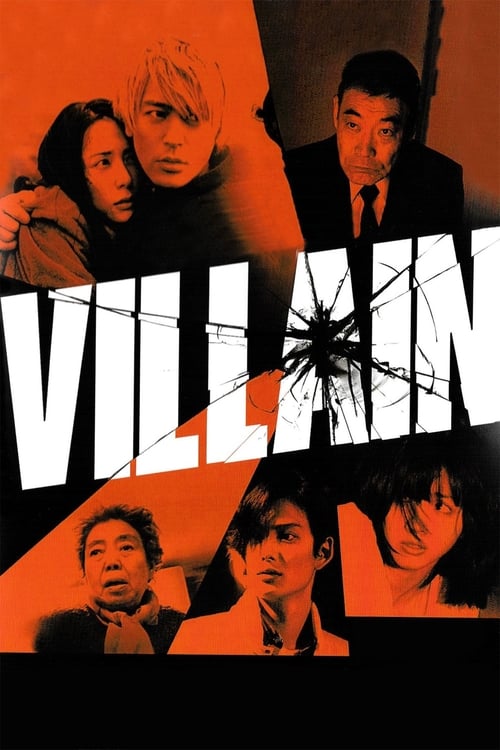
2010
Director
Sang-il Lee
Runtime
139 minutes
Average Rating
No ratings yetNew Showbiz Analysis
The film presents a psychological character study that prioritizes emotional depth over typical crime narratives. By focusing on the 'outsider' perspective, it fosters empathy for characters living on the fringes of morality. However, the film lacks demographic diversity. The narrative is confined to a homogeneous social context, offering limited representation of racial or LGBTQ+ identities. While it challenges traditional masculine archetypes, it remains constrained by its narrow social scope. Ultimately, the film's strength lies in its thematic complexity rather than its diversity of identity. It questions social stability and justice through a deeply localized, singular lens.
Category Breakdown
The story centers around heterosexual relationships and the consequences of failed connections. It does not include explicit LGBTQ+ identities or narratives that question societal norms.
The film challenges traditional masculinity by highlighting the protagonist's emotional vulnerability and social awkwardness. However, female characters often conform to traditional roles of victimization and conflict.
The cast is predominantly Japanese, reflecting a localized urban setting. The narrative focuses on specific socio-economic contexts without incorporating diverse or race-bending casting.
The film explores moral ambiguity by questioning the binary distinction between villains and victims. It examines how social structures marginalize individuals through a nuanced lens.
Shimizu’s extreme social anxiety and difficulty navigating social cues are central to his character. These neurodivergent-like behaviors are portrayed as psychological struggles rather than tools for empowerment.
Present on Screen
Limited or Absent
Official Synopsis
Shimizu Yuichi is a shy and lonely day laborer looking for love. He aimlessly spends time corresponding with girls via telephone dating services and going on random encounters with girls looking for spending cash. His world is shattered one day when he is involved in the murder of one of his former encounters, the sweet-faced Ishibashi Yoshino who, after being jilted by playboy Masuo Keijo, berates and mocks the troubled loner.
2007

2007

1998

2009

1999
1983

1998

2015
No reviews yet. Be the first to share your thoughts on this movie!
Use the rating form above to leave a star rating and optional review.