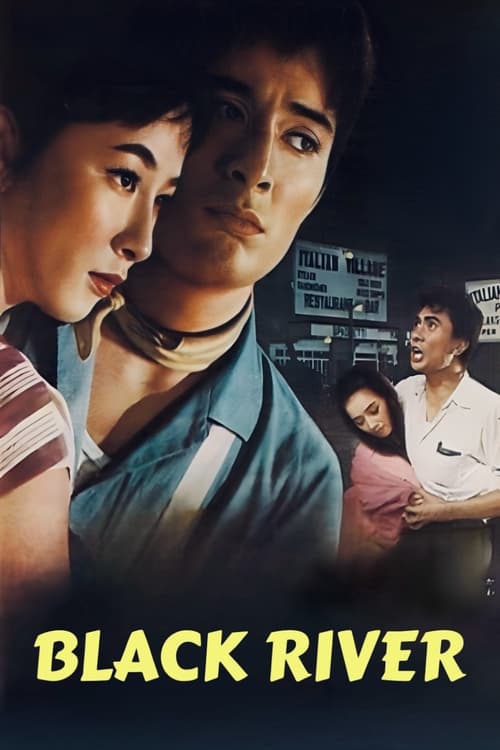
Black River
1957
No user ratings available yet
Representation score: 2.7 out of 10
Representation Score
Fair
1950
Director
Mikio Naruse
Runtime
105 minutes
Average Rating
No ratings yetNew Showbiz Analysis
Mikio Naruse’s film is a deep exploration of post-war realism that dismantles traditional social hierarchies. It shifts the focus from heroic figures to individuals navigating a fragmented socioeconomic landscape. The film's strength lies in its sophisticated critique of systemic structures. By depicting the erosion of moral frameworks as a consequence of economic instability, it challenges the stability of mid-century social institutions. Though it lacks modern representations such as LGBTQ+ or disability inclusion, it excels in its portrayal of gender resilience and cultural authenticity during a period of significant change.
Category Breakdown
The film focuses solely on straight relationships and does not include any queer narratives or non-cisgender identities.
Women play crucial roles in the film, serving as moral anchors and demonstrating resilience. The film avoids clichéd submissive roles, allowing characters like Masako to assert their influence despite challenging circumstances.
The cast primarily features actors from a single cultural background, reflecting the film's Japanese setting. While it lacks modern multicultural blending, it remains true to its specific cultural context.
The film provides a detailed look at the impact of post-war capitalism on family life. It portrays anti-social behaviors as survival tactics driven by systemic economic issues.
There are no significant depictions of physical, sensory, or neurodevelopmental disabilities in the film.
Present on Screen
Limited or Absent
Official Synopsis
University students Sudo and Mori make money by picking up rich girls in dance clubs and conning them into giving them cash. Mori is the brains of the operation, and Sudo is the suave dancer who picks up the girls. Sudo becomes gradually involved with three different girls and is drawn into the gangster milieu, which he seems unable to resist even though he is responsible for his mother, grandmother, and sister Masako. In this world of bad boys and girls, Masako is the pillar of strength and moral virtue who finally enables Mori to straighten out.
1957
1949

1964
1959
1970
1950
1963
1937
No reviews yet. Be the first to share your thoughts on this movie!
Use the rating form above to leave a star rating and optional review.