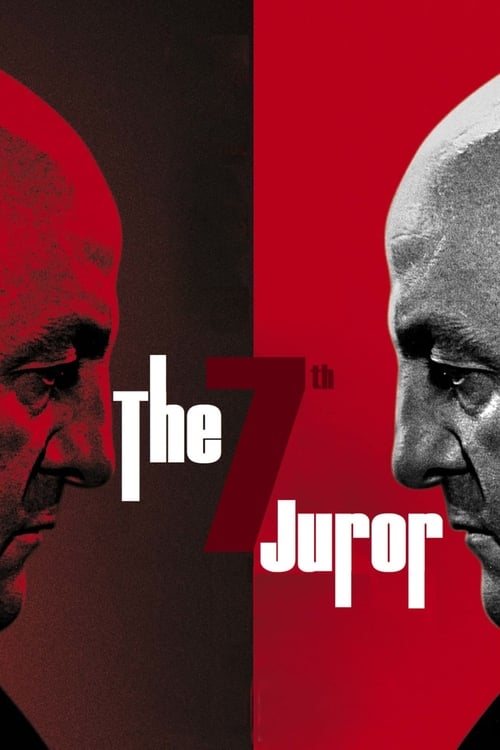
The Seventh Juror
1962
No user ratings available yet
Diversity score: 2.8 out of 10
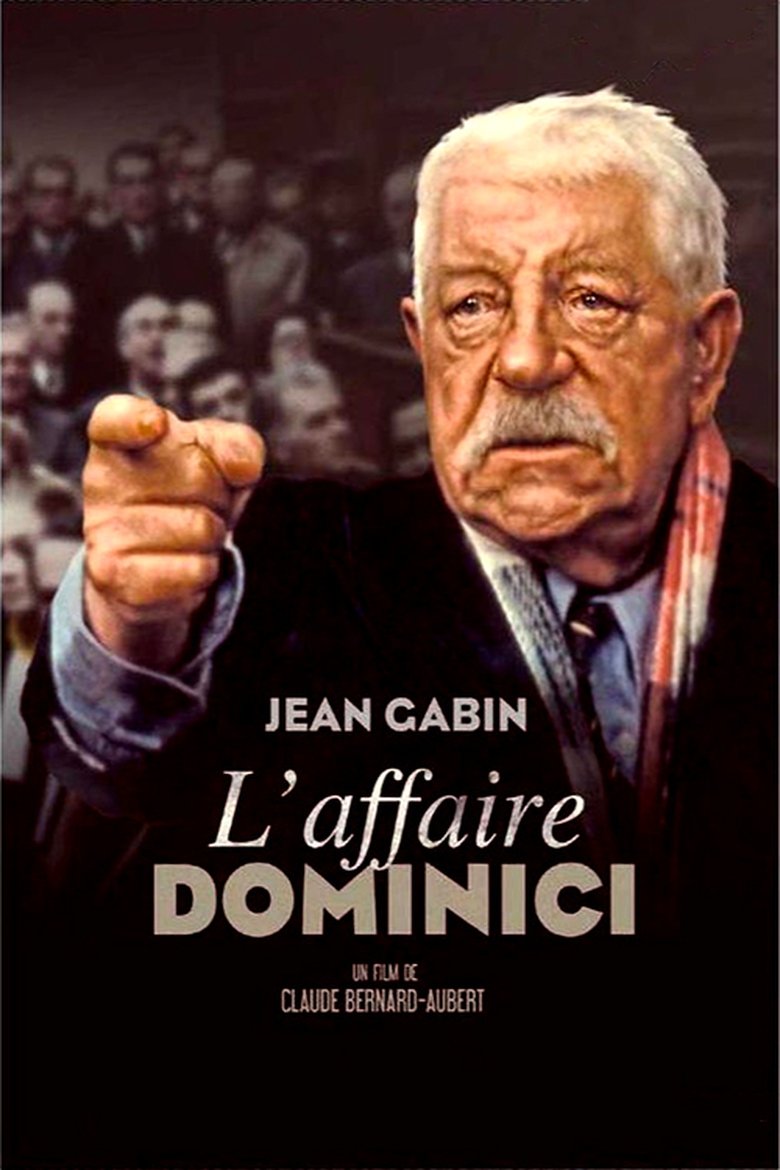
1973
Director
Claude Bernard-Aubert
Runtime
105 minutes
Average Rating
No ratings yetSynopsis
In August 1952, a family of British tourists is found by the roadside in Haute Provence, brutally murdered. In the ensuing, very public, investigation a local landowner, 75 year old Gaston Dominici, is arrested for the murders, having been denounced by his sons. Under police interrogation, Dominici confesses to have killed the family and it looks certain that he will be charged, tried and sentenced to death. But then the case begins to collapse. The old man retracts his confession and the lack of evidence against him becomes apparent…
Overall Score
Limited
Category Breakdown
LGBTQ+ Representation
The film lacks any depiction of non-cisnormative identities or same-sex intimacy. The narrative focuses exclusively on the patriarchal family unit and the legal investigation.
Gender Representation
The story centers on a traditional patriarchal structure driven by male characters. Women occupy domestic roles within the rural hierarchy, offering little subversion of gender dynamics.
Racial & Ethnic Diversity
The cast is ethnically homogeneous, reflecting the 1950s Haute Provence setting. It presents a white, European landscape consistent with the historical and geographic context.
Religious & Cultural Diversity
The film provides a sophisticated critique of state authority and judicial truth. It explores the friction between insular rural communities and intrusive, systemic legal structures.
Disability Representation
There is no significant evidence regarding the portrayal of physical or neurodivergent disabilities in this work.
Strengths
Areas for Improvement
AI Analysis
The film is a period-specific crime drama that prioritizes historical realism and psychological tension over modern identity-based representation. It functions as a study of social friction rather than a vehicle for demographic diversity. While the film scores low on demographic metrics like race, gender, and LGBTQ+ representation, it finds depth in its cultural themes. The narrative effectively deconstructs the concept of absolute truth through the lens of a collapsing legal case. Ultimately, the work focuses on the tension between institutional power and local autonomy, making it a character study of a traditionalist society rather than a diverse ensemble piece.
1962
1946

1951
1950
1978
1950
1962
1986
1951
1958
1999

1966
No reviews yet. Be the first to share your thoughts on this movie!
Use the rating form above to leave a star rating and optional review.